Published : 29 Nov 2026, 02:09 PM
Updated : 29 Nov 2026, 02:09 PM


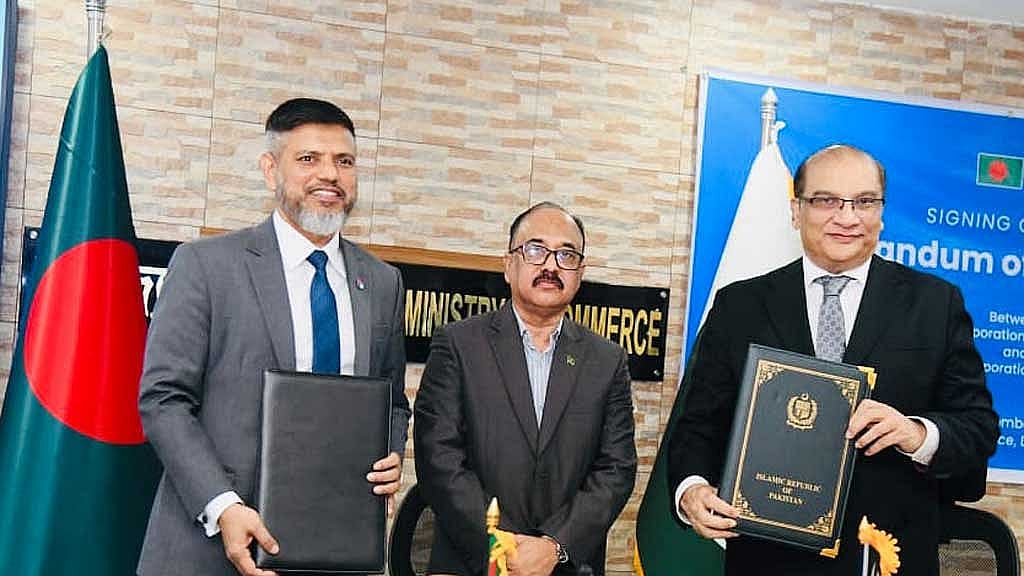
The Trading Corporation of Bangladesh (TCB) has signed a five-year memorandum of understanding (MoU) with the Trading Corporation of Pakistan (TCP) to “strengthen” the import, export and supply of essential commodities.
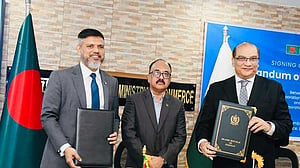
The MoU was signed at the conference room of the Ministry of Commerce at the Secretariat on Sunday, according to a press statement issued by the ministry.
TCB Chairman Brigadier General Mohammad Faisal Azad signed the agreement on behalf of Bangladesh, while Pakistan’s High Commissioner to Dhaka Imran Haider signed it on behalf of Pakistan.
According to the Ministry of Commerce, the initiative aims to create new opportunities for government-to-government (G2G) trade cooperation, ensure food security and diversify alternative sources of imports.
Under the agreement, the two countries will be able to import and export various essential commodities, agricultural products and agricultural inputs, including rice, wheat, sugar, edible oil and lentils, based on their respective needs and mutual consent.
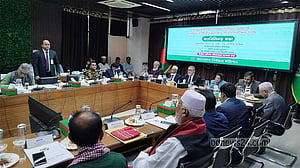
Commerce Secretary Sharif Uddin Ahmed Chowdhury and officials concerned from both countries were present at the signing ceremony.
Since the fall of the Awami League government following the July 2024 uprising, several initiatives have been taken to improve Bangladesh’s diplomatic and trade relations with Pakistan.
Previously, all consignments of goods imported from Pakistan were subject to 100 percent physical inspection. The National Board of Revenue (NBR) had placed these goods on the "Red Lane" list under the ASYCUDA World system.
However, about one and a half months after the interim government took office, it exempted all goods arriving from Pakistan from the list.
An NBR directive said all types of goods imported from Pakistan had been released from the Red Lane after passing the National Selectivity Criteria assessment.
As a result, the mandatory physical inspection of every consignment imported from Pakistan by officials at the assistant commissioner or deputy commissioner level before clearance was withdrawn.
Since then, discussions on importing goods from Pakistan at the government level have gained momentum. In particular, the two countries had been discussing the import of rice.
Pakistan’s refusal to formally apologise for the killings and atrocities committed during the 1971 Liberation War has long been a source of tension in relations between the two countries. Direct trade relations between them also remained limited for more than five decades after Bangladesh gained independence.
Against this backdrop, the new agreement establishes an institutional framework for trade cooperation between state-owned organisations in the two countries.