Published : 22 Nov 2026, 12:49 AM
Updated : 22 Nov 2026, 12:49 AM


Since taking office, the BNP government has repeatedly found itself answering for controversial remarks by ministers, state ministers and lawmakers. Two officials have resigned over their conduct, but the party’s response to the wider pattern of contentious comments remains uncertain.
Some BNP leaders have criticised colleagues, including on social media. Two ministers say the cabinet has not discussed the issue in the past three months.
Officials at the Prime Minister’s Office (PMO) say Tarique Rahman privately cautions those whose remarks cause controversy, prompting some ministers to speak less.
Political analyst Mushtuq Husain told bdnews24.com, “If someone lets something slip and corrects it immediately, the damage is reduced. This has happened before.
“Now, some have corrected their remarks, while others have not. The less people say something indiscreet, the more confidence people have in them. People appreciate it when someone corrects themselves.”
From Shaikh Rabiul to Shahe Alam
The first controversy came on Feb 19, when Road Transport and Bridges Minister Shaikh Rabiul Alam described transport-sector collections as money raised “through mutual understanding”, rather than extortion.
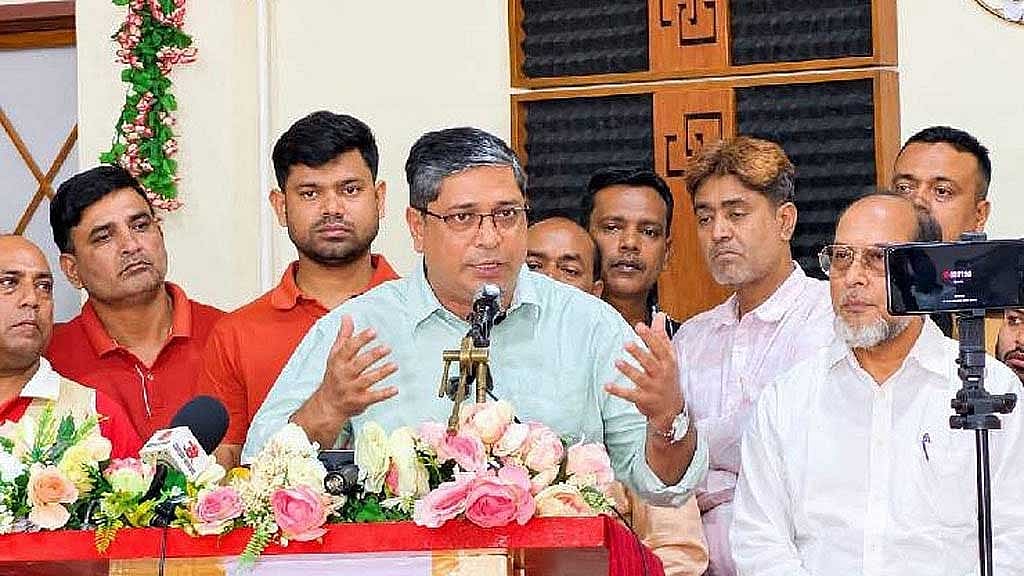
The latest involves State Minister for Local Government Mir Shahe Alam, criticised for remarks on gifts to engineers.
Lawmaker and Parliamentary Whip GK Gouse has also drawn criticism. Health Minister Sardar Sakhawat Husain Bakul, Home Minister Salahuddin Ahmed and Education Minister ANM Ehsanul Hoque Milon have faced protests over their comments.
Shahe Alam first attracted attention when two new unions in Bogura’s Mokamtala were given names resembling those of his sons. The names were changed on Tarique’s instructions.
At a Nov 10 training event for assistant engineers, Shahe Alam said: “If a contractor, out of happiness, gives an engineer a gift from his profit, that does not fall under bribery. You can accept it.”
Transparency International Bangladesh Executive Director Iftekharuzzaman asked, “By saying that gifts can be accepted for work, is the state minister legitimising bribery and, indirectly, encouraging people to take bribes?”
TIB blamed a senior secretary, saying the minister had spoken on the official’s advice. The ministry said Shahe Alam apologised the next day and “withdrawn those informal remarks”. It denied any government official’s involvement. The minister alleged counter-propaganda.

Former state minister for Liberation War affairs Ishraque Hossain, who recently resigned, wrote on Facebook: “If you listen to the full statement of State Minister for Local Government Shahe Alam, you would understand that he was 95 percent right.
“His remarks on the quality of construction work funded by taxpayers’ money were correct. He made only a 5 percent mistake. Whether we call it a gift or by any other name, the transaction of bribes is completely illegal and unethical.”
At the same event, Shahe Alam said: “I personally do not like both husband and wife working. Why do I not like it? What happens is that it affects the children.”
At a party event in Bogura on Oct 22, he said: “Bots and infiltrators are not only among [Jamaat-e-Islami] and Awami League, they are also among us (the BNP).”
At Chattogram on Sept 24, he promised: “I promise that all leaders and activists who stood by the BNP during its difficult times will be recognised, God willing.
“You will get jobs, you will get dealerships legally, you will get opportunities to work legally, you will get government contracts legally. Within the law and rules, all party members who were persecuted will be recognised in phases.”
Jamaat Secretary General Mia Golam Porwar accused him of promising dealerships to BNP loyalists, saying ministers were ignoring policy and that it was now “BNP first”, not “Bangladesh first”.
Shahe Alam did not respond to requests for comment.
A Whip’s Warning, and Other Flashpoints
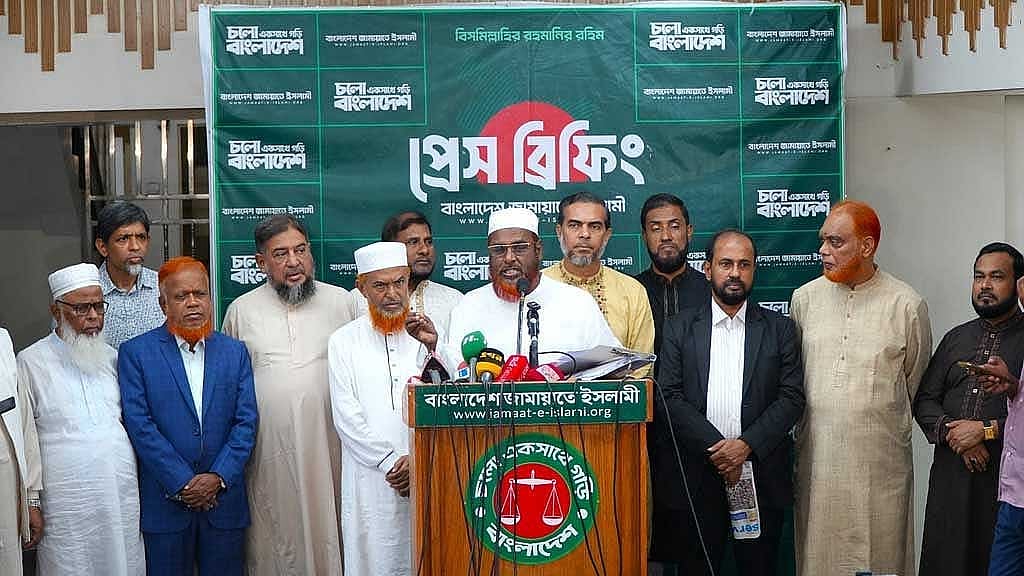
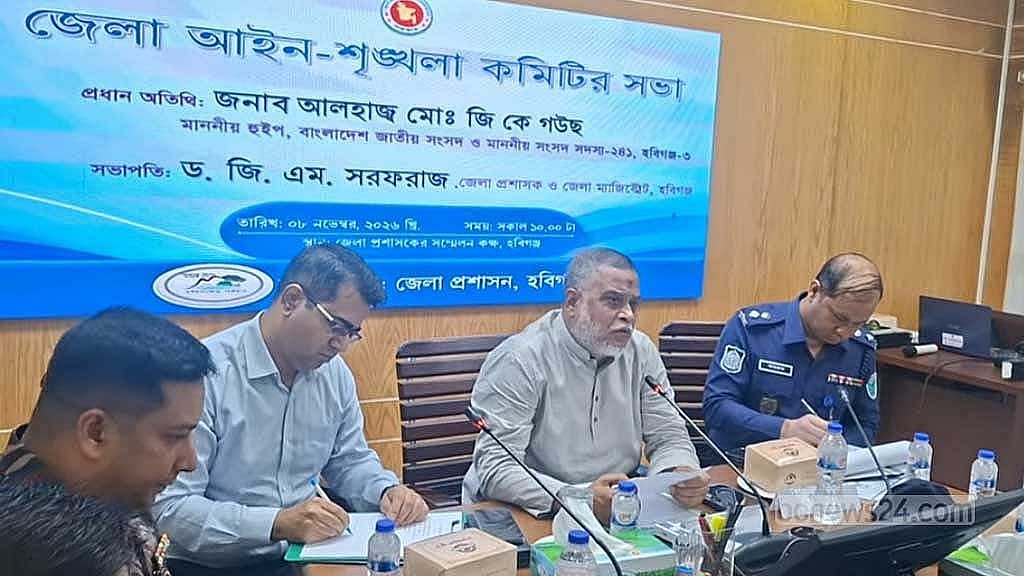
On Nov 8, Gouse, MP for Habiganj-3, urged officials not to permit rural music gatherings. He said: “The people of our area do not like rural music. I would totally request that, if possible, this be stopped across the district, or at least in the area whose 425,000 voters elected me. I do not want to hear any rural music events, this or that, during urs or on other occasions.”
The remarks drew criticism on Facebook. One user wrote: “Such a statement is unexpected from an elected representative.”
Another asked: “If someone does not like it, they would not organise it, so who organises these events? If even one person likes it, who are you to stop it?”
Police shut down a Baul gathering in Shayestaganj the following night. Gouse told bdnews24.com: “I say the same thing now as I said before: I requested that law-enforcing agencies not allow anything obscene, socially harmful, involving drugs, gambling or obscenity.
“I cannot issue instructions. Since I have been mayor three times, I spoke in accordance with laws, rules and regulations. I do not have the authority to give you a direct order.”
He urged vigilance at religious gatherings, too. “A couple of journalists wrote that I had called for banning Baul music. I did not even use the word Baul.
“I said that in village markets, people sometimes organise open-air music events that create unrest and sometimes lead to clashes. I requested that the administration not grant permission for these.”
Rabiul’s February remarks drew criticism, but he did not clarify his position.
Health Minister Sakhawat faced criticism in June after saying he was being followed with “crores and crores of taka” (tens of millions of taka) to restore Ad-din Medical College Hospital’s licence, revoked after six newborns died there.
In March, he said Rajshahi Medical College Hospital’s director “should be hanged” after children died of measles and the director cited a lack of ventilators.
Education Minister Milon called students struggling in July rain during HSC exams “farm chickens”. Students demanded his resignation; he later apologised in parliament.
A BNP leader said well-wishers advised him to “speak less”, after which he curtailed public comments.
In June, Home Minister Salahuddin told parliament he had reached a “compromise” over the July Charter for electoral reasons, to prevent the interim government from extending its tenure.
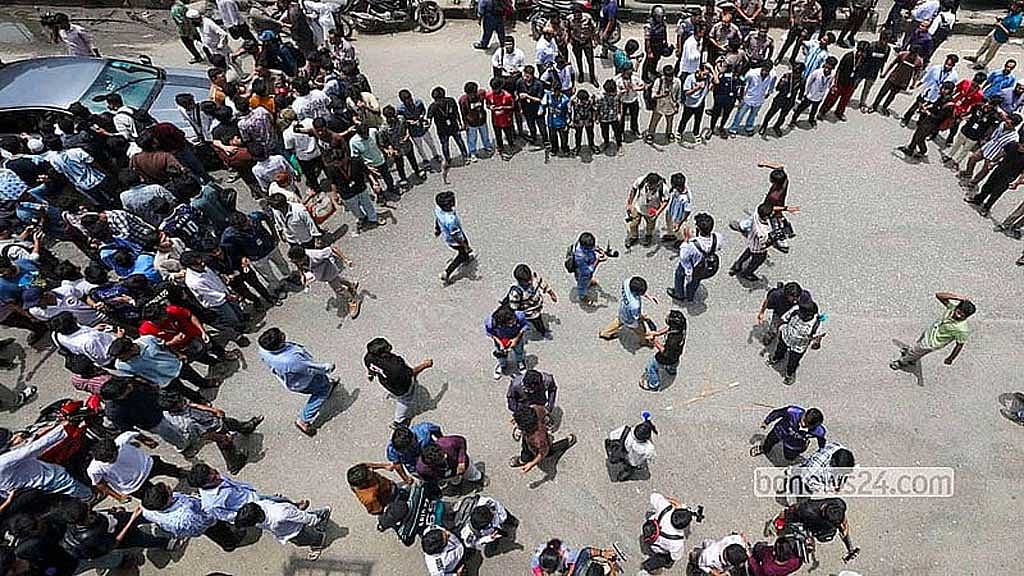
Jamaat and the National Citizen Party protested. A prime ministerial advisor called the remarks a “blunder”, while a BNP committee member said they had weakened the government.
Salahuddin did not respond to bdnews24.com’s request for comment.
What Are the Government and BNP Doing?
No party or government action has been confirmed over the remarks. At least three BNP Central Committee members say Tarique is “annoyed but has taken no punitive action”.
Two ministers say the cabinet has not discussed the issue in three months.
Assistant to the Prime Minister (Political) Md Rashed Khan told bdnews24.com, “When a statement comes from a position of responsibility, it has both a political and an administrative dimension.

“If administrative statements are actually wrong, it is better to correct them as quickly as possible. Those whose mistakes have been noticed have already corrected their statements themselves.”
He said misleading remarks should be corrected. “Those who make mistakes often realise them and admit them themselves. At the same time, the prime minister, as the chief executive of the state, is continually taking whatever measures or steps are necessary. It is not that he is taking no action.”
Tarique ordered Ishraque to resign as state minister after he appeared with a firearm during an anti-drug operation in Dhaka’s Gendaria.
BNP lawmaker Ferdousy Ahmed Misty also resigned after an attack, looting, vandalism and an attempted occupation at the Radda MCH-FP Centre in Mirpur.
A prime ministerial advisor told bdnews24.com, “State Minister Shahe Alam is not someone who says sorry immediately. The way he apologised after his remarks on bribery is a signal.”
The advisor saw no prospect of a reshuffle. He said the inspector general of police faced no action after withdrawing controversial “crossfire” remarks.
“Even when they make indiscreet comments, the people concerned are retreating, disowning them; that is one thing. And the prime minister does not like these things.”
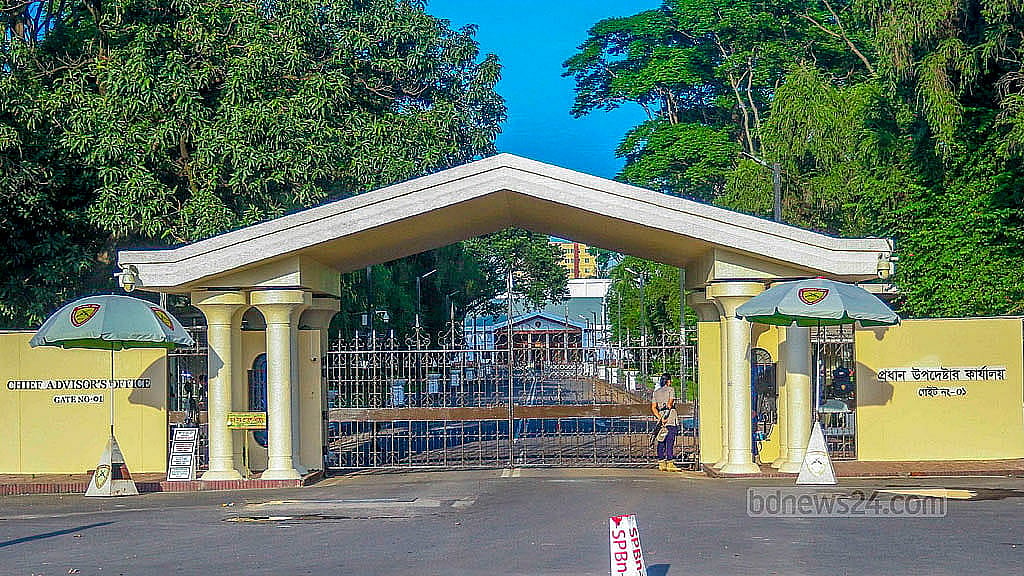
Two BNP Standing Committee members said the remarks did not amount to a “violation of the Constitution or the commission of a crime”, explaining the lack of visible action.
A BNP Central Committee member said, “The prime minister has been speaking for a long time, sometimes for an hour at a stretch, and not a single word or line has been indiscreet.
“So how does it happen to others? It has a negative impact on the party.”
Former home minister and BNP vice-chairman Altaf Hossain Chowdhury said, “The government is a huge thing. To run such a large government, around 30 to 40 ministers, more or less, are needed. The person who speaks, speaks from his own position.”
BNP Standing Committee Member Selima Rahman said: “This is a democratic process. Sometimes people say all sorts of things, don’t they? To be honest, there is nothing to comment on.”