Published : 13 Nov 2026, 08:25 PM
Updated : 13 Nov 2026, 08:28 PM


It is 2011, and I buy a copy of “Light” by M John Harrison from a used bookstore. I’ve heard of Harrison. A 2007 post from his blog sometimes pops up in science fiction circles, sparking outbursts of internecine debate.
Reading the book gives me vertigo. I reach for familiar footholds, like plot and character, but they give out from under me. There’s no solid ground.
I cling to the writing. The words themselves, arranged in unusual patterns, set fire to my brain at unexpected intervals. I usually devour books. This one I have to put down, just to let my head cool. Difficult? Yes. Frustrating? Absolutely. Enthralling? Undoubtedly.
I finish the book feeling disoriented. Over the next few years, my taste in science fiction edges towards the weird. When someone asks me what book is underrated, I say “Light”. When they ask me whether they should read it, I say: “Uhh…”
It is 2014, and I find a copy of “Viriconium” by M John Harrison at a used bookstore. Three novels and several short stories bound together by a cover I don’t much like that is slowly peeling off the pages. I expect it will fall apart soon. I buy it immediately.
It’s rough going. The pages are dense with searing, hallucinatory imagery, but the way is rocky. Muscles stretch uncomfortably to accommodate.
“I have too much work right now, I’ll just set it aside for a second,” I think. I don’t pick it up again.
It is 2024, and I am reading books again. Back to science fiction. I read “Downward to the Earth”. I read “The Stars My Destination”. I read “Roadside Picnic”.
I add podcasts to my podcast app so I can listen to people talk about reading books. I watch YouTube videos so I can listen to people talk about reading books. Sean McTiernan of the SFUltra podcast is doing a series on M John Harrison. He calls it “Explanatory Collapse”. I find this very funny. McTiernan says “Climbers” by M John Harrison is a great book. I read it.
“Climbers” is a book about people who go rock climbing for fun. It is funny, gritty, and really quite sad. At times, it is one of the most beautiful things I have ever read.
I read more M John Harrison. I finish “Viriconium” and still don’t like it. I adore his short stories. On a flight, I read his memoir “Wish I Was Here” and am so inspired I write feverishly on the boarding card. I comment on a Wheel of Genre video about his story “Egnaro”. I comment on a SF Words of Wonder video about “Light”.
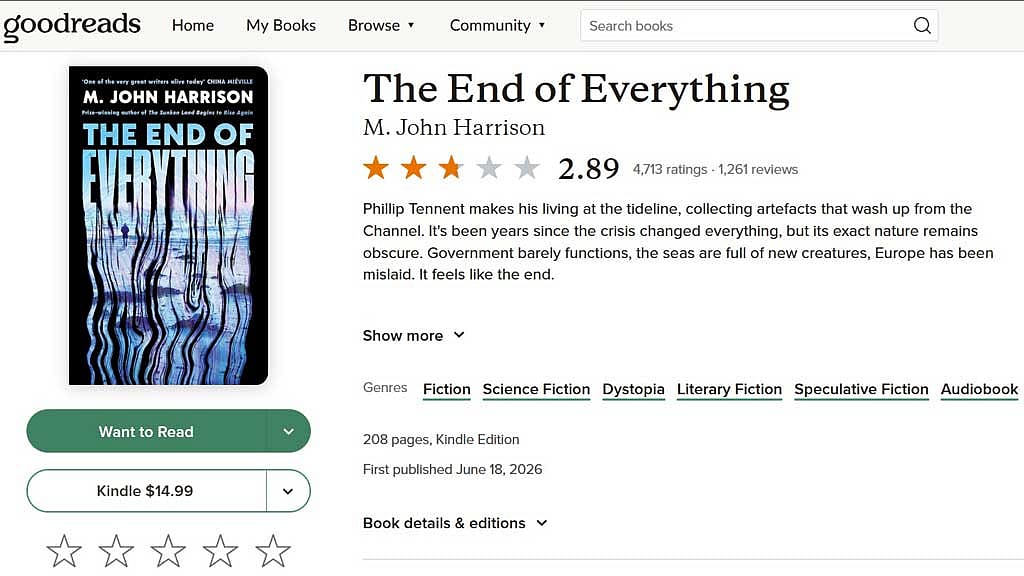
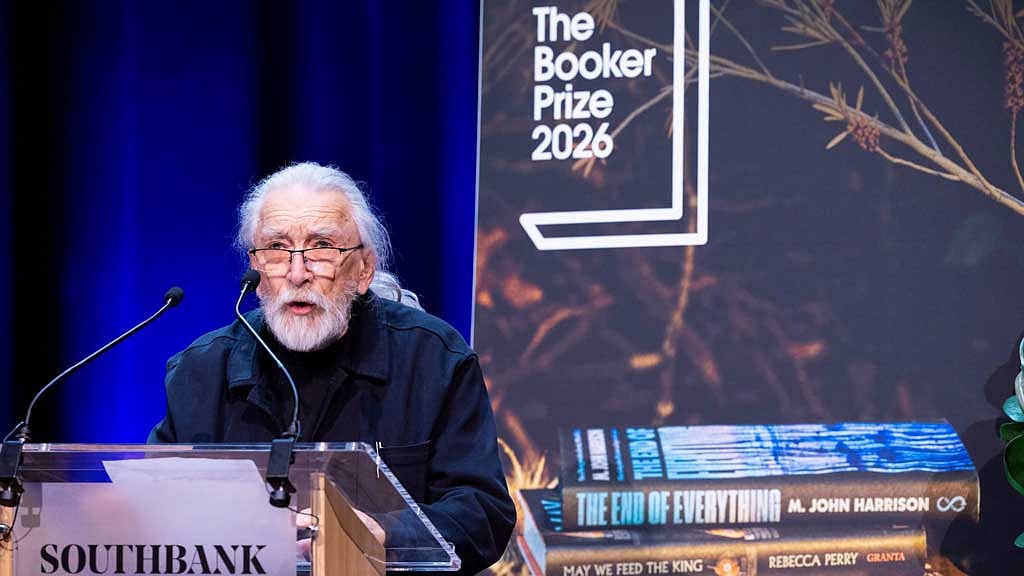
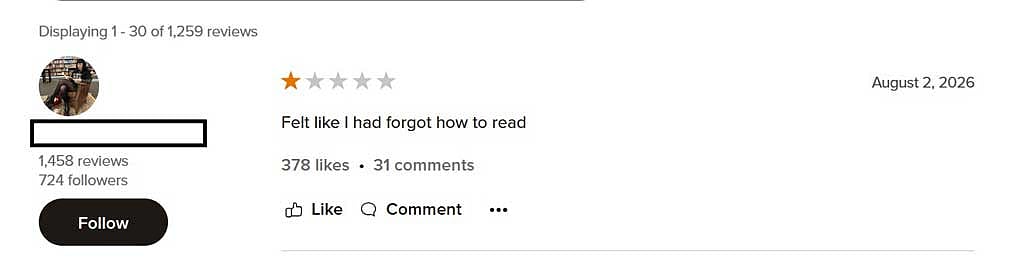
It is 2026, and who in the world longlisted M John Harrison for The Booker Prize? It is the most I’ve ever cared about The Booker. The BookTube people don’t like the book at all. It’s shortlisted. I watch more people be baffled by the book.
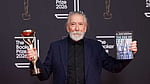
M John Harrison wins The Booker Prize for “The End of Everything”. I read the news and cackle. Then I open up YouTube to see the reactions.
The Booker Situation
While I certainly enjoyed watching people be puzzled by the win, the reaction from followers of the Booker Prize was easy to see coming.
The social media resurgence of reading - through BookTok, BookStagram, BookTube, and GoodReads - has broadened book discourse.
There are more discussions of popular works than ever before. Conversations on fantasy, romance, horror, and thrillers are available everywhere. Finding communities of shared reading interests is almost trivially easy for those with the time and the internet connection.
The doors of the ivory tower have crept open.
In this new era, people still like awards. We like praising things that had an impact on us. We like looking at lists of the best, the greatest, the topmost of all time. And we like it when our tastes are validated.
People like following along with an award season as a community, having a ready topic of discussion for the content mill, and finding books that people want to hear about.
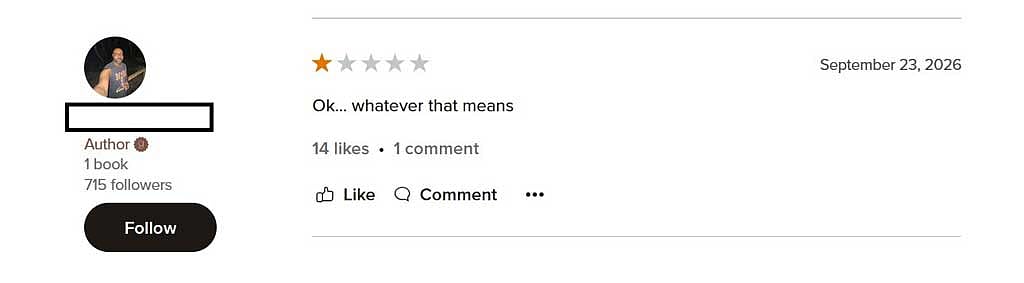
But, as with “The End of Everything”, a win can throw a sharp spotlight on the differences in taste between a panel of writers and critics, and the award audience.
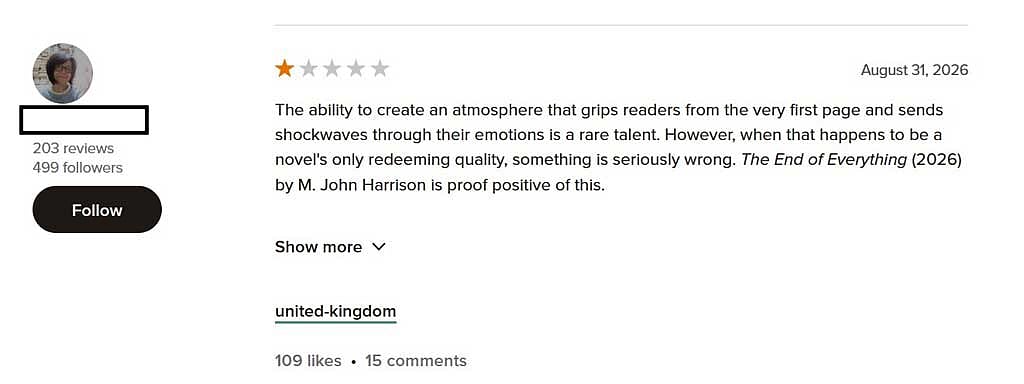
Those who follow the Booker are readers who have some affection for literary fiction. They can’t be expected to know or like New Wave sci-fi, Weird Fiction, or the more experimental strains of recent UK fiction.
Those are the tones Harrison is playing in.
“The End of Everything” is not for everyone. Like many of the writer’s works, it’s odd and confusing. The plot can get away from you, as can the characters. Clarity is not high on the list of priorities.
What you can enjoy is the texture. As Sean McTiernan says, Harrison is A Serious Writer. That doesn’t mean everything he writes about is grave or profound. It means he takes the craft seriously. The work of putting actual words together. He’s toiled away at it for close to five decades. The results are surprising. At times it is blisteringly precise. At others, it is confoundingly obtuse.
Following that language to confront the themes, ideas, and sense memories of the book is the delight of reading Harrison.
I sometimes think of Harrison’s books as problems. Not in the sense of a puzzle or a code, but in the sense of mountaineering - a route you complete by putting your muscles to work. You engage them, wrestle against them, and see how you feel when you make it to the other side. To some of us, the exercise is exhilarating.
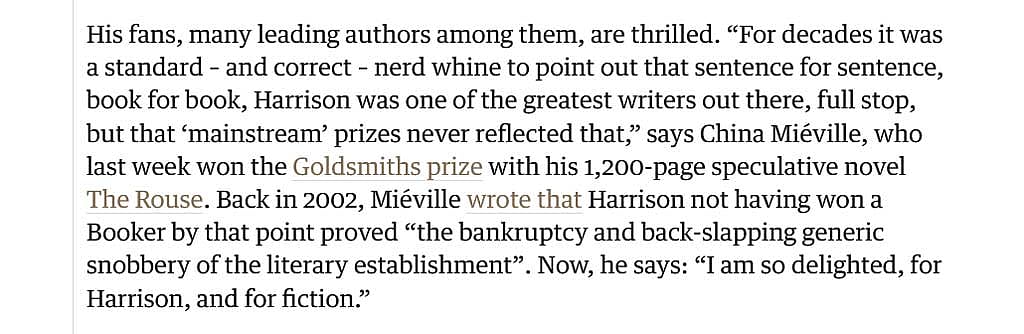
I was glad to see some of those people celebrating the win:
But, perhaps, most of all I was glad to hear Harrison is going to use the award money as an excuse to propagate his idiosyncratic species of fiction.
Now, if a publisher would be so accommodating, I’d really like a new printing of “The Ice Monkey”. That damned short story collection has been out of print for ages.
[Shoumik Hassin is a news editor at bdnews24.com]