Published : 12 Jun 2023, 05:17 AM
Updated : 12 Jun 2023, 05:17 AM


The urgent need for environmentally friendly electricity production has sparked an interest in alternative energy sources. With the help of analytical data, let’s delve further into the area of alternative electricity generation techniques by investigating the advancements and potential of solar power, wind power, hydropower, geothermal energy, and biomass energy and their dependability and transformative impact on our energy landscape.
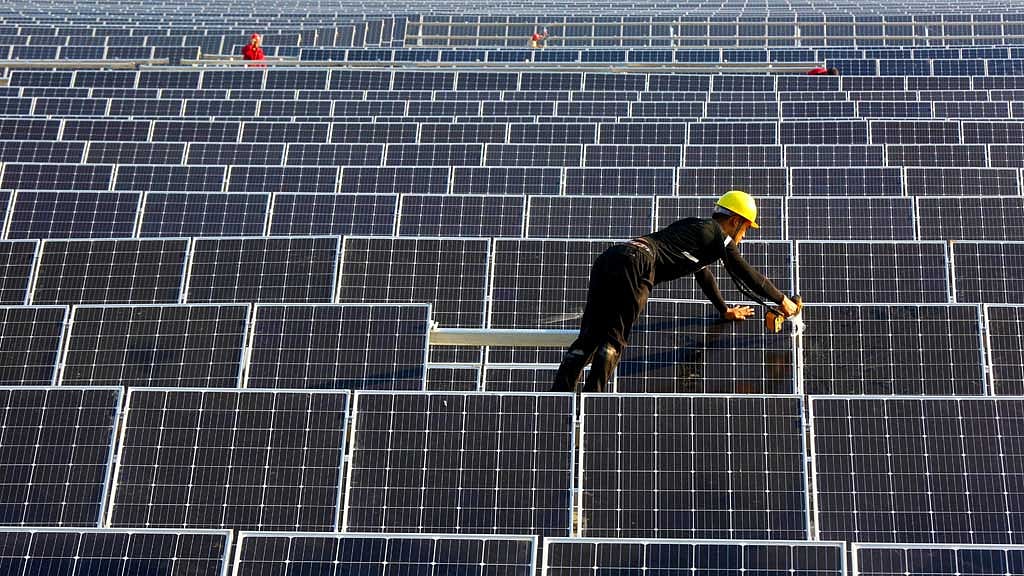
In the battle for renewable energy, solar power has become a front-runner. Solar panels are now significantly more efficient and affordable, allowing widespread adoption. According to an analysis by the International Energy Agency, solar power capacity has grown at an average annual rate of 30 percent over the past decade. This information shows how reliable solar energy is and how much it can contribute to meeting our needs for electricity.
The generation of electricity through wind energy is a promising option. Efficiency and power output have increased dramatically due to technological advancements in wind turbine design. The Global Wind Energy Council points out that wind power capacity has tripled over the past 10 years in terms of analysis. Such rapid development demonstrates wind power’s viability as a substitute for conventional electricity generation techniques.
Hydropower is an established and reliable renewable energy source. It is crucial for baseload power generation because it can supply predictable and controllable energy. The International Hydropower Association’s analytical data shows that hydropower currently makes up about 16 percent of the world’s electricity production. The dependability and potential of hydropower in sustainable supply of our energy needs are highlighted by this statistical evidence.
The production of electricity can be greatly improved by investigating the untapped geothermal energy reserves. Geothermal power plants can produce safe, dependable energy by drawing heat from the Earth’s interior. Geothermal energy’s potential and dependability are demonstrated by analytical examples like Iceland and Costa Rica, where more than 25 percent of the nation’s electricity is produced from geothermal sources.
Utilising organic materials to produce electricity, or biomass energy, presents a workable solution. Biomass power plants produce dependable electricity while reducing waste and emissions through combustion or biochemical processes. According to the International Renewable Energy Agency, biomass accounts for about 10 percent of global renewable energy consumption. This analytical evidence reinforces the dependability and viability of biomass energy as a sustainable method of producing electricity.
Analysing alternative electricity generation methods allows us to better understand their potential to transform the energy landscape. Solar power, wind power, hydropower, geothermal energy, and biomass energy all provide dependable and constructive solutions for sustainably meeting our growing electricity demands.
Analytical evidence from reputable institutions and organisations supports the development and contributions of these alternative approaches, which have grown significantly. It can quicken the transition to a cleaner, more sustainable energy future by embracing these game-changing technologies and encouraging additional research and development.
Governments, corporations, and individuals can work together to unleash the full potential of these alternative approaches and lay the groundwork for a more sustainable and promising future. We must take advantage of the chance to implement these reliable and beneficial methods of producing electricity to ensure a sustainable and prosperous future for future generations.
[Khondoker Rukaiya Siddiqa is studying English at Dhaka University]