Published : 09 Oct 2026, 09:53 PM
Updated : 09 Oct 2026, 09:53 PM


England risks swinging from under-diagnosing to over-diagnosing ADHD and autism, particularly among younger age groups, an official review has found -- raising questions about a system that experts say is under severe strain on multiple fronts.
The review, ordered by the government and led by senior clinicians, found that diagnoses of both conditions have risen sharply over the past 25 years, with rates in some age groups now appearing to exceed what researchers would expect based on the actual prevalence of the conditions in the population.
Data cited in the review shows more than 4 percent of children aged six to 17 in England now have an autism diagnosis, reports BBC.
Studies suggest the true figure should be closer to 1-2 percent.
But the experts were careful not to declare over-diagnosis a certainty, noting that some of the underlying data was nearly a decade old and that under-diagnosis remained a real problem in certain groups.
Labels Over Lives
A central concern raised by the review was that diagnostic labels were too often coming to define people by their difficulties rather than their capabilities, with knock-on effects on their prospects in school, work and relationships.
Children diagnosed with autism or ADHD before the age of 17 are around four times more likely to end up out of education, employment or training between the ages of 16 and 24, the review found.
With better support after diagnosis, that outcome could change -- but the review said the current system made accessing that support nearly impossible without a formal diagnosis in hand.
The Waiting Game
Long waits for assessment are causing serious harm, the review also found -- a tension at the heart of the report, which simultaneously warns of too many diagnoses and too much time spent waiting to receive one.
The review called for waiting lists to be reassessed, with the most complex cases prioritised and some people redirected toward non-medical support such as adjustments at school or in the workplace, or help with sleep and anxiety.
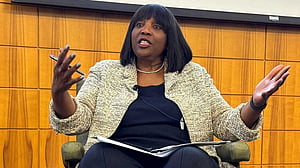
Review chair Prof Peter Fonagy said diagnosis must remain protected but could no longer be the only route to getting help.
“What has to change is that it is no longer the only door through which help can be reached,” he said.
Private Sector in the Crosshairs
The review also called for tougher regulation of private firms providing assessments on behalf of the NHS, citing concerns about the consistency and quality of their work, and recommended a ban on advertising by such companies, according to BBC.
The government said it would respond through a forthcoming mental health strategy expected before the end of the year, and pledged to introduce stricter oversight of private assessment providers.
Disability and mental health charities welcomed the acknowledgement of systemic failure but warned that real change would require major reform.