Published : 28 Nov 2026, 12:28 AM
Updated : 28 Nov 2026, 12:28 AM


Women and girls in eight South Asian countries remain vulnerable to sexual violence by their partners, with reported rates at least 35 percent above the global average, a new study has found.
The study by Samaj, a coalition of women's rights organisations in South Asia, links the higher rates to the failure to criminalise marital rape in much of the region.
Bangladesh, India, Afghanistan and Sri Lanka remain among nearly three dozen countries where marital rape is not recognised as a crime, according to the BBC.
Although Nepal and Bhutan have criminalised it, both impose lighter penalties. Maldives is the only South Asian country where marital rape carries the same punishment as other forms of rape.
Ranjeeta Silwal of Equality Now, a global women's rights organisation that is part of the Samaj coalition, said South Asia's marital rape laws largely trace their roots to British colonial rule.
Laws enacted in 1860 in India and Bangladesh and in 1885 in Sri Lanka exempt sexual intercourse between a man and his adult wife from the legal definition of rape.
Rights activists say the exemption is outdated, arguing that any forced sexual intercourse constitutes rape, regardless of the perpetrator's relationship with the victim.
Experts warn that sexual violence within marriage can seriously harm women's physical, psychological and sexual well-being.
The study found that more than 100 countries, including the United Kingdom, have criminalised marital rape. However, the legal exemption remains in place in Bangladesh, India and Sri Lanka.
In Afghanistan, the Taliban have steadily dismantled protections for women since returning to power in 2021.
Silwal told the BBC that a new penal code introduced in Afghanistan in January has further weakened protections.
Under the code, a husband can face prosecution for violence against his wife only if he breaks her bones or causes visible wounds or serious injuries. Even if convicted, he can receive a maximum sentence of 15 days in prison.
The code makes no mention of marital rape, while its narrow definition of punishable violence leaves women with little legal protection, she said.
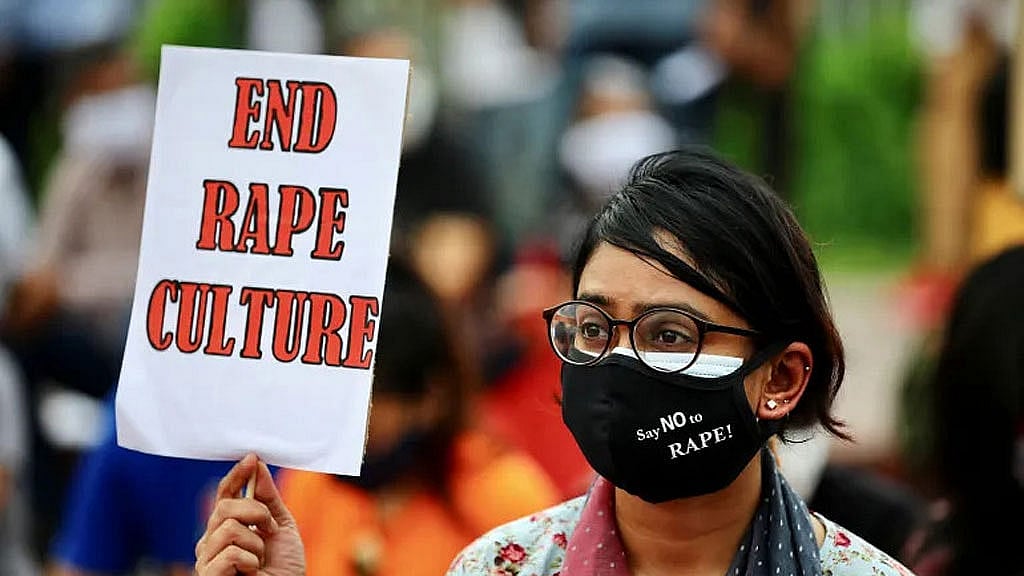
Silwal said the law reflects a belief that marriage itself implies a woman's consent to sex, treating her consent as irrelevant once she is married. She described the view as deeply patriarchal and rooted in the treatment of women as property.
In India, 10 petitions challenging the legal exemption remain pending before the Supreme Court, with final hearings scheduled to begin on Dec 9.
Indian courts have delivered conflicting rulings over the years. Some judges have called the exemption outdated and urged parliament to criminalise marital rape.
Last year, public outrage followed a court's acquittal of a man accused of raping his wife so brutally that she died.
The Indian government, religious organisations and men's rights activists have opposed the petitions, arguing that criminalising marital rape would make the law too harsh.
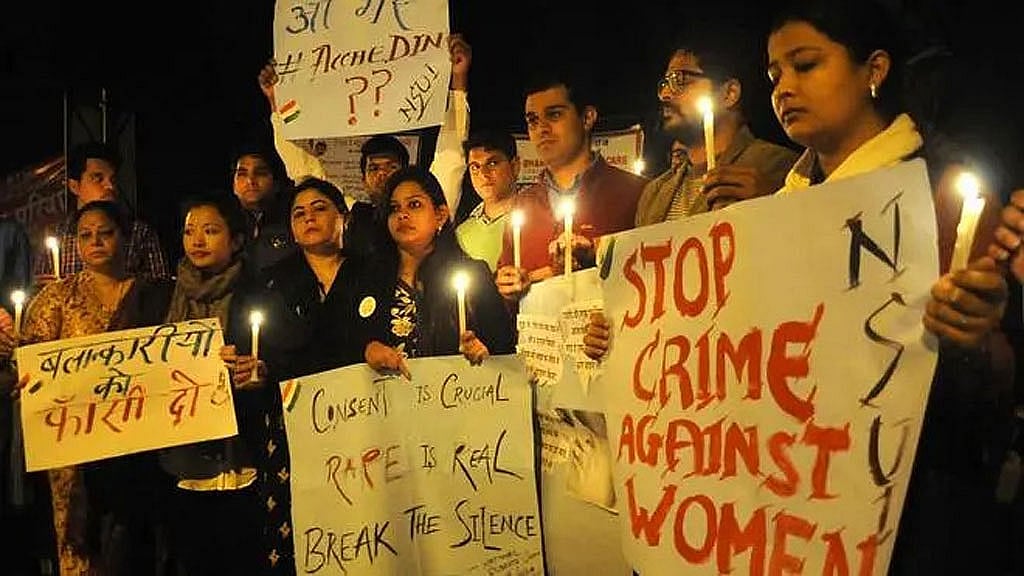
Human rights groups in Bangladesh have also challenged the exemption. They argue that it violates constitutional guarantees of the right to life, personal liberty and protection from torture and cruel treatment.
Silwal said opponents of criminalisation often argue that it would weaken family structures, undermine religious and cultural values and expose men to false accusations.
However, changing the law alone may not guarantee justice for survivors, she said, pointing to Nepal and Bhutan as examples.
In Bhutan, marital rape is a criminal offence but carries a relatively light sentence of one month to one year in prison. In Nepal, rape carries a prison term of six to 20 years, while a husband convicted of raping his wife can receive a maximum of five years.