Published : 20 Apr 2020, 10:29 AM
Updated : 27 Jul 2022, 02:07 PM


In bold, red letters, the sign proclaims that the island’s residential areas are “closed to visitors” and that it has “No restrooms, no open business, no medical facility.”
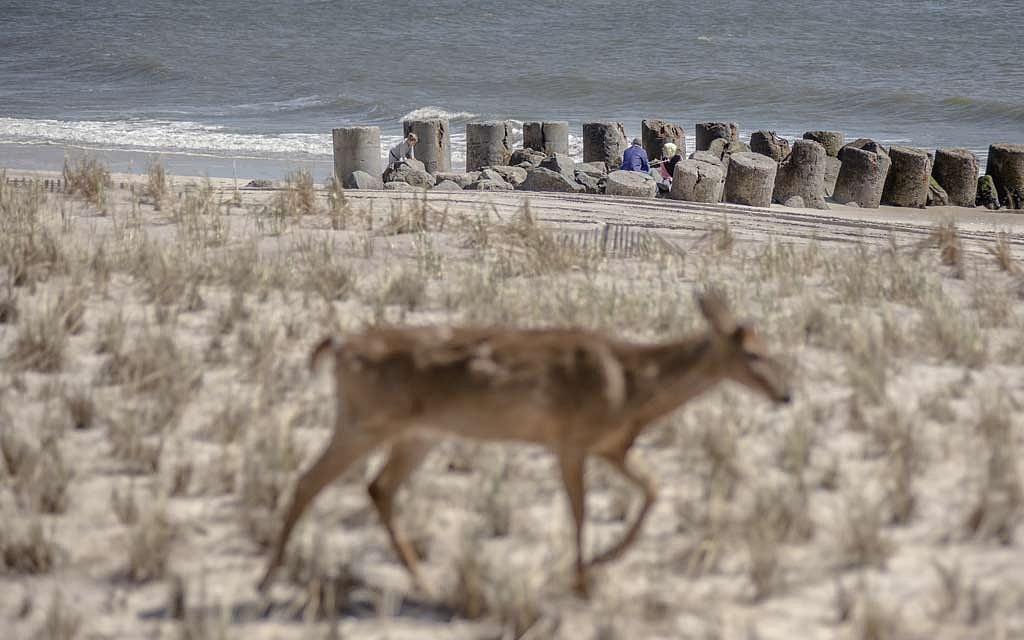
In fact, visiting Fire Island is not banned — a resident put up the unofficial sign — but it is strongly discouraged by local officials who fear that outsiders might bring the coronavirus to this 32-mile-long barrier island east of New York City, accessible mainly by ferry from mainland Long Island.
Like many summer vacation areas, the region’s island communities have looked with trepidation at the encroaching virus and the visitors who might be carrying it with them. But the islands have been especially adamant about avoiding possible exposure from newcomers; the isolation that makes them so charming also makes them terrible places to fall ill.
Although their county, Suffolk, has become a virus hot spot, Fire Island, Shelter Island and Fishers Island each have had few or no documented cases. The same goes for Block Island, just beyond New York waters in Rhode Island.
And the islands want to keep it that way, fearful that an outbreak would overwhelm their bare-bones, offseason medical and emergency rescue services.
Fishers Island, Shelter Island and Block Island each have one full-time doctor covering the island. Fire Island has no such setup.
The islands have managed to remain essentially virus-free partly because of their geography. Since most visitors arrive by boat, officials can monitor who arrives and check their health conditions and exposure history. They have taken measures including posting (official) notices at ferry docks, quarantining new arrivals and conducting contact tracing of the few cases they do have.
On Fire Island, there have been no documented cases among its roughly 300 year-round residents, nor among the hundreds of summer homeowners, largely from New York City, who have flocked there in recent weeks despite the apprehension of the full-timers.
“A lot of people called and said, ‘We’re trying to escape the virus and need to get out of the city; can you open my house?’ ” said Gary Cuomo, whose property management company on Fire Island opens and maintains homes for summer residents.
Cuomo — no relation to Gov Andrew Cuomo — has opened more than 100 of them in recent weeks, though he knows some of the year-round neighbours might not be happy about it. “Obviously, they’d prefer them to stay in Manhattan and not come out here,” he said.
Fishers Island, an exclusive sanctuary in the Long Island Sound just off the Connecticut coast, has set strong recommendations against migration onto and off the island and requires two-week quarantines both for newcomers and anyone who ventures off, even for a brief errand.
Fishers Island has a summer population of perhaps 2,500 but only about 250 year-round residents, who help provide vital services including running the ferry, the volunteer fire department and the handful of local businesses.
Several hundred seasonal homeowners have relocated to the island, but it has had only two known cases of the virus — both seasonal residents who officials believe may have unknowingly been infected when they arrived.
One had to be taken to a Connecticut hospital by the island’s Sea Stretcher, a marine ambulance. Both have since recovered and returned to their primary homes off-island, island officials said.
Lacking test kits, island leaders feared that even a small outbreak would overwhelm the island’s only doctor, Dr Chris Ingram, who created a confidential COVID-19 medical census to distribute to ferry passengers that gathers personal information and details about any symptoms and possible exposure to the virus.
Ingram has also begun contact tracing of symptomatic individuals, partly to warn others who may have been exposed.
On Block Island, there are so few medical workers that a viral outbreak “could become catastrophic very quickly here,” said Martha Ball, a town councillor.
Early on, some residents grew fiercely territorial, and there were calls to bar visitors and summer residents to avoid “breaking the seal,” Ball said. One resident threatened to vandalise and cut the island’s electrical power supply to discourage visitors, she said.
The town council on Block Island, which has about 900 year-round residents, concluded that an outright ban would be illegal. They instead enacted an emergency ordinance that set a wide array of restrictions and discouraged people from relocating to or even visiting the island, which has year-round ferry access from mainland Rhode Island and a seasonal ferry from Long Island. Ferries to the island have been reduced to one per day most days.
The restrictions were posted online and publicised by flyers distributed at the Rhode Island dock. The message, Ball said, was, “Do you want to be the person who comes here and infects Block Island?”
The island saw its first confirmed case last week, a man who was transported to a hospital off the island. Afterward, the island’s only grocery store immediately stopped allowing customers inside, Ball said.
With a heavy influx of summer homeowners last month from New York City, officials on Shelter Island posted quarantine notices at ferry docks and warned against hoarding at the island’s only supermarket, said Jack Thilberg, a town spokesman.
“We’ve created an environment here that’s safe, and to have an influx of sick people come here would compromise that,” he said. “You’re coming here because you want to be safe with your family. So don’t make us sick.”
The island has had six reported coronavirus cases, including two elderly residents who died and a local health care worker who recovered and is back at work, he said.
On Fire Island, Cuomo, the property manager, said he had opened 125 houses in recent weeks in and around Ocean Beach, one of 17 communities on Fire Island, and provided a list to local police seeking more detailed information on new arrivals.
c.2020 The New York Times Company