Published : 24 Nov 2026, 07:53 PM
Updated : 24 Nov 2026, 07:53 PM


The device combines transparent display glasses with an external processing unit, bringing virtual reality into a smaller form
bdnews24.com News Service
Google-backed Xreal is preparing to launch its Aura display glasses for $1,279, bringing an Android XR device to market ahead of Meta's similarly priced VR glasses expected next year.
Xreal announced the price on Wednesday but has yet to confirm a release date. The device is expected to arrive within the next month or two, according to technology news site CNET.
Wider purchasing options are also expected to become available in the coming weeks.
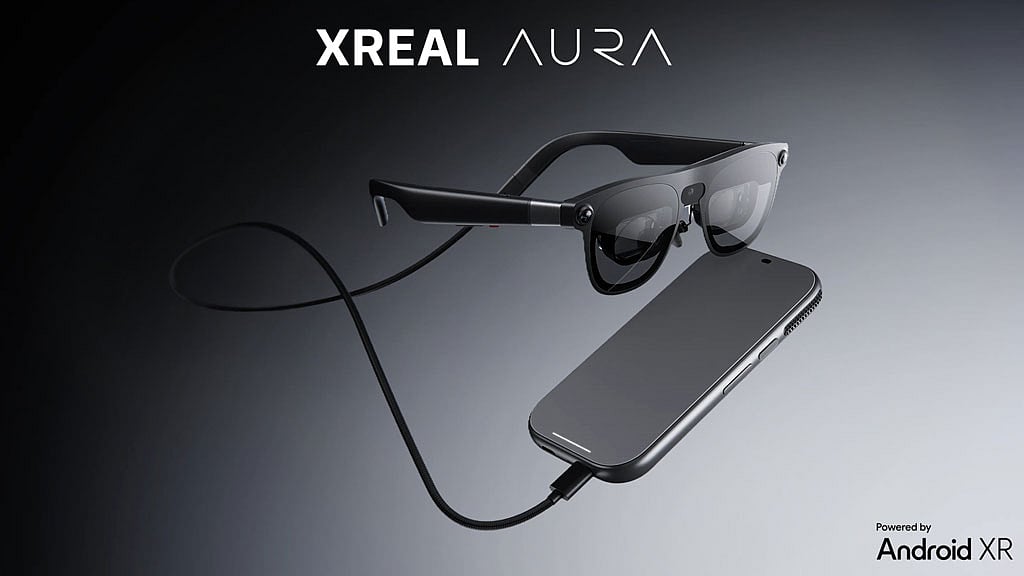
The Aura combines lightweight display glasses with an external processing unit, roughly the size of a smartphone. The unit runs Google's Android XR operating system.
Its micro-OLED displays project apps and digital content over transparent lenses, allowing users to see their surroundings while interacting with virtual elements, cited per the report.
The glasses also support Google's Gemini AI, which can recognise open apps and objects in the user's environment. Hand-tracking cameras allow users to control applications through gestures such as pinching and scrolling.
Scott Stein, who has tried the device several times, said its 70-degree field of view offers more viewing space than previous Xreal glasses, which reached up to 57 degrees.
The Aura can also display 3D experiences and virtual reality applications, although its field of view remains narrower than that of conventional VR headsets.
The starting model comes with 256GB of storage and 12GB of RAM. A higher-priced version will cost $1,500 and offer 512GB of storage and 16GB of RAM, CNET reports.
The device is expected to compete with Meta's VR Glasses, priced at $1,299 and scheduled for release next year.
Unlike the Aura's transparent lenses, Meta's device uses cameras to show the outside world through pass-through video. It offers an 84-degree field of view, eye tracking and compatibility with Quest controllers and applications.
Both devices use Qualcomm Snapdragon XR Elite chipsets and external processing units. They can also connect to other USB-C video-output devices, including phones, laptops and gaming consoles, to display their screens alongside virtual applications.
Google is also developing Gemini-powered smart glasses with Samsung, Warby Parker and Gentle Monster, expected before the end of the year.
The Aura and Meta's headset reflect a shift towards devices that combine augmented and virtual reality features.
Their prices, however, put them well above Meta's Quest headsets and in the premium segment of the market, CNET says.