Published : 12 Jun 2023, 07:30 PM
Updated : 12 Jun 2023, 05:59 PM


Spider-Man: Into the Spider-Verse was a watershed moment. With its intricate collage of styles and imagery, the trailblazing film signalled a paradigm shift in Western animation. But it also re-defined the idea of Spider-Man, expanding the concept to a multiverse of Spider-People.
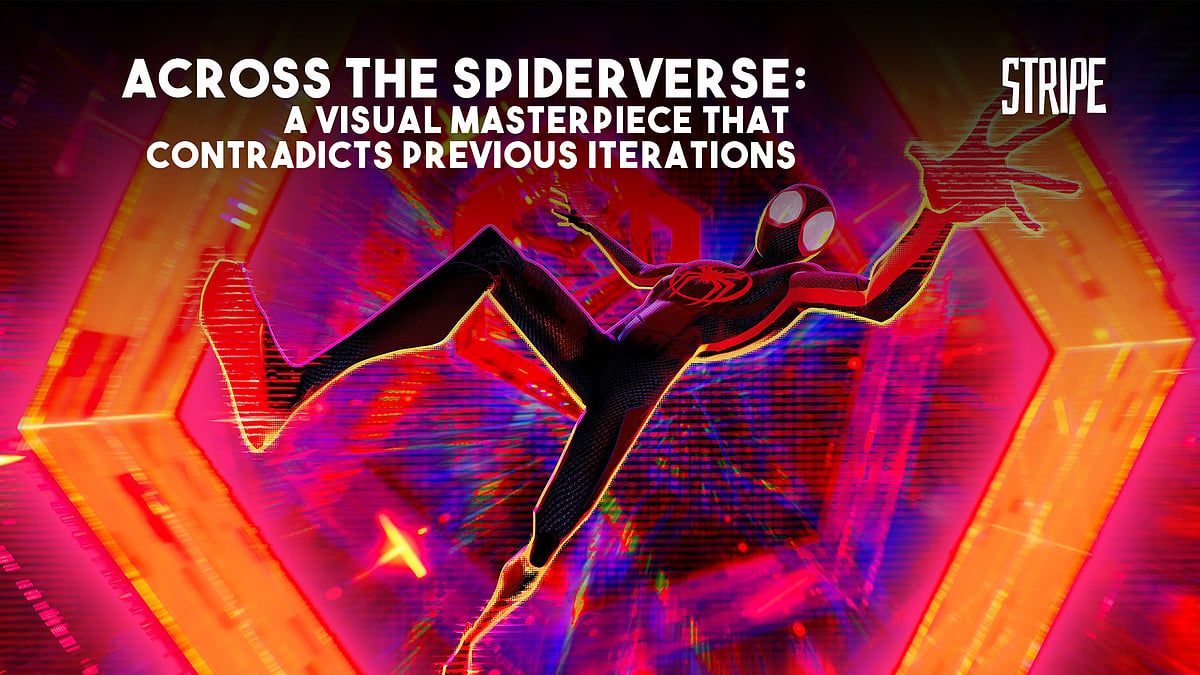
Spider-Man: Across the Spider-Verse is an expansive and ambitious sequel, pushing the visual complexity and challenges to the very concept of the Spider-Man myth even further. Only a few weeks from release, it has also secured its place as one of animated cinema's most amazing and iconic visual masterpieces.
But it's also a high-octane superhero adventure that never loses sight of its heart. The movie strikes a delicate balance between exhilarating action and poignant character beats that give the astonishing spectacle real depth and meaning.
Since his last dimension-spanning adventure, Miles Morales has established himself as the Spider-Man of his particular universe. But the mantle comes with immense pressure and responsibility, especially for a teenager whose loving parents are seriously worried about their oft-missing child. Miles struggles to balance his duties as a crime fighter with his family obligations. It becomes a test of his personal accountability, forcing him to confront his choices and their impact.
But Miles is not the story's only focus. Gwen Stacy, a Spider-Woman from another universe, also takes centre stage. After a battle with a multiverse-jumping adversary, Gwen is challenged by her policeman father over her role as a vigilante. Terrified of his reaction to her secret, she leaves her universe to join a team of Spider-Folks. When she follows a lead to Miles's universe, she can't help drawing him into a wider web of intrigue and danger.
Like its predecessor, Across the Spider-Verse is far from your average superhero movie. Its spectacular aesthetic mixes traditional hand-drawn techniques with bleeding-edge computer-generated visuals in even more inventive ways.
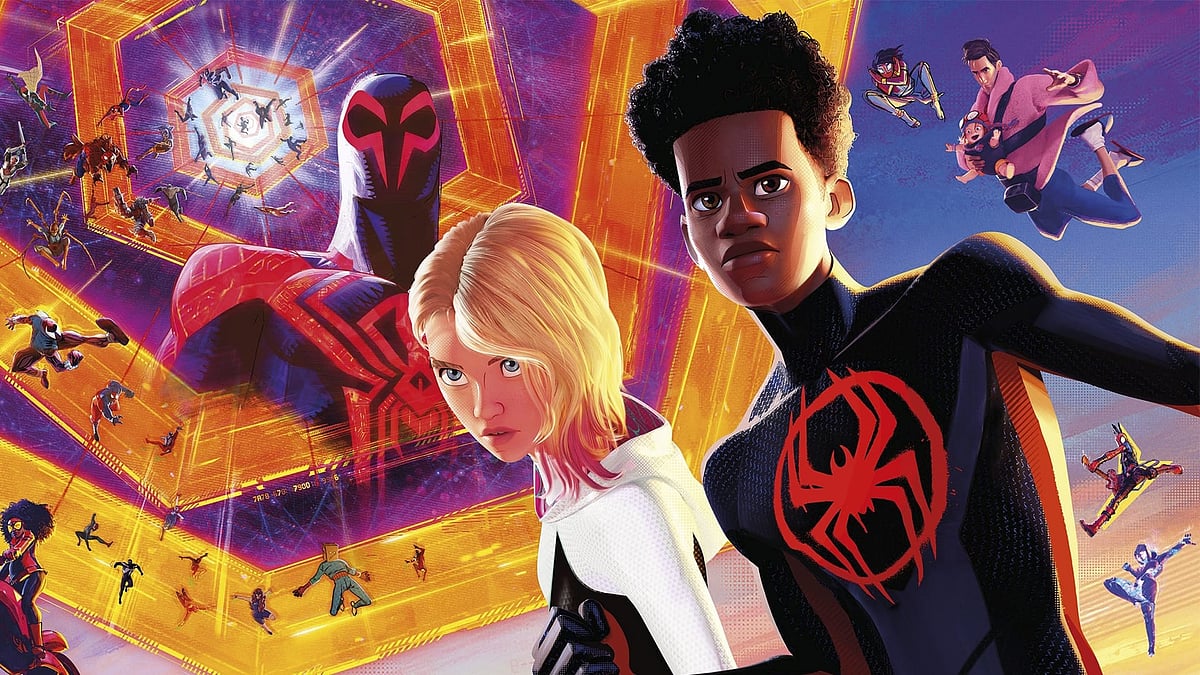
The fantastic soundtrack of energetic hip-hop beats and soulful R&B amplifies the sheer artistry on display in every frame. From the vibrant tapestry of colours and textures to the fluid, dynamic movement, the movie is a testament to the power of animation as a storytelling medium.
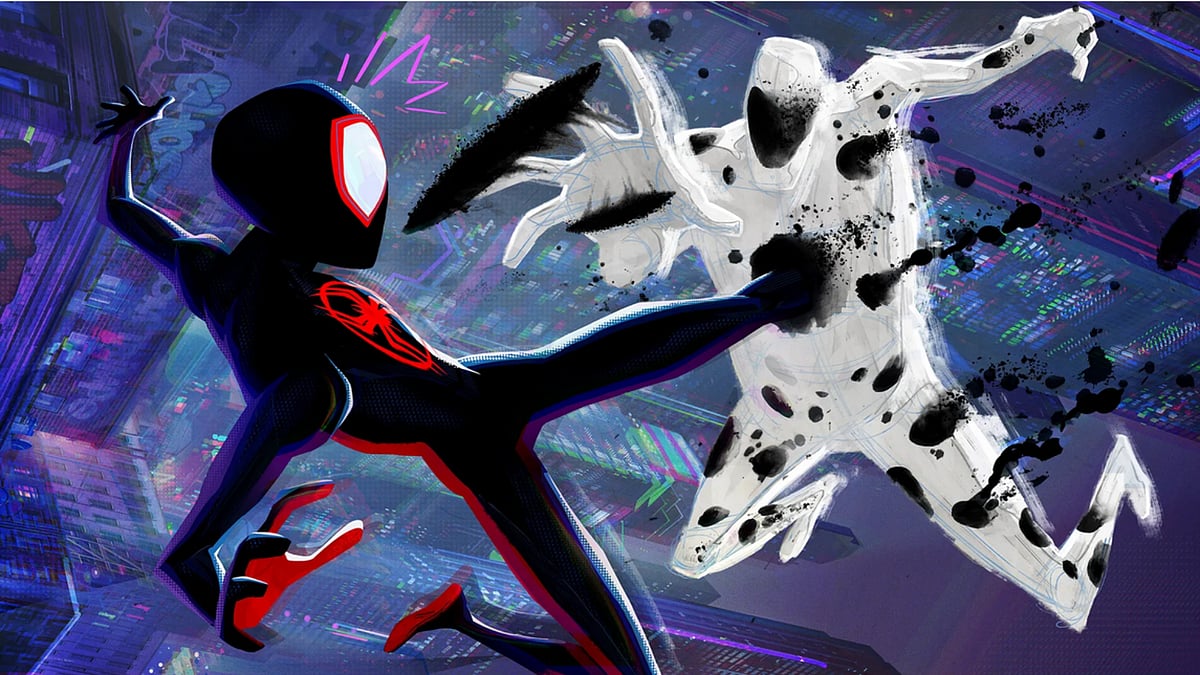
Gwen Stacy's universe, for example, is all watercolours and mood rings, dominated by bold, abstract images that heighten every emotion. Her first adversary is a villain seemingly sketched in Leonardo Da Vinci's scribbles. As they battle through the Guggenheim Museum in New York, he spots a version of Jeff Koons's 'Balloon Dog' and is incensed.
"Is this what you call art?" he snarks.
"Well, art is subjective," Gwen quips back.
It might feel like a throwaway gag at first, but it soon becomes clear that it's an intricate part of the film's themes of creation, art, and authenticity.
The Spider-Man story has been told time and time again. We've seen multiple reboots of the character in the past two and a half decades. Each tells the story of Peter Parker's transformation, his encounter with tragedy, and his subsequent rise as a superhero. Across the Spider-Verse challenges the idea that this arc is set in stone. Miles refuses to believe that his life will continue to be defined by tragedy.
The lengthy dominance of the superhero movie in Hollywood has started to show strain. Superhero fatigue has become a point of debate for moviegoers everywhere. It doesn't help that several recent blockbusters feel more like rehashes of marketing-approved formulas than creative, original works.
Under the circumstances, Miles is a perfect catalyst for its filmmakers to take aim at the issues plaguing the genre. Miles's resistance portrays comic book heroism, personal autonomy and choice. It challenges the idea that every superhero story must follow the same rigid rules. It shows there is still room for innovation, exploration, and diversity.
Miles wants the freedom to be himself, to forge his own path through the mesh of issues faced by Spider-Men. He refuses to let others define his story and reminds us that heroes can be more than just their pain and trauma. It's a breath of fresh air that allows him to stand out as a unique and compelling character.
Like its protagonist, Across the Spider-Verse throws down the gauntlet to both the superhero genre and the animated film. This is the high-water mark. Everyone else should hustle to keep up.
This article is part of Stripe, bdnews24.com's special publication focusing on culture and society from a youth perspective.