Published : 01 Jul 2023, 07:30 PM
Updated : 01 Jul 2023, 03:59 PM


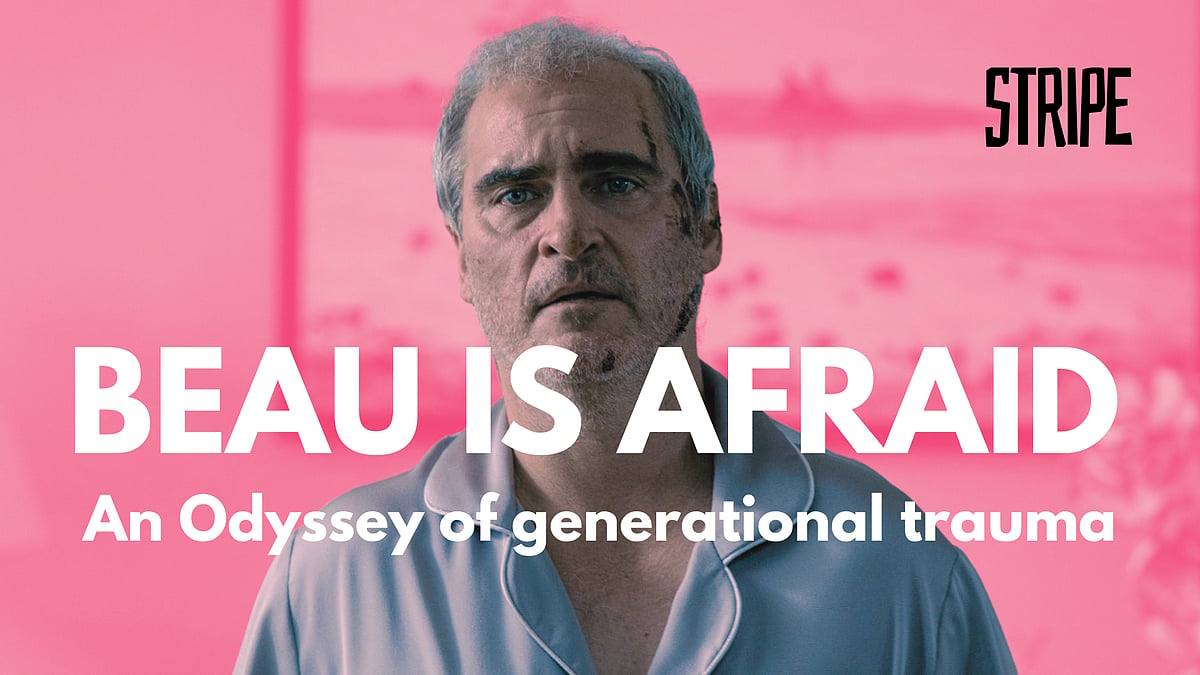
Ari Aster, the director of modern psychological masterpieces Hereditary and Midsommar, delves once more into the depths of the human psyche in his latest opus, Beau Is Afraid.
With meticulous skill, Aster weaves together a dense and evocative narrative tapestry of generational trauma and self-identity to explore profound ideas of intimacy, guilt, and the lingering effects of suppressed wounds.
The film opens with a thunderous sequence that immerses viewers into the bizarre birth of our protagonist, immediately establishing the turbulent path ahead for Beau, portrayed by the excellent Joaquin Phoenix as an isolated, soft-spoken, utterly afraid man who is disturbed beyond recognition.
Beau's panic-driven mania intertwines with reality as he encounters a diverse cast of multi-layered characters in encounters that usually end disastrously.
Those worried about the 3-hour runtime should be warned. The movie isn't an easy watch. It dives into tough subjects through harrowing visuals, but it also uses every second to dial up its impact on the audience.
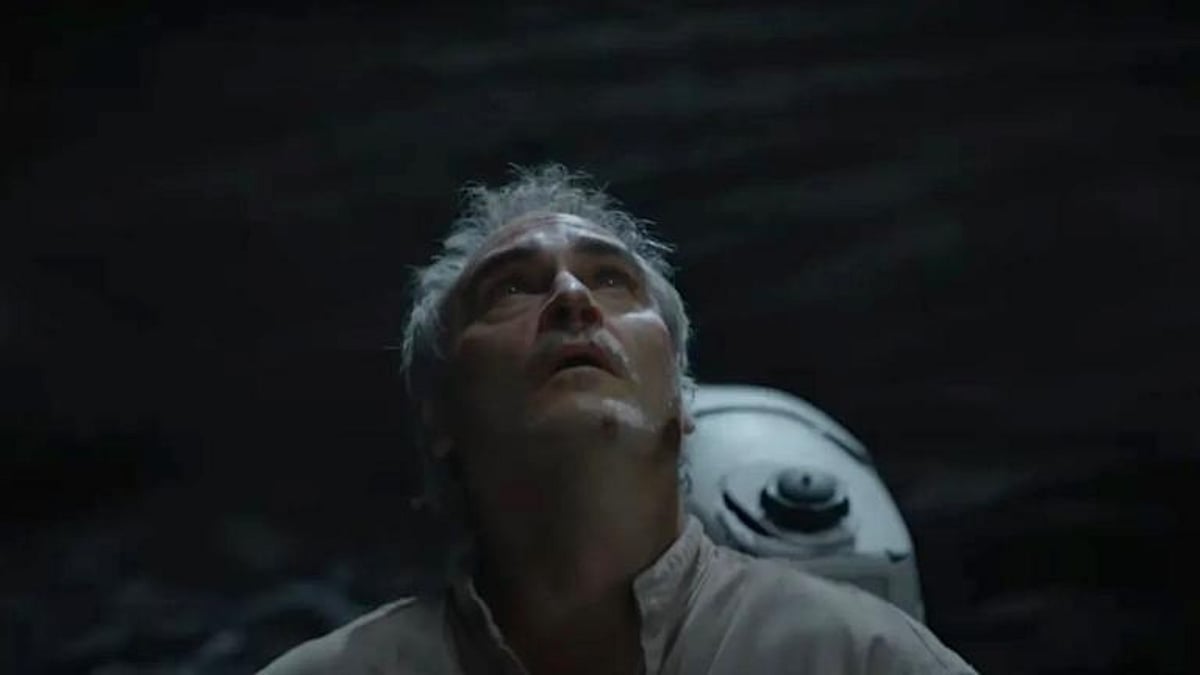
Early on, Aster employs heightened visuals to show Beau's desensitisation to the violence and injustice around him. A difficult upbringing marked by an absent father and a loving but crooked mother (Patti Lupone) has left him afraid of intimacy and detached from the world.
However, even in therapy, Beau finds it impossible to confront his mother's shortcomings. His promise to never become his father and abandon her inadvertently stifles his growth and self-expression. It erodes his sense of masculinity and feelings of unworthiness.
Despite the formidable cast of character actors and cameos, Lupone stands out in her minimal screen time. Her portrayal of a mother whose son cannot escape her gravitational pull.
Beau desperately desires intimacy but is terrified of perpetuating the same cycle of abandonment and trauma of his early years. This causes him to develop deep-seated scepticism about the world and others. Even when he finds others who genuinely care for him, his inability to fully grasp their struggles prevents him from investing in their relationship. He yearns for love and care, but his subconscious belief that he is unlovable kicks off a cycle of self-sabotage that creates a self-fulfilling prophecy.
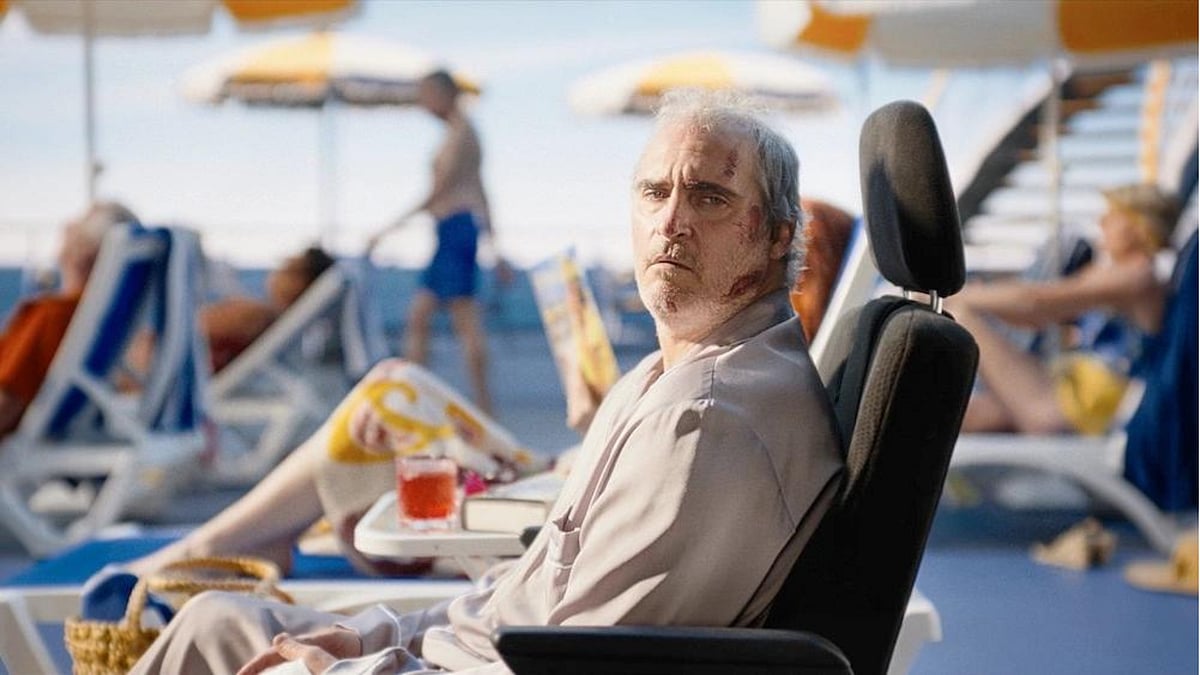
The only real connection he forms is a childhood crush (an effortless Parker Posey) who reappears at a crucial moment in the film and catapults it into the climax. Beau finally gets to experience a release from his internal binds, but things don't wrap up as neatly as he would hope.
In his first two films, Aster explored the darkness that lurks beneath the world's surfaces. Beau Is Afraid brings that darkness to the forefront. It is a challenging film with an emotionally charged vision demanding total engagement to plumb its intellectual depth. The film is his most ambitious and perplexing yet.
But, despite the effort required to confront the more challenging aspects of the film, Beau Is Afraid remains a highly authentic and creative venture from one of the most exciting directorial minds of his generation. Aster's ability to create experiences that linger long after the credits roll solidifies his status as a visionary of contemporary filmmaking.
This article is part of Stripe, bdnews24.com's special publication focusing on culture and society from a youth perspective.