Published : 20 Nov 2026, 06:42 PM
Updated : 20 Nov 2026, 06:42 PM


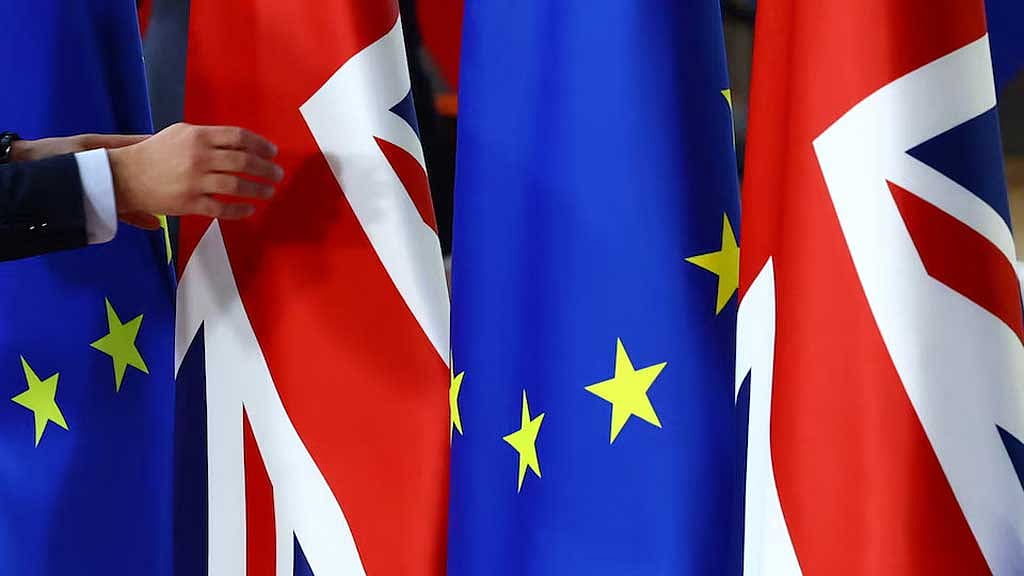
Britain and the EU on Friday agreed to link their emissions trading systems (ETS) as part of an EU-UK summit designed to forge closer links between the two regions.
WHAT IS AN ETS?
An ETS sets a gradually decreasing cap on the emissions a sector, or group of sectors, can produce. It creates "carbon permits" for those emissions, which companies must buy or hold for each tonne of CO2 they emit. Europe launched its ETS in 2005 and included Britain until the end of 2020, after it left the European Union. The EU scheme also includes Iceland, Liechtenstein and Norway and applies to electricity generation in Northern Ireland under the Brexit protocol. The UK launched its own replacement ETS in 2021.
WHO IS COVERED?
Both schemes cover emissions from power generation, industry, aviation and shipping. The EU scheme covers around 40 percent of the EU’s emissions while the UK scheme covers around 25 percent of Britain's emissions.
WHAT DOES LINKING THE SCHEMES MEAN?
Joining the two carbon markets would mean an allowance from either can be used for compliance in either market. It will increase liquidity in both markers and should pave the way for companies to be exempt from each other’s carbon border levies, designed to protect industry from producers abroad who do not face similar green costs. The EU's Carbon Border Adjustment Mechanism (CBAM) took effect in January 2026 and imposes an emissions fee on imports of steel, cement, aluminium, fertilisers, electricity and hydrogen. The UK will launch its own CBAM from Jan 1, 2027, covering the same sectors except for electricity.
WHY DOES IT MATTER?
Supporters of linking the market, such as the industry group Energy UK, say it would prevent competitive distortions and reduce costs for both EU and UK consumers. The UK government has said the EU levy currently applies to £7 billion ($9 billion) worth of UK exports to the bloc. Energy UK said the measure could save UK industry around £800 million a year.
Opposition Conservative leader Kemi Badenoch, whose party opposes closer ties to the EU, has argued the carbon levies have harmed Britain's industries and wants to remove them completely.
HOW MUCH DO CARBON PERMITS COST?
The benchmark EU carbon contract is currently trading around €82 (90)per metric ton,while the UK contract UKAF MZc1 is currently around£60/ton(79).
British fossil fuel power generators also currently pay an extra £18/ton carbon tax on top of their ETS obligations, which the government has signalled will end in April 2028. Analysts have said the price difference between the two contracts will close once linking begins.
WHAT HAPPENS NEXT?
Some technical and legal steps are still needed before the link can take effect. The deal needs ratification on both sides. Under EU rules, full market linking must take place before Britain can be exempt from its CBAM.