Published : 23 Apr 2023, 07:30 PM
Updated : 23 Apr 2023, 06:26 PM


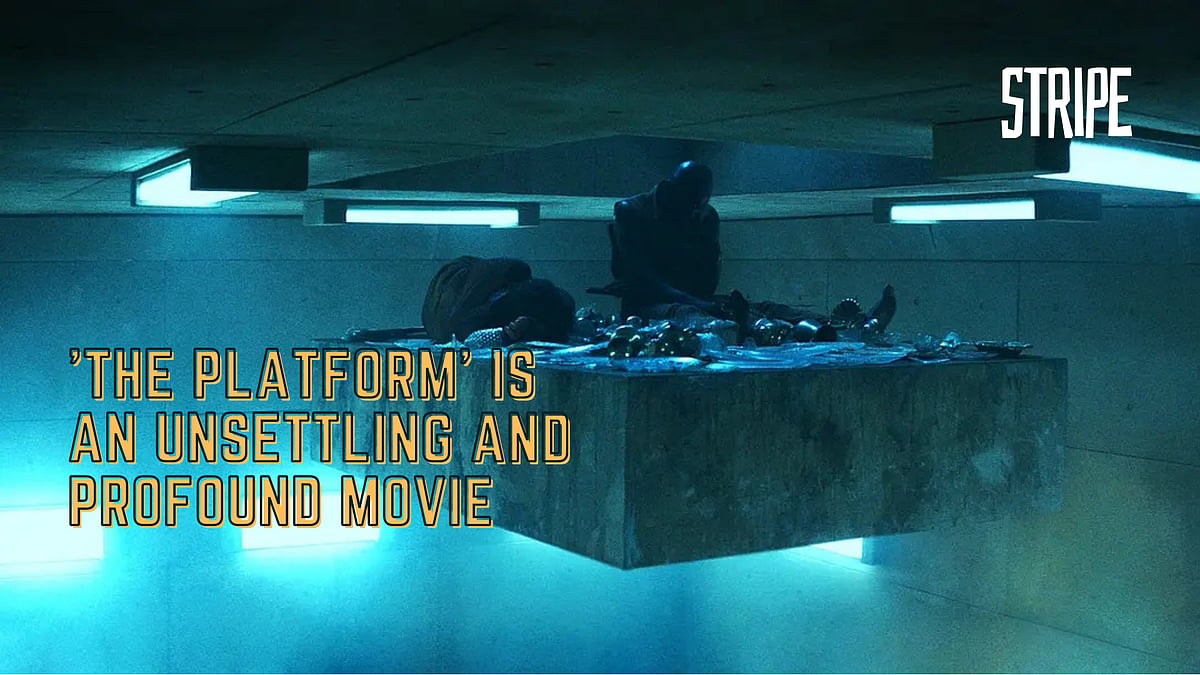
A man wakes up in prison. The prison has multiple floors, though no one knows precisely how many. Every day a platform with sufficient food for all the prisoners starts at the top and goes down level by level. Everyone could survive if they took only what they needed, but the lower you go, the less food there is. Every month, the prisoners are randomly assigned to a new floor.
This is the setting for 2019's The Platform, a Spanish science fiction thriller directed by Galder Gaztelu-Urrutia. Although a deeply unsettling picture, The Platform is also a profound exploration of human nature. Our protagonist, Goreng, is a man who has willingly entered the prison in pursuit of knowledge.
Throughout his journey, he will learn much about man's ability to overcome our darker instincts and ideas of morality, compassion, and the possibility of change.
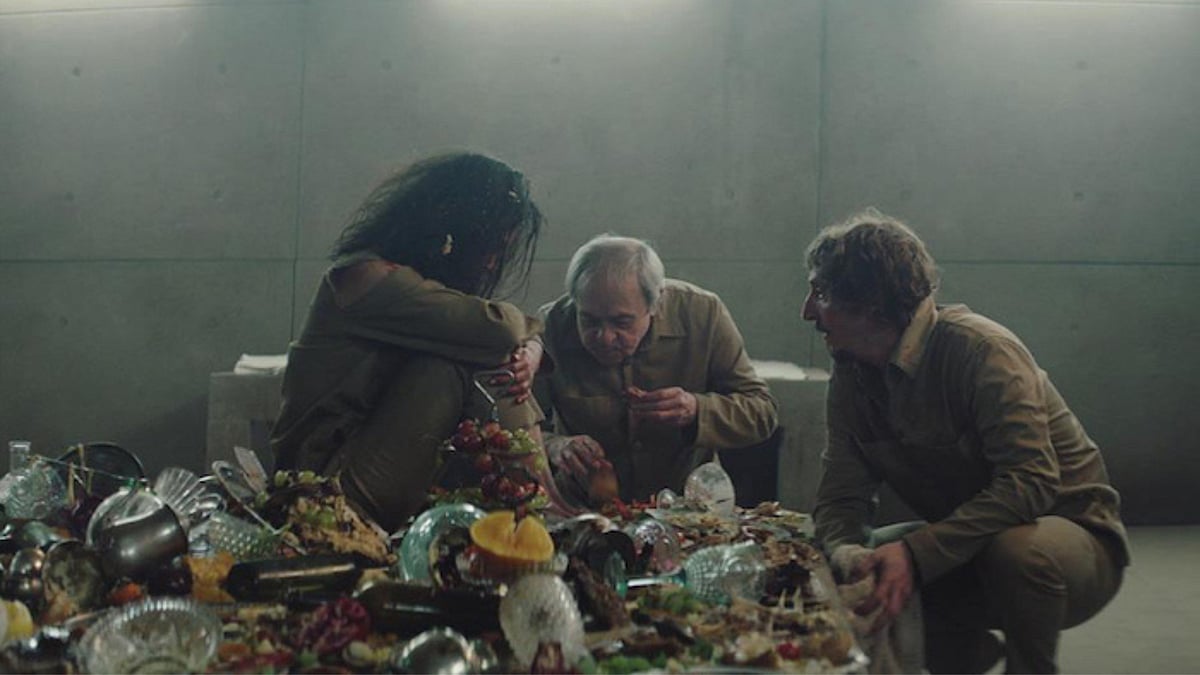
The prison is called The Pit and is the movie's defining characteristic. Its dynamics reflect those of our real-world power structures. The class struggle allegory is evident as those on the higher floors can eat as much as they want, while the lower levels scramble to sustain themselves. It is a clear metaphor for how our society is organised to favour the few at the top at the expense of the many. It also shows how those in power will go to great lengths to cling to their position.
As Marx observed, those in power use their try to maintain control, thereby exploiting and oppressing any who are less fortunate.
As the story unfolds, a pervasive sense of despair and violence saturates the prison. The relentless and unforgiving atmosphere heightens the tension. It emphasises the need to reflect on the human condition, including our capacity for selflessness and cruelty.
Drawing on Thomas Hobbes' concept of a violent and cruel state of nature, the movie portrays the prisoners as trapped in a cycle of self-preservation and competition, which makes it difficult for them to cooperate and support each other. Those on the upper floors intentionally manipulate resource scarcity, leading to brutal conditions. As a result, the prisoners are driven to their worst instincts.
By depicting the prisoners' struggle for survival, the movie offers a compelling critique of the capitalist system that underlies our own society. The platform is a surreal but powerful illustration of this dynamic, vividly portraying how scarcity and inequality can erode empathy. It reflects a broader social reality in which scarcity breeds conflict and division rather than cooperation and mutual support.
The film also touches upon the concept of utilitarianism, which asserts that the most ethical course of action is the one that promotes the greatest good for the greatest number of people.
At one point in the film, Goreng attempts to implement a more equitable distribution of food by enforcing rationing and encouraging the prisoners to share their resources. Through this plot beat, it questions whether the ends justify the means and if the idea of sacrificing for the greater good is morally defensible.
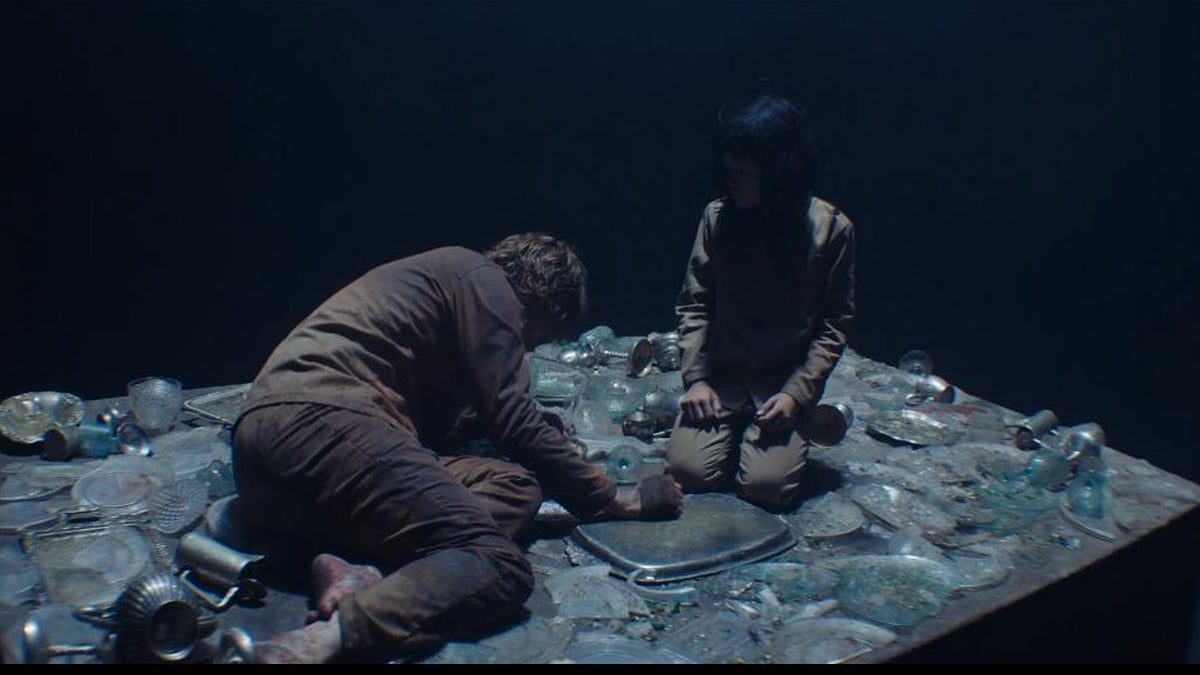
The film also delves into existentialism and nihilism by portraying a seemingly arbitrary and unjust system. The level reassignments of each month have no apparent rhyme or reason. As the characters grapple with their circumstances, some question the meaning of life and the purpose of their existence. Goreng, in particular, starts to wonder whether his idealistic beliefs have any place in a world where survival is the primary concern.
The movie even has time to dive into the ideas of social contract theory put forward by Jean-Jacques Rousseau and John Locke. The theory posits that individuals willingly surrender some of their freedoms to the state for protection and the preservation of their rights. The film's characters are bound by an implicit social contract that dictates their behaviour within the vertical prison. However, it showcases the fragility of this contract, as the characters continually break its terms in the face of desperation.
The movie is a compelling meditation on the human condition, masterfully utilising its setting and narrative to explore complex philosophical ideas. Its powerful and unsettling cinematic experience entertains and stimulates intellectual and moral debates. By blending elements of science fiction, horror, and philosophical inquiry, the movie challenges us to consider our moral compass and ponder the nature of human existence in a world where resources are scarce, and the struggle for survival is relentless. It forces us to confront our capacity for compassion, selflessness, and change.
But ultimately, The Platform poses one of the most challenging questions we must ask ourselves - can we, as a society, rise above our baser instincts and create a better world? The bold and unflinching way it confronts this question will undoubtedly impact all who watch it.
This article is part of Stripe, bdnews24.com's special publication focusing on culture and society from a youth perspective.