Published : 13 Jul 2023, 03:32 AM
Updated : 13 Jul 2023, 02:25 PM


Around six months away from the next general election, fears of a disastrous political storm have gripped Bangladesh. With no end to the deep political division in sight, analysts say the two main parties – the ruling Awami League and its rival the BNP – must make compromises for a consensus to avert a full-blown violent confrontation.
It’s not that the parties must hold talks publicly - the negotiations can be held secretly, without any foreign meddling, one analyst argued.
Election-time government has taken the centrestage in Bangladesh’s politics since the caretaker system, in which the immediate past chief justice was made the head of an interim administration, was repealed in 2011.
The BNP did not contest in the 2014 parliamentary polls as its demand for a caretaker government was not met.
When it did join the 2018 election, the party said the voting bore evidence of irregularities that elections cannot be free and fair if held with a political party in power.

The Awami League has maintained elections will be held under the ruling party as per the constitution.
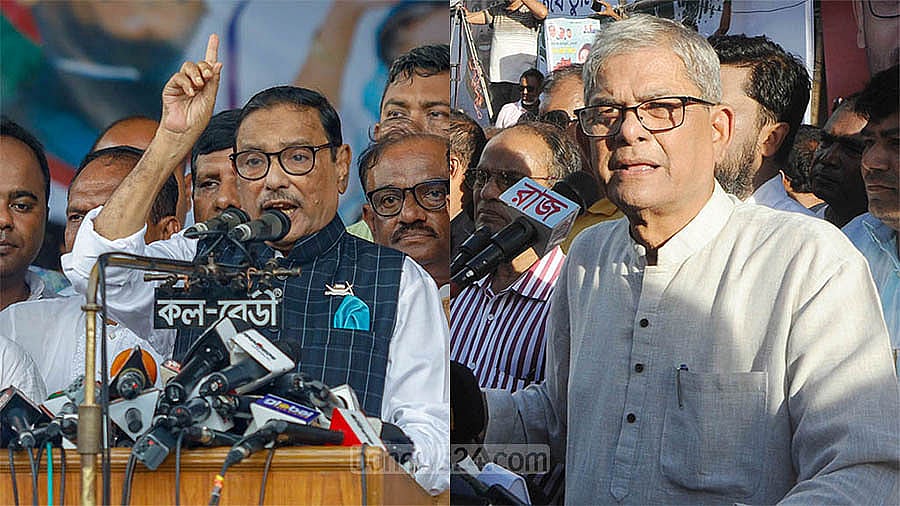
On Wednesday, the BNP announced the final phase of its anti-government movement, with only one demand – the Sheikh Hasina administration’s resignation before the next general election.
The ruling party, which held a rally less than two kilometres from the BNP’s event for the announcement, reiterated that Hasina will remain prime minister during the election.
Leaders from both sides used strong words in their speeches, showing no sign of a consensus, and stoking fears that things will get worse.
WILL THERE BE A CONSENSUS?
Observers of Bangladesh's politics, however, do not see any immediate risk of a confrontation.
The unwavering positions of the parties, however, make people afraid if the next general election will be contested by all, said Sharmin Murshid, chief executive of Brotee, a rights-based non-profit civil society organisation.
“The election is only a few months away and they have announced their sole demands now. Actually there is nothing called a single demand in politics. Such announcements so early are immature,” she said.
“Both the parties must come forward for a consensus, considering the people’s wellbeing. The ruling party has greater responsibilities. But if both parties refuse to change their minds, we will have to pay for such immaturity.”
Former ambassador Humayun Kabir also sees reasons to be afraid. A show of support through rallies like the ones held on Wednesday will only fuel the fears, he said.
“Such uncertainty before every election can’t continue. A consensus will be good for us in future,” he said.
Rafiqul Islam, a former election commissioner who had worked during the 2018 polls, said Wednesday’s rallies and the new events to come are only a tactic to create pressure.
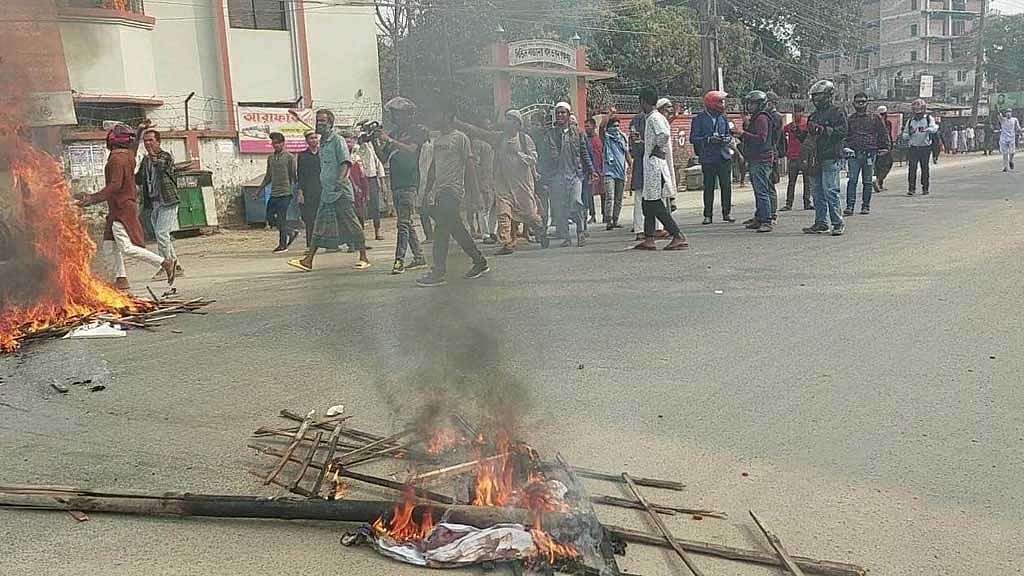
“They are creating pressure to see how much they can gain. But if they refuse to make a compromise until the end, a confrontation is inevitable.”
Shantanu Mazumder, a professor of political science at Dhaka University, thinks both sides still have enough time for negotiation.
“The political parties raise their voices before elections everywhere in the world. No matter what happens publicly, the parties can strike a deal [secretly].”
Prof Shantanu said it would be better for both the Awami League and the BNP to reach a consensus themselves without the mediation of foreign powers. “We must not allow them [foreign powers] to dictate us.”
“But any advice for free and fair elections should be welcome. The international community can also play a good role publicly in helping the political rivals reach a democratic decision.”