Published : 24 Nov 2026, 12:41 AM
Updated : 24 Nov 2026, 12:41 AM


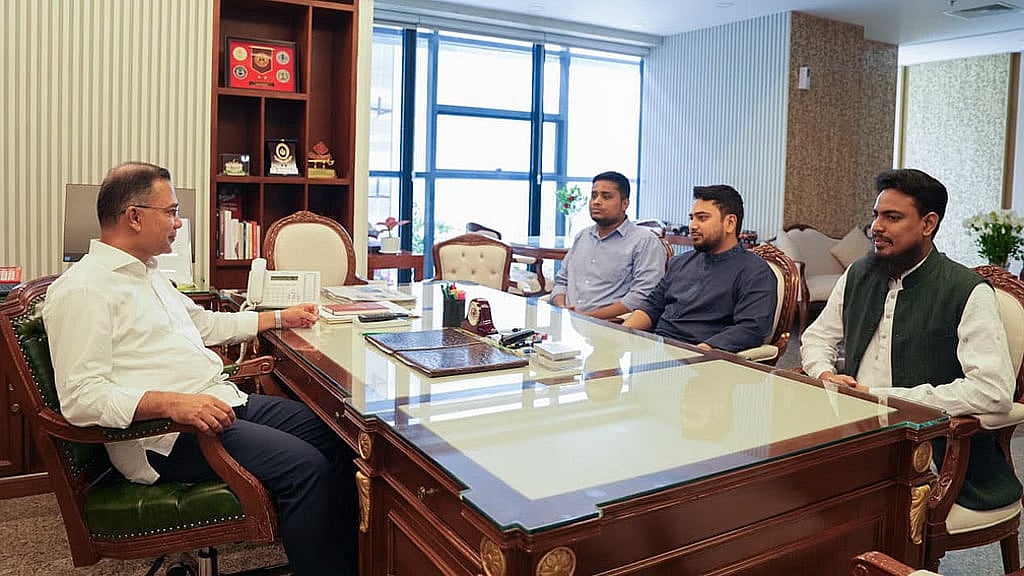
Prime Minister Tarique Rahman has met leaders of the National Citizen Party (NCP), a partner in the Jamaat-e-Islami-led opposition alliance, as he seeks to bring political forces together amid growing tensions over the alleged Awami League activities and the country's political future.
Tarique met four NCP leaders at the Secretariat at 1:20pm on Monday.
Mahdi Amin, the prime minister's spokesperson, and Parliamentary Whip Mia Nuruddin Ahmed Apu were also present.
Speaking to reporters afterwards, Mahdi said the “anti-fascist unity” among political parties remained “unshaken”. An NCP leader, meanwhile, said the party had not set any conditions for attending the meeting.
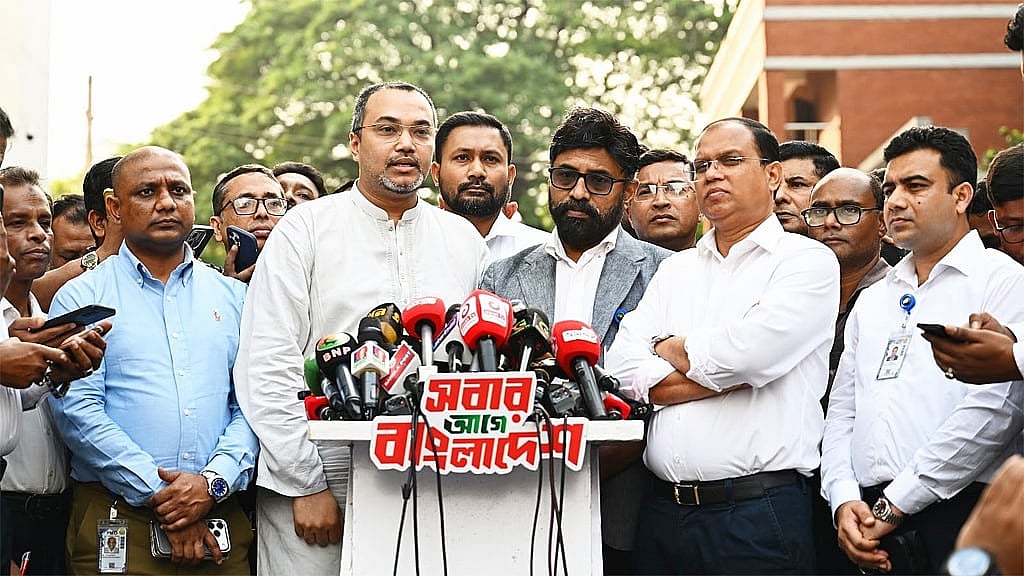
The talks came amid renewed political tensions following a series of violent incidents and disagreements among political parties over how to deal with the Awami League, which was ousted from power in the 2024 mass uprising and is now banned from political activities.
Former prime minister Sheikh Hasina, who is in exile in India and has been sentenced to death, told Reuters in a telephone interview in July that she planned to return to Bangladesh by December and surrender to the court. She also said senior Awami League leaders living abroad would return with her.
Reuters reported on Nov 9 that Hasina had applied for a new passport and national identity card.
Meanwhile, crude bomb blasts and vehicle arson have been reported in Dhaka and elsewhere.
In Gopalganj, a police station, a hospital and an MP's residence came under attack and were set on fire. A bus was torched in Faridpur, where two people, including a Jatiotabadi Krishak Dal leader, were killed. Two BNP leaders were also killed in an attack on a procession in Narail.
The homes of former Awami League ministers, MPs and activists have also been attacked and set ablaze.
The government and police have blamed the Awami League for the sabotage.
Dhaka Detective Branch chief Shafiqul Islam said last Wednesday that crude bomb blasts in the capital had increased around programmes announced by the banned party.
“There have been two lockdowns this month. They have announced a programme, and that programme is approaching. They are active in this regard, to show that they are still there,” he said.
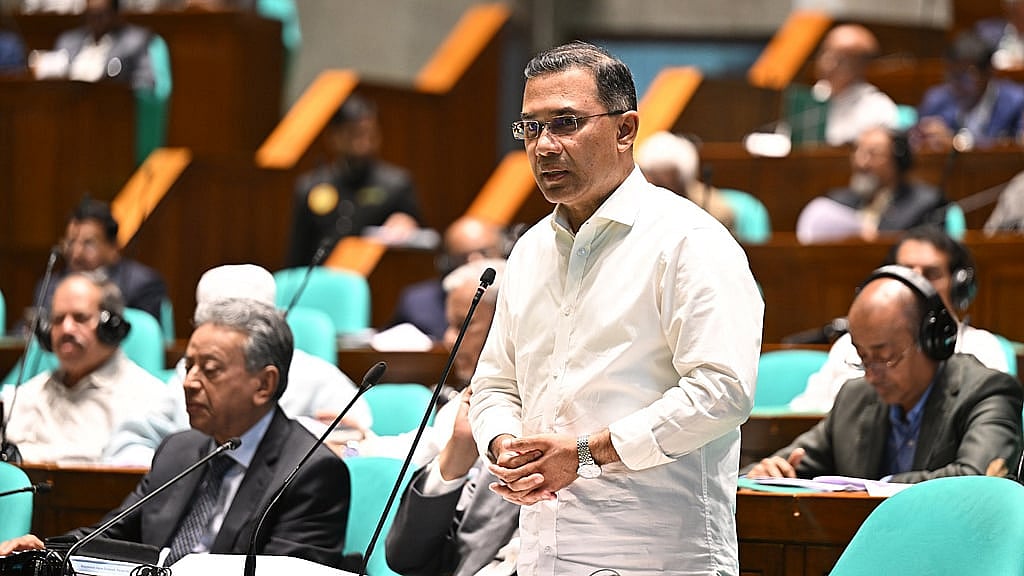
Against this backdrop, Tarique urged democratic forces inside and outside parliament to unite against the Awami League.
Speaking in Parliament last Wednesday, he called the ousted party a “terrorist group” and cited arson, bomb blasts and attacks, including incidents in Gopalganj’s Tungipara.
“This terrorist group, identified as such both at home and abroad, is once again engaging in terrorism against the country and its people to turn Bangladesh into a subservient state again,” he said.
But the call for unity has also exposed differences over what that unity should entail.
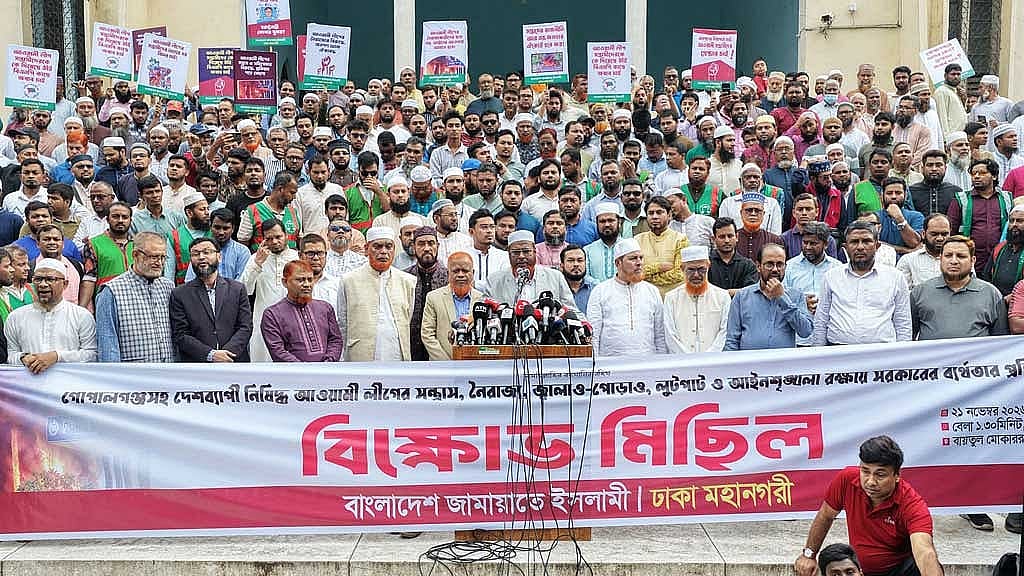
Jamaat Secretary General Mia Golam Porwar has demanded that the government implement the July National Charter in line with the outcome of the referendum.
Addressing a rally on Saturday, he said national unity would be meaningless without respecting the referendum verdict.
“It is meaningless to speak of national unity while ignoring the verdict delivered by 70 percent of the people in the referendum. If the July Charter is not implemented, divisions will emerge among the anti-fascist forces,” he said.
After returning from the United Kingdom on Sunday, NCP Convenor and Opposition Chief Whip Nahid Islam also set out conditions for building national unity.
He called for the dissolution of the “one-party” constitutional amendment committee and the swearing-in of the Constitution Reform Council as a first step.
Nahid also demanded implementation of the July Charter in line with the referendum mandate, progress in the trials for the genocide, a commitment from the BNP government on a new or revised Ganges treaty and implementation of Hasina's death sentence.
What Did NCP Discuss with Tarique?
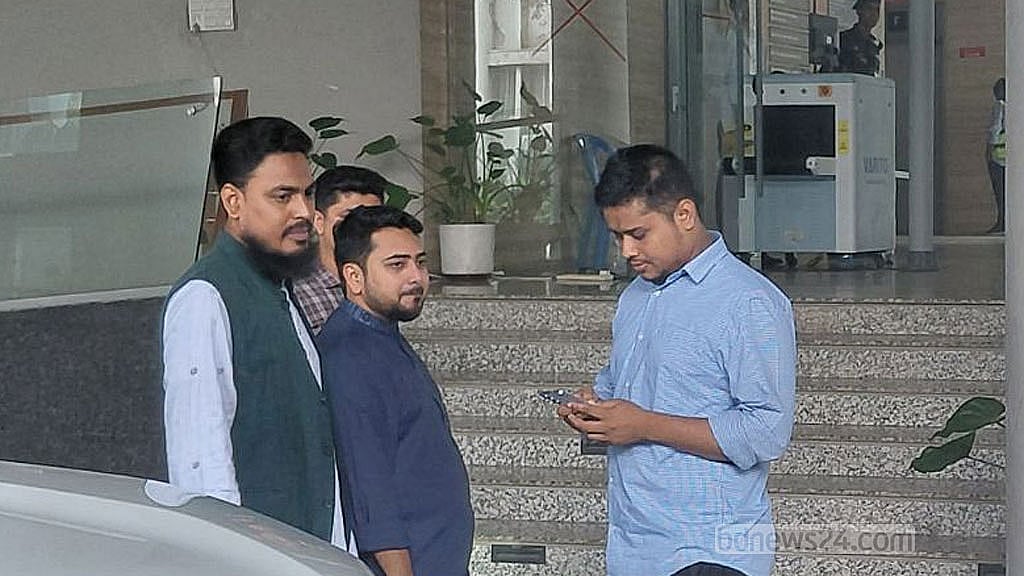
The NCP delegation at Monday's meeting comprised Nahid, Member Secretary Akhtar Hossen, Senior Joint Convenor Hasnat Abdullah and political council member Akram Hossain.
An NCP leader described the meeting as “friendly” and said the party had strongly protested against what it sees as attempts within the BNP to rehabilitate and legitimise the Awami League.
The delegation warned that if the BNP took such a decision, the Awami League could not be stopped from returning to politics. Tarique assured them that he would “take steps”, the leader said.
The NCP also outlined what it considers the main sources of the current political crisis.
“The steady deterioration in law and order over the past seven to eight months since the election, compromises on justice, the failure to take a firm stance on the Awami League and the lack of clarity on diplomatic issues with India have created the current crisis,” the leader said.
Nahid proposed making reforms the central agenda of national unity, arguing that strengthening democracy and state institutions would also help encourage investment.
He criticised the constitutional amendment committee as a one-party body that was obstructing reform and the implementation of the July Charter.
“This committee is obstructing the reform process and the implementation of the July Charter,” he said.
Nahid reiterated the demand for the Constitution Reform Council to be sworn in and the July Charter implemented in line with the referendum result. Tarique said the issues would be considered and discussions would continue, he added.
An NCP leader also urged the prime minister to extend the proceedings of the International Crimes Tribunal to the Upazila level and ensure justice for the families of political figures and activists subjected to enforced disappearances and killings over the past 17 years.
Akram told bdnews24.com that the delegation had spent more than two hours at the Secretariat, although the formal discussion lasted about 35 minutes.
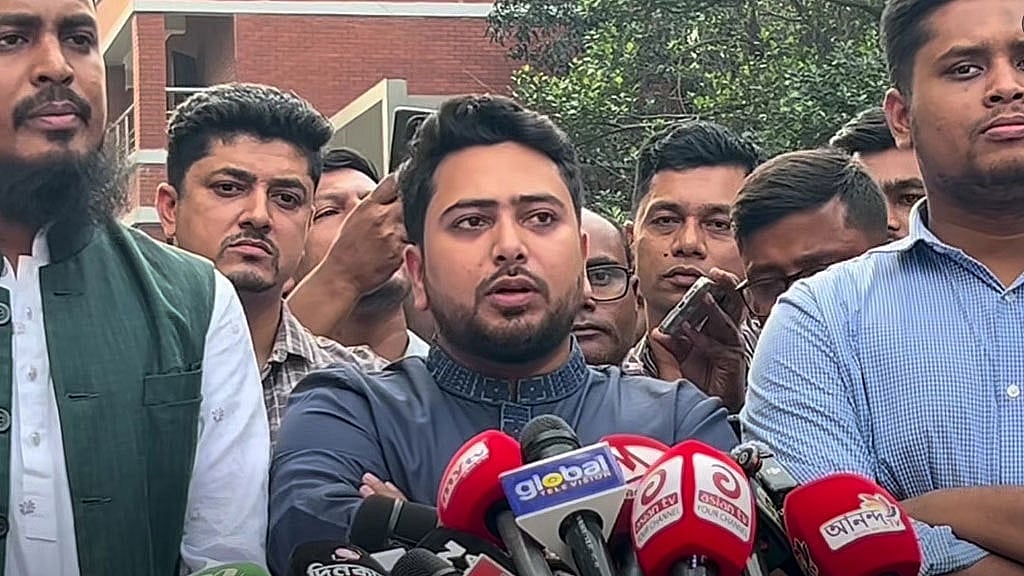
“The trial of the Awami League and the July issue were discussed, and the prime minister agreed with us,” he said. “He also agreed on bringing Sheikh Hasina back to the country and bringing back those responsible for Osman Hadi’s killing.”
The account of the meeting's duration from Akram and the initial 35-minute estimate refer to different parts of the visit, with the remaining time spent on food and other engagements.
One of two prime ministerial advisors contacted by bdnews24.com said the talks were primarily intended to preserve unity over the Awami League issue, although questions could be raised about the broader political objective.
The advisor also claimed the NCP had set conditions before agreeing to attend.
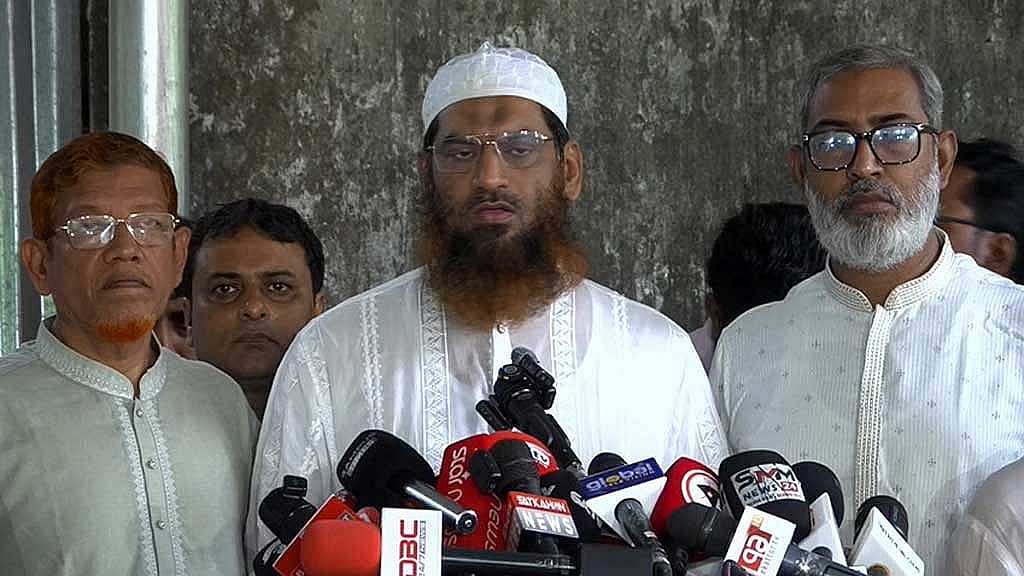
Akram rejected that account.
“There were no conditions in our meeting. It was a friendly discussion,” he said.
Will Other Parties Be Invited?
The prime minister may hold similar meetings with other political parties, two BNP leaders said.
Tarique spoke with opposition leader Shafiqur Rahman in parliament on Wednesday. It remains unclear whether he will hold a separate meeting with Jamaat.
Porwar told bdnews24.com on Monday night that Jamaat had not received an invitation.
“We have not received any invitation so far. If we do, we will sit as an 11-party alliance and decide what to discuss and what can be done,” he said.
A Jamaat leader said the 11-party alliance might meet after Shafiqur returns from a six-day trip abroad.
A ruling party leader said Tarique could also meet representatives of the Revolutionary Workers Party, Ganosanghati Andolan, Nagorik Oikko and BaSad.
As of 8pm on Monday, however, there was no confirmation that those parties had received invitations.