Published : 23 Nov 2026, 11:32 PM
Updated : 23 Nov 2026, 11:32 PM


Astronomers believe they are closer than ever to finding an unseen planet hiding at the outer edge of our solar system.
Using computer simulations, researchers have mapped how the theoretical world -- nicknamed Planet X2 -- would look and behave beyond Neptune, according to The Independent.
Distinct from the massive Planet Nine theory, Planet X2 is estimated to be 1.5 to 2 times Earth’s mass, orbiting 200 to 500 times farther from the Sun than we do.
By simulating 4.5 billion years of solar system evolution, the team showed this unseen world explains the strangely tilted orbits of distant icy bodies like Sedna, says The Independent.
Lead researcher Patryk Sofia Lykawka said confirming its existence could reshape our understanding of solar system history.
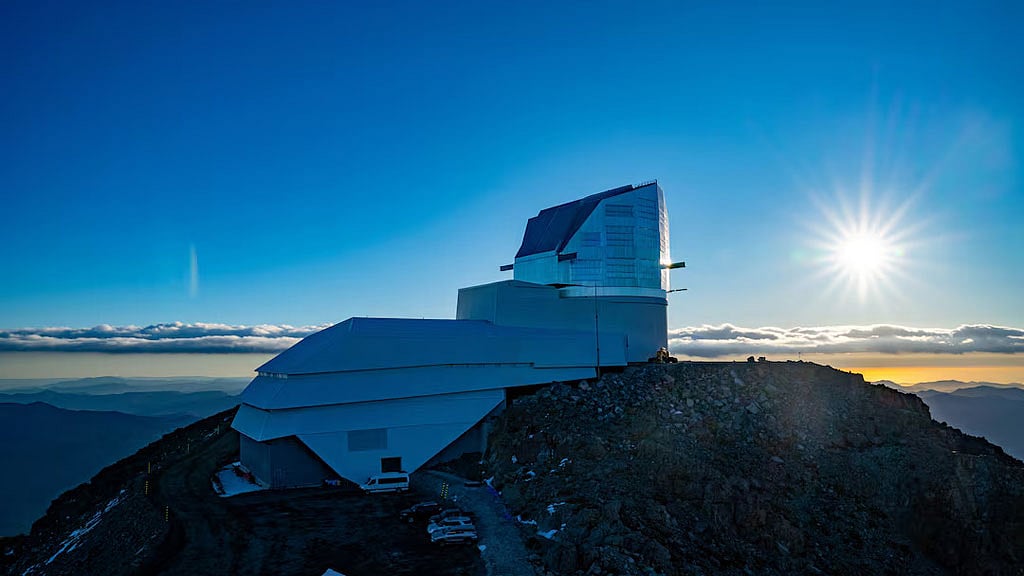
Astronomers now plan to test the model using sky surveys from the Vera C Rubin Observatory, with the findings published in Monthly Notices of the Royal Astronomical Society.