Published : 26 Jun 2023, 05:03 AM
Updated : 26 Jun 2023, 05:03 AM


Five decades ago, on Jul 17, 1971, US President Richard Nixon declared a War on Drugs stating that drug abuse was ‘public enemy number one’. Five decades later, America and the whole world is still waging this war.
Drug abuse is a major problem in the world. An estimated 90 million drug users are there in the world, and it’s increasing at alarming rates. These are mostly used by young adults under the age of 30, sometimes children are also drug abusers.
Long-term drug abusers suffer from one or more health problems like damaged immune system, serious cardiovascular conditions, stroke and cancer. It’s also associated with mental disorders. Cognitive disability, apathy, withdrawal, and other psychosocial dysfunctions are also frequently linked to drug abusers. The impact becomes severe with time.
It doesn’t only affect the individual. It destroys families. Living with someone with an addiction is a daily challenge faced by each person in the home. Family members are also affected: mentally and financially. At the same time, they might be physically affected as drug abusers may become violent. Parents with addiction may cause growth defects in unborn babies. Users may lose jobs affecting family members. They may get involved in other anti-social activities, including theft, to buy drugs and ultimately land in trouble with the law.
Communities are also affected as drug abusers may land up in drugged driving, violence, and child abuse.
One of the main causes of drug use is peer pressure. Other causes include physical and sexual abuse, early exposure to drugs, stress, curiosity and lack of parental guidance.
Sadly, street children also become drug abusers with the objective of relieving stress, group recognition, desire to be trusted by peers, etc. These children get involved in fighting and stealing and are affected by mental illnesses. Once affected, the users have the tendency to influence others too. As mentioned earlier, peer pressure works fast and more, and more people get addicted.
Illegal trafficking helps the easy flow of drugs in the drug market and makes it easier for users. It has become a major problem worldwide. East Africa and the entire African continent is a growing market for illicit drugs. Furthermore, frequent international flights, inadequate trafficking controls, and corruption among customs have worsened the situation.
One of the most harmful and dangerous organised crimes is the illegal drug trade contributing to the black market. It consists of production, distribution, packaging, and sale of illegal substances. Organisations called drug cartels conduct this trade. Cartels are very powerful and have political influence as they are able to bribe and blackmail politicians. It’s a multi-billion-dollar business, and the United States is one of its largest markets.
Drug trafficking increases weapons trafficking because weapons are needed to protect and enforce the drug trade. As the need for drugs rises, the need for weapons rises and creates a web of malevolent practices.
The violent cartels create a sense of fear among people so that no one gets in their way. If people don’t comply with the cartels’ wishes and demands, they face severe consequences creating fear in the entire community.
Both drug abuse and illicit trafficking destroy people of any society, community or country with any level of age or education. Billions of dollars are spent trying to keep it under control.
According to a World Drug Report, 35 million people worldwide suffer from drug abuse disorders. While only 1 in 7 people receive treatment. In 2017, about 585,000 people died from drug use.
Millions around the world inject drugs leading to them being affected by HIV and thus suffering from hepatitis C. Sadly, the situation is getting worse. Preventive and treatment measures continue to fall short globally.
In Bangladesh, drug addiction is prevalent both in rural and urban areas. Practically all segments of society are severely affected. According to a report published by the National Library of Medicine in 2021, approximately 2.5 million Bangladeshis are addicted to drugs, and 80% are adolescents and young people 15–30 years of age. These groups come from different socio-economic backgrounds.
In some recent reports in different dailies of Bangladesh, the statistics show that in 2020, the approximate number of drug users in Bangladesh was 7.5 million, among whom 65% were between the ages of 15. Moreover, during the pandemic in 2021, the number increased to more than 8 million. These drug users are youths between the ages of 15 to 35.
Though it’s difficult to estimate the exact number of users, there is no doubt that it’s increasing at an alarming rate.
Yaba, heroin, cannabis, marijuana, phensedyl and pethidine injections are the most commonly abused drugs in Bangladesh. In recent times, a number of new types of narcotics like crystal meth, magic mushroom and MDMA have found their way into the country. These are allegedly trafficked from Myanmar and India.
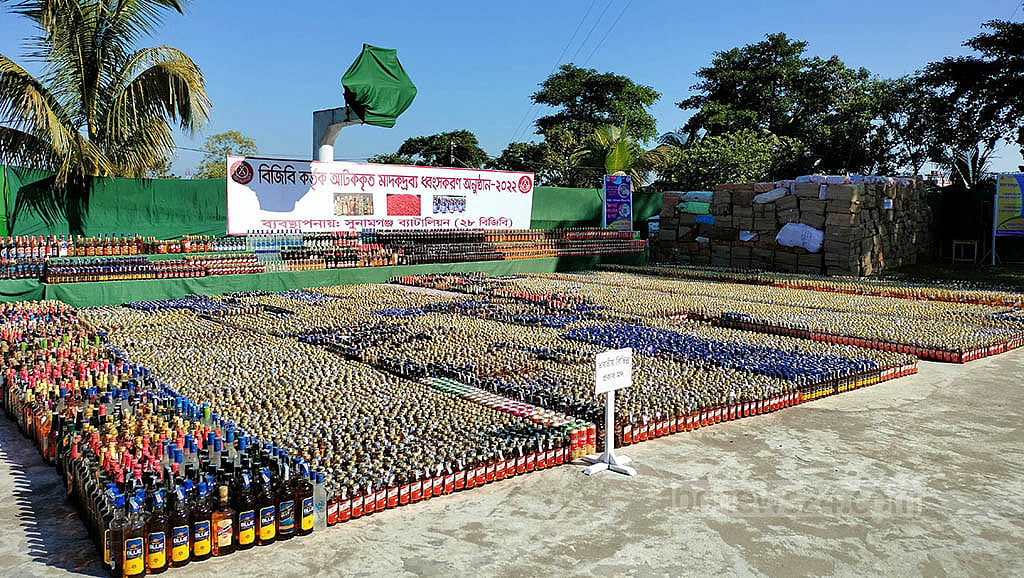
Despite tough vigilance, smuggling has increased due to the fact that smugglers are now using new techniques by using the dark web and applications that give coded information to place orders from abroad and communicate with suppliers. The absence of proper access to technology for enforcement agencies is one of the main reasons behind the failure.
It’s estimated that about 10 percent of the total smuggled goods are seized by law enforcers, and 90 percent flood the market.
Sadly, statistics show that 58 percent of street children use drugs. Being vulnerable, 21 percent of the child users are also used by drug dealers as carriers of drugs. Women are also used in transporting drugs.
It’s vital for law enforcement agencies to reinforce guarding of the country’s border and coastal areas to prevent drug trafficking and regularly conduct anti-drug operations.
Drug Trafficking has to be stopped to minimise its use.
The war against narcotics requires combined efforts. Law enforcement agencies and the Department of Narcotics Control must perform their responsibilities sincerely. Society also needs to gear up vigilance. Parents, relatives, teachers, and healthcare professionals all have to play an important role in educating children about the deadly consequences of drug abuse and addiction.
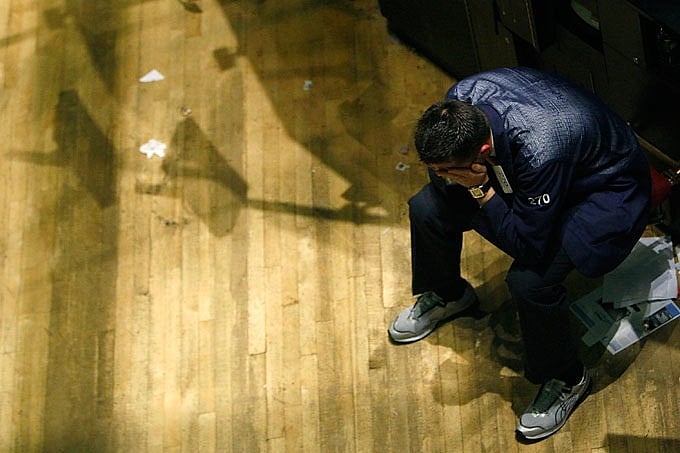
International Day against Drug Abuse and Illicit Trafficking is observed every year on Jun 26 to create awareness about the serious negative impacts of drug abuse and to seek international support in order to combat this curse.
The United Nations General Assembly took the decision on Dec 7, 1987, to observe Jun 26 as the International Day against Drug Abuse and Illicit Trafficking. This day was chosen because it coincides with the date of the dismantling of the opium trade in Guangdong in 1839. The day was first observed on Jun 26, 1989.
The theme of International Day Against Drug Abuse and Illicit Trafficking of 2023 is: ‘People first: stop stigma and discrimination, strengthen prevention.’
Drug problem is a complicated issue and affects millions of people around the world. Drug users sometimes face stigma and discrimination, which harm them physically and mentally. It further aggravates the situation, as they feel disinclined to get the help they need.
‘The United Nations Office on Drugs and Crime (UNODC) recognises the importance of taking a people-centred approach to drug policies, with a focus on human rights, compassion, and evidence-based practices.’
The aim of this year’s campaign is to raise awareness about the negative impacts of stigma and discrimination and the importance of treating drug users with respect and empathy; promote language and attitudes that are respectful and non-judgmental; raise awareness about AIDS and hepatitis epidemics and expand prevention programmes for these health issues; prioritise and empower young people and communities to prevent drug use and addiction; educate people about drug use disorders, spread information on available treatments and the importance of early intervention and support; and promote voluntary services for users.
Let’s be the beacon of light today and lead those affected with empathy and compassion.
Prevention is better than cure. Let’s wage war against drug dealing and illicit trafficking.
[Tasneem Hossain is a multilingual poet, columnist, op-ed and fiction writer, translator and training consultant. She is the Director of Continuing Education Centre, Bangladesh.]
References:
1. International Day against Drug Abuse and Illicit Trafficking, United Nations office on Drugs and Crime.
2. Substance use behaviour and its lifestyle-related risk factors in Bangladeshi high school-going adolescents: An exploratory study, National Library of Medicine, 21 July 2021
3. Mufassir, MD Rashid, Control the alarming drug problem before it’s too late, The Independent, 25 January 2022.
4. Hodge, Jamila, Fifty Years Ago Today, President Nixon Declared the War on Drugs, Vera, 17 June 2021.