Published : 15 Nov 2026, 12:53 AM
Updated : 15 Nov 2026, 12:53 AM


Khulna was once known as a city of calm. Now, residents say, gunfire has become so routine that fear no longer waits for nightfall.
Armed gangs and extortionists have tightened their grip, leaving even the police looking powerless.
“We, the people of Khulna, are not doing well. The city’s residents have become hostage to a few terrorist groups and extortionists,” says Nazrul Islam Manju, administrator of Khulna City Corporation.
The former Khulna-2 MP says people are paying quietly, from hundreds of thousands to millions of taka, for fear of their lives. “The situation is extremely frightening. Who will ordinary people complain to?”
Seventy-one people were killed in Khulna city and district between January and October; six more died in the first week of November, taking the toll to 77. At least 35 attempted murders were also reported in the district over 10 months.
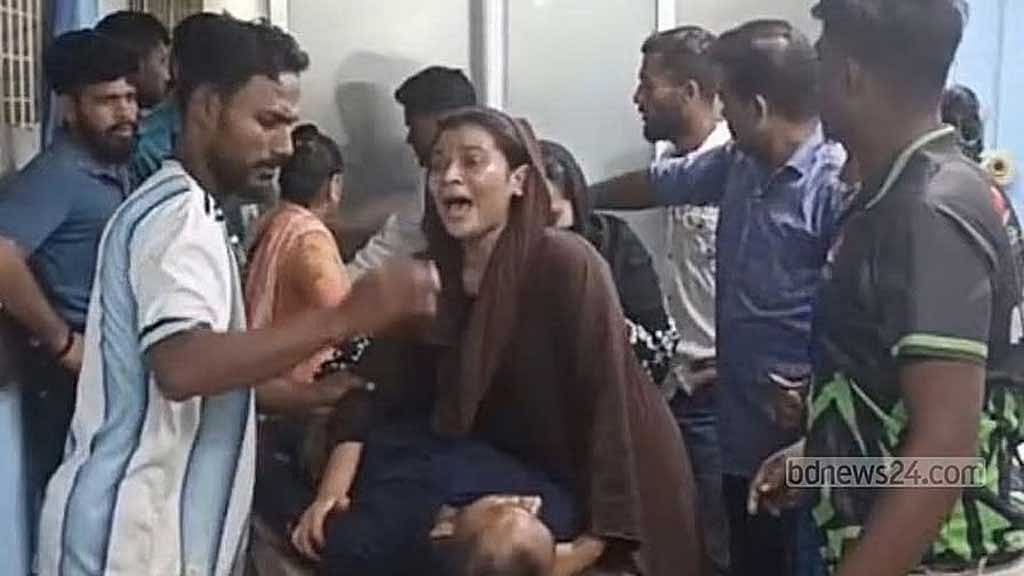
Advocate Kudrat-e-Khuda, Khulna district secretary of Citizens for Good Governance (SHUJAN), blames a “failure in the police’s performance of their duties” for the deterioration.
“Khulna was once known as a peaceful city. The way one murder after another is happening now was unimaginable. Terrorist groups have created fear and anxiety among everyone. Guns are firing before words. This is creating panic among the public.”
Mohammad Ahaduzzaman Mia, deputy commissioner of metropolitan detective police, accepts that law and order have deteriorated, but offers another explanation.
“Most murders are linked to drug-related disputes. Police are arresting listed criminals. But many get bail and become reckless again. Ordinary people also do not want to speak against criminals. That is a big problem.”
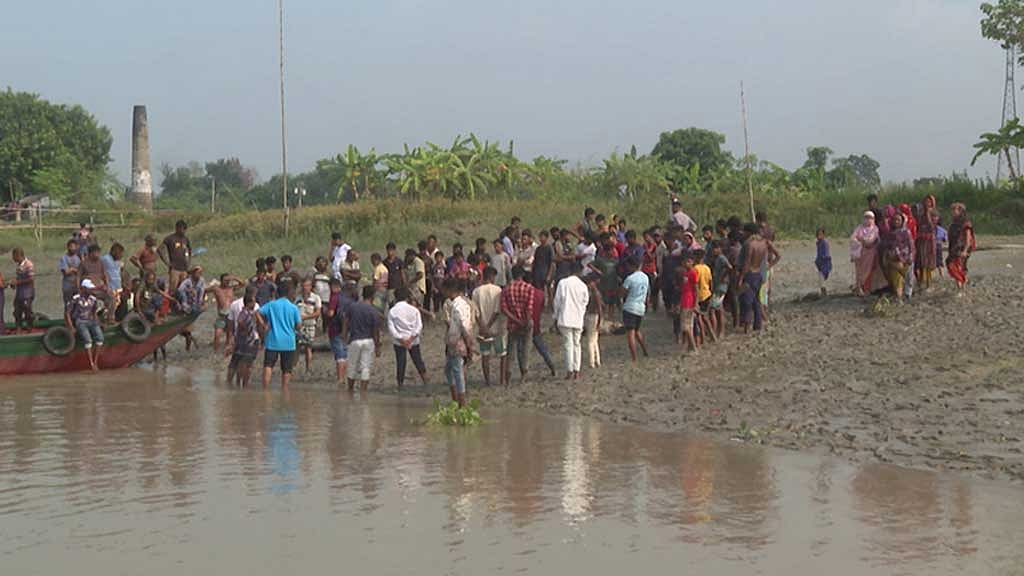
A City on Edge
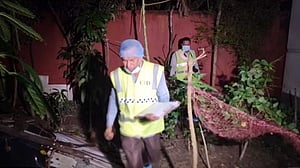
On the morning of Oct 22, a young man was shot dead in East Baniakhamar. That evening, housewife Khushi Akter was gunned down near her home in Jinnahpara. Police initially suspected drug-trade disputes in both cases and investigated whether they were connected.
Extortion has emerged as another pervasive menace. The intimidation is not confined to street corners: doctors, clinic operators, shopkeepers and families building homes say they are being forced to pay or abandon their plans.
Many choose silence over a police complaint, fearing retaliation and doubting that the authorities can protect them today.
“B Company” demanded Tk 30 million from a doctor near Commerce College. Afraid to report it, he shut his chamber and went into hiding. Another doctor fled to India after being threatened; a third is in hiding over a large demand.
Sandhani Clinic was allegedly asked for Tk 100 million. After vandalism and gunfire, its authorities reached a settlement with B Company for Tk 10 million. They did not dare file a case; Sadar police later brought one themselves.
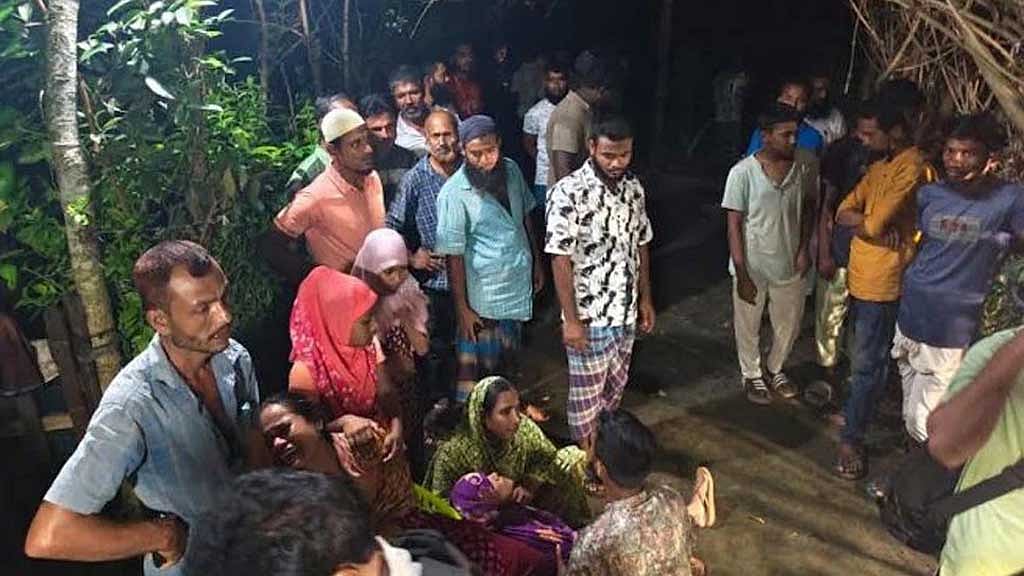
Dr Mostafa Kamal, district vice-president of the Bangladesh Private Clinic and Diagnostic Owners Association and Khulna city president of Doctors Association of Bangladesh (DAB), says: “We are concerned. In the past month, terrorists have openly attacked and vandalised at least five private healthcare institutions in the city over extortion demands.”
Retired banker Ismail Hossain says extortionists have taken over every part of the city. When his daughter and son-in-law returned from Italy three months ago and began building a house near Mostar Mor, a group demanded Tk 1 million. “To save our lives, we stopped the work.”
A kindergarten owner in Boyra says he spends much of the day and night in hiding after a group claiming to be criminals demanded a large sum about a month ago.
He would not name the group, disclose the amount or identify himself. Asked whether he had complained to police, he replied: “Would that do any good?”
The fear has reached the police, too.
In October, an inspector was seriously injured in a robbery attack while returning home after an operation in Rupsha. Superintendent Sarkar Omar Faruk said an instruction for personnel not to travel alone at night was intended to protect them.
Victims Too Afraid to Speak
The era of notorious gangsters Ershad Shikder and Asaduzzaman Litru may have passed, but the system they represented persists, with allegations that powerful figures help criminals secure bail.
Public prosecutor AKM Shahidul Alam says: “We present the criminals’ activities before the court. The accused try to get bail from lower and higher courts. In the meantime, they get bail from one court or another.”
Police Deputy Commissioner Rezaur Rahman says victims’ reluctance to file cases or cooperate with police, alongside rapid bail, makes crime control difficult.
Khulna-2 MP and Jamaat-e-Islami leader Sheikh Jahangir Hossain Helal calls Khulna “a dead city”. “As across the country, extortion, drugs, juvenile gangs and murders are happening in the Khulna region.”
He says twin murders occurred during Prime Minister Tarique Rahman’s visit to Khulna days earlier, while businesses and ordinary people face regular extortion.
“Businesses are shutting their shops. Many are too afraid even to complain. Though law enforcement agencies and various government bodies are there, the situation is not being effectively handled.”
Turf Wars over Drugs
Police repeatedly cite disputes over drug trafficking as a driver of recent killings. Nine groups are active: B Company, Palash Group, Nur Azim Group, Ashik Bahini, Huma Bahini, Tenki Shawon Group, Arman Group, Shakil Group and Nasim Group.
A double murder at Khulna court premises on Nov 30, 2025, illustrates how such disputes turn deadly. Hasib Howlader and Fazle Rabbi Rajan were killed there.
Police filed charges against 13 people on Nov 4 this year, alleging the killings stemmed from drug trafficking, extortion, territorial rivalry and old enmity. The accused were described as members of a criminal group.
Guns, Networks and Impunity
Police officers say drug groups supply their dealers and associates with motorcycles, monthly salaries, commissions and firearms.
Disputes over the trade can quickly become armed clashes; easy access to weapons makes criminals more brazen. Law enforcement suspects guns are smuggled across the border.
Police recovered 78 firearms in Khulna city and district from January to October: 52 by metropolitan police and 26 by district police.
District police chief Sarkar Omar Faruk said rivers surrounding the city allow criminals to move swiftly from one area to another, making arrests after crimes difficult.
Joint operations have begun in Rupsha, Dighalia, Terokhada and Batiaghata to curb drug trafficking and recover illegal weapons.
Some gang leaders, police say, direct operations in Khulna from India, Singapore and Dubai, communicating with members through Telegram.
Nistar Ahmed, commander of Special Response Battalion-6, says: “The use of illegal weapons has increased in Khulna. These weapons are coming through border areas. We are continuing operations to arrest these criminals and break their networks.”
Describing Rupsha, Batiaghata, Dighalia and Terokhada as “danger zones”, district police chief Faruk says special operations have been intensified, with priority given to drug control and illegal weapons recovery.
Inspector General of Police Ali Hossain Fakir visited Khulna police lines on Oct 24. At a civic gathering, he said: “Extortionists are either criminals or connected to some kind of power. No one wants to testify against them out of fear; they do not even want to file complaints at police stations.”
He added: “Some criminals are being killed, while some criminals are killing others. This has created panic among the people. No political party will be considered when action is taken against criminals. Criminals will be brought to justice through technology-based investigations.”