Published : 23 Aug 2018, 01:16 PM
Updated : 19 Oct 2022, 02:18 PM


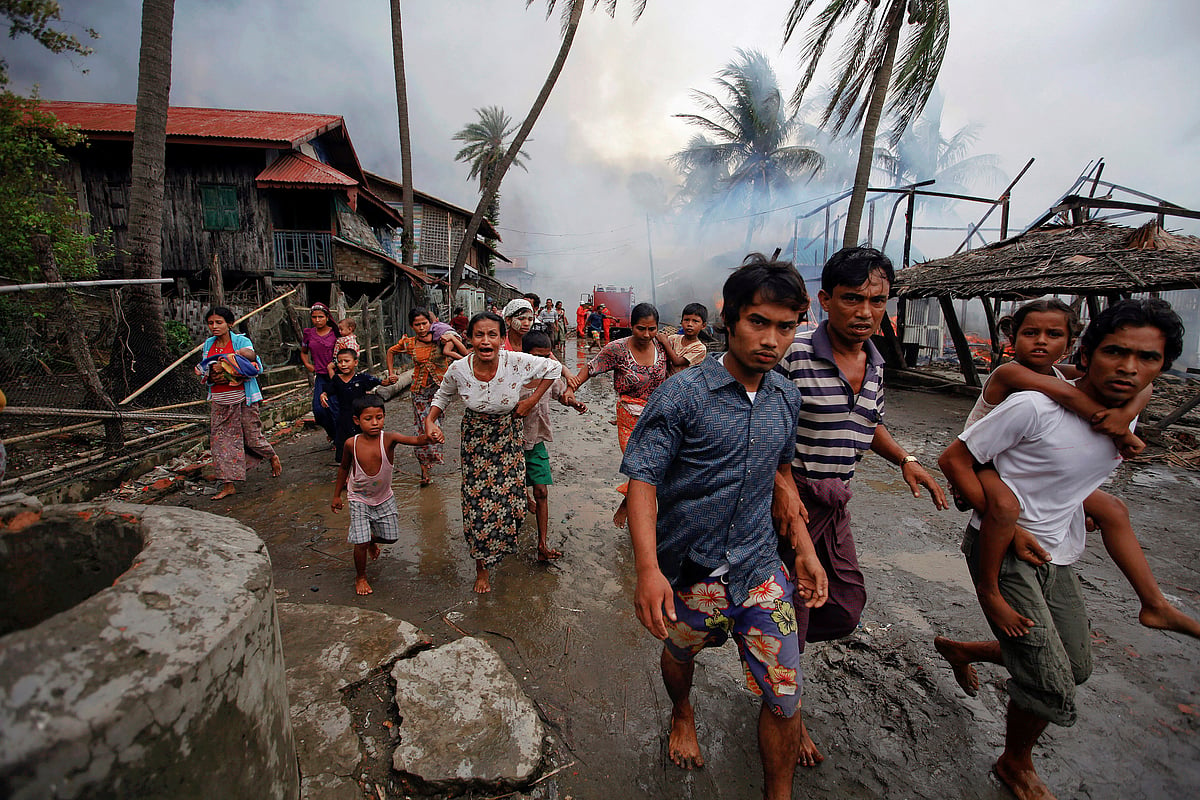
“The torture of Rohingya returnees puts the lie to Myanmar government promises that refugees who return will be safe and protected,” said Phil Robertson, deputy Asia director in HRW while stressing the need for reinforcement of international protection, including United Nations monitors on the ground, before the Rohingyas are able to return home.
Despite Myanmar’s guarantee for a safe and dignified return, the Rohingya returnees still face the persecution and abuses they were forced to flee, Robertson said in the statement.
“The treatment of these Rohingya refugees should be a warning sign to those who believe the Myanmar authorities are ready to ensure safe returns,” Robertson said. “Myanmar has a long way to go before it can demonstrate it is serious about making the necessary reforms for voluntary, safe, and dignified returns.”
Six Rohingyas who fled to Bangladesh in 2017 to escape the Myanmar army’s ethnic cleansing campaign told Human Rights Watch that Border Guard Police (BGP) apprehended them at different times when they returned to Rakhine State to earn money before going back to Bangladesh.
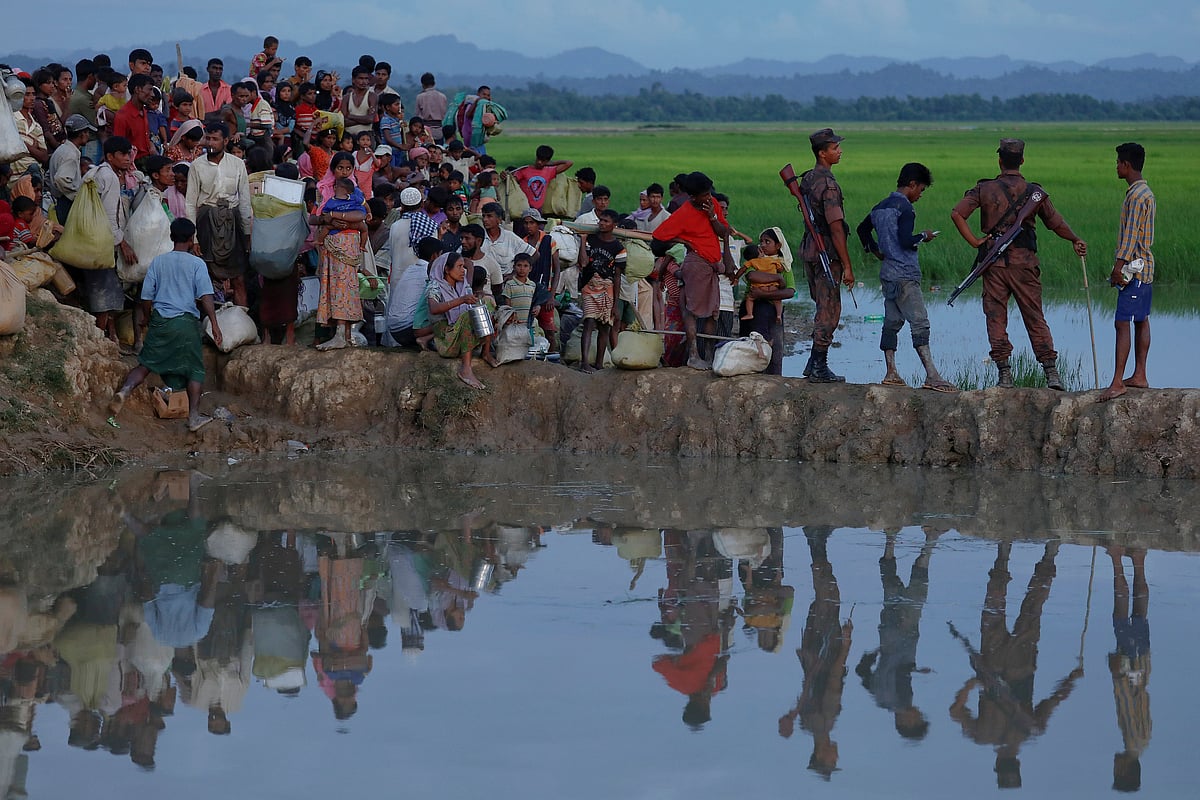
File Photo: Rohingya refugees who fled from Myanmar wait in the rice field to be let through after after crossing the border in Palang Khali, Bangladesh Oct 9, 2017. Reuters
The government pardoned them after a month along with several dozen others and presented them to visiting journalists on Jun 1, 2018 in an attempt to show that they were treating Rohingya well and that it was safe to return. Following the visit, the six fled to Bangladesh.
Six Rohingya men and boys interviewed by the HRW said that BGP officers repeatedly interrogated them at gunpoint about the Arakan Rohingya Salvation Army or ARSA militant group. They were taken into custody at different times and in different locations in Maungdaw township.
The officers used stress positions; beatings with fists, sticks, and rods; and burning and electric shock to force them to confess to an affiliation with ARSA, said the Rohingyas. They also complained of lack of clean water, sanitation and inadequate food, no legal counsel, and legal proceedings conducted in Burmese, a language they barely understand while detained.
“They burned a plastic bag and let the hot plastic drip onto my body. They also took a heated iron bar and branded my legs, pressed burning cigarettes to my skin, poured hot wax from a burning candle on my skin, scratched my body with blade, and hit me with rod and sticks,” said Rahmat, 17 (not his real name).
Another interviewee Ahmed, 17, (pseudonym) said he was hung upside down and beaten repeatedly by the interrogating officers who demanded that he confess of being a member of ARSA.
“At first, they kicked me in my chest and thigh and then they used electric shock to make me tell them I was an ARSA member, but they could not make me give a false confession,” Lokman, (pseudonym), 24, another Rohingya returnee said while describing the torture on him.
Human Rights Watch observed scars and burns consistent with the described acts on the bodies of those interviewed.
Each of the three Rohingya returnees who spent four days in custody were given two servings of fish paste (ngapi) per day and approximately 250 milliliters of dirty water, they said.
After a court sentenced them in groups to four-year prison terms, the authorities transferred them to Buthidaung prison in Maungdaw town, along with hundreds of other mostly Rohingya prisoners.
On May 23, the Maungdaw district administrator announced to dozens of Rohingya prisoners that President Win Myint had pardoned them and that they would be given a National Verification Card or NVC and released.
The NVC is an identity document many Rohingyas reject calling it ‘undermining their claim’ to Myanmar citizenship.
The officials took 62 Rohingyas in total to the BGP compound in the village tract of Nga Khu Ya forcing them to accept the NVC and threatening them with re-arrest if they tried to leave the compound.
The group was then transferred to Hla Poe Kaung transit camp, where on Jun 1 government officials led media organisations on an organised government trip to see the 62 recently processed Rohingyas.
Win Myat Aye, the minister of social welfare, relief and resettlement, told the returnees they would be provided with money to rebuild their homes and humanitarian aid, and would be able to bring their families from Bangladesh.
The six refugees told HRW that they were told what to say to the media and one teenage boy said that a BGP official interrupted him and halted an interview when the boy moved from these instructions.
When the media delegation left, the BGP placed the Rohingya under guard and told them they were not allowed to leave Hla Poe Kaung. Fearing they would be re-arrested and tortured, two groups, including those Human Rights Watch interviewed, fled back to Bangladesh.
The government spokesperson Zaw Htay, Director General of the State Counsellor’s Office was unavailable to comment after repeated attempt by the Human Rights Watch.