Published : 04 Oct 2026, 02:05 AM
Updated : 04 Oct 2026, 02:19 AM


For nearly four decades, Toufique Imrose Khalidi moved through Bangladesh’s changing media landscape with an unusual certainty about what journalism should be.
He expected precision in language, accuracy in information and discipline in the construction of a report. He also believed strongly in his own ability.
Facts had to be presented without adulteration, sources had to be named, and the newsroom had to be protected from interference.
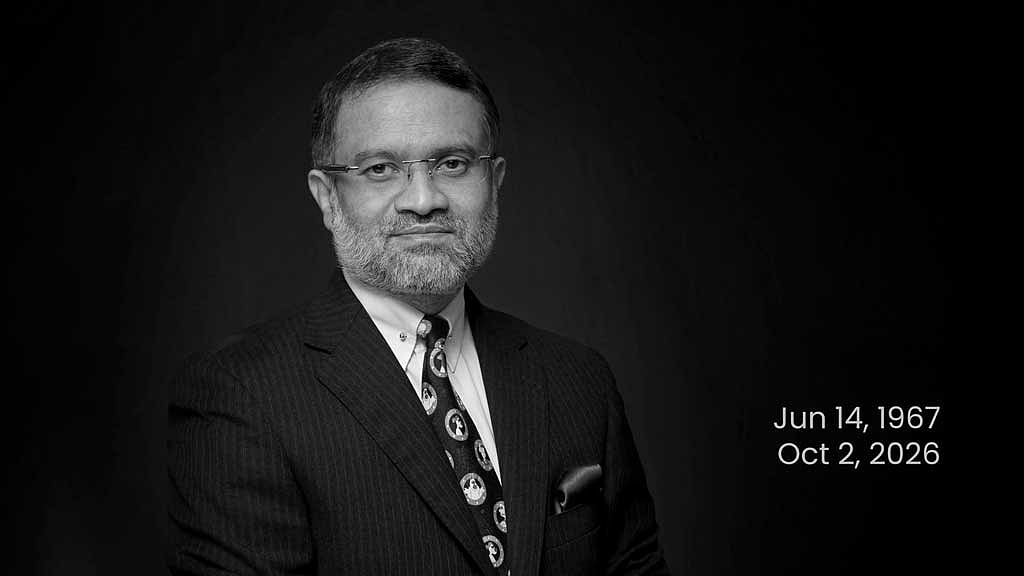
Khalidi, the editor-in-chief of bdnews24.com, died at 59 after helping reshape how Bangladesh produced and consumed news.
When Khalidi died suddenly in London, friends and former colleagues found themselves remembering not only the digital platform he helped build, but the personality behind it -- demanding, confident, sometimes difficult, but deeply committed to his craft.
Senior journalist Mozammel Hossain sees that combination as what made Khalidi distinctive.
“Our consolation is that Toufique firmly faced this adversity while remaining principled -- without trying to hide anything and without taking the path of compromise.
“Taken together, Toufique was an extraordinary figure in journalism of our era. As human beings, everyone certainly has weaknesses; he had his successes and weaknesses too. But overall, among our circle of friends, Toufique was an extraordinary professional and an extraordinary editor.”
Khalidi became seriously ill after suffering a brain haemorrhage while on a private visit to London. He was taken to St Bartholomew’s Hospital, where doctors declared him dead at 2:23pm local time on Friday.
His career had taken him through The Daily Star, The Financial Express and the BBC World Service before he devoted much of his later working life to bdnews24.com.
He joined the BBC World Service in London on Feb 5, 2000, and remained there until Jun 30, 2005, producing and presenting news and current affairs programmes.
He prepared special reports on major international events, worked on features and business and economic programmes, and presented the widely followed Debate.
Mozammel, who had known him professionally for about three decades, called his death painfully premature.
“I would call it an untimely death. You could say he left suddenly when the sun of his professional life was at its zenith, when he was in the middle of his working years. It is extremely sad.”
He had known Khalidi since his days at The Daily Star.
“He was working at The Daily Star when I first came to know him.”
Building What Came Next
Mozammel says Khalidi’s most important achievement is recognised by both admirers and critics: he was a pioneer and principal builder of Bangladesh’s online news industry.
“Before that, he had worked at The Daily Star and the BBC, working professionally as a journalist. But later, a large part of his life was devoted to building this new technology-based, new kind of media.”
BDNEWS itself had begun with another journalist, Alamgir Hossain. But Mozammel says Khalidi transformed it when it came into his hands.
“This BDNEWS was started by another friend of ours, Alamgir. But he could not take it very far. Then it came into Toufique’s hands and was rebuilt. Its entire structure changed, its institutional framework was created, the foundation for professional excellence was established, and a workforce was built. People began to understand its potential.”
The transformation unfolded alongside Bangladesh’s established Bangla and English newspapers, but the new platform quickly demonstrated what digital publishing could do.
“This medium, as we know, is textual, auditory and visual, and readers and users can communicate and interact with it. Our Toufique was able to make full use of all these aspects and build it with tremendous success.”
Khalidi himself once described what he saw as one of the medium’s most important contributions.
“Bangladesh’s journalism has deeply embedded objectivity. Now no one can simply produce reports based on stories and gossip.”
For Mozammel, the idea went beyond neutrality. It was about presenting information without distortion.
“I want to mention one particular aspect of him. People say the media should be neutral. I myself often say it is not neutrality; the proper word is objectivity.
“In other words, the news must be true, accurate and pure. There can be no adulteration in the information contained in a report. Toufique Imrose Khalidi stood absolutely straight-backed and firmly by this fundamental principle of journalism throughout his life. In other words, he properly followed and understood the grammar of journalism.
“But again, he himself said that being objective did not mean he had no commitment. My commitment is to the Liberation War, Bangladesh’s independence, and the history, dreams, ideals and spirit of that Liberation War. We are committed to those things. In that sense, we are not neutral.”
Mozammel says personal political views need not undermine professional conduct.
“Journalists can have political opinions. But those opinions must not interfere with the journalist’s primary task -- the pure presentation of information. Everyone has opinions.”
“If you can do that, then both tasks can be fulfilled successfully. And Toufique demonstrated this under different governments and through different political upheavals. That is a major achievement for us.
“And his passing at this time is deeply painful, a great loss and the cause of a void.”
Conviction under Pressure
Khalidi was preparing to mark 20 years as editor-in-chief of bdnews24.com on Oct 23, but he would not live to see the anniversary.
The preparations coincided with memories of one of the most difficult periods of his later career: a five-year legal battle over a case filed by the Anti-Corruption Commission.
Mozammel says Khalidi confronted the dispute without compromising.
“We can still see that one of the struggles and hardships of his later life concerned the financial affairs of the organisation, and there is criticism of him over it.
“We know that after the announcement that he was receiving an investment of Tk 500 million from a particular organisation, a crisis arose in his case. We do not know all the details. But he faced it. And in facing it, he did not compromise or try to please anyone; he remained very principled in this respect as well.”
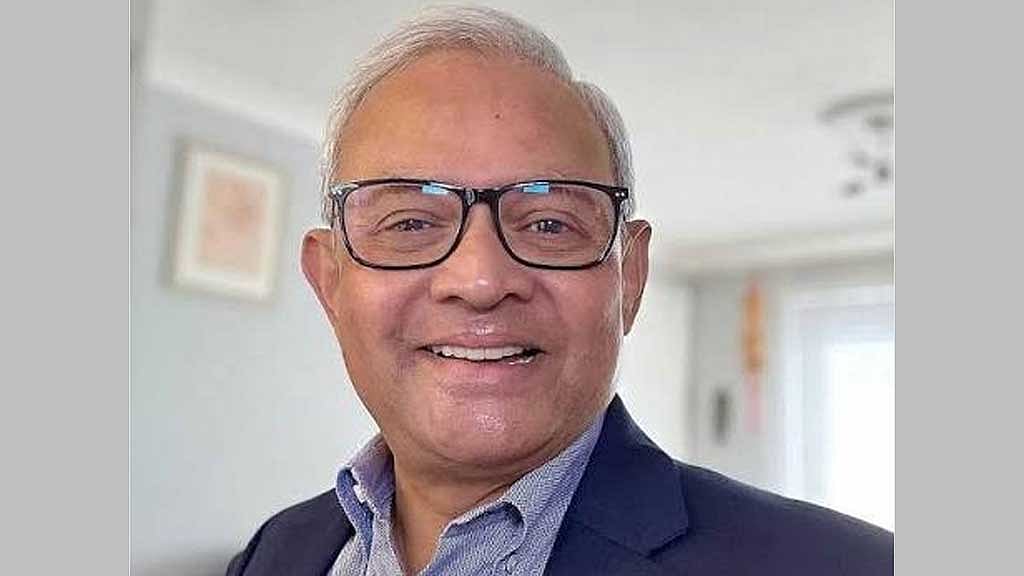
Khalidi wrote an article about the case titled “Shudhu Sangbadikotai To Korechhilam!” (All I did was journalism!) Mozammel considers it a “masterpiece”.
“Because in that piece he presented his principled defence of himself with tremendous firmness.
“And after suffering greatly for more than five years, he was freed. We may not know everything that happened behind the scenes, but we know this much: the ACC had to prove its case, but he was made to suffer for five years and the case ended without the ACC being able to prove it.”
Mozammel says the proceedings themselves could become a source of pressure.
“It means: ‘Give us an account of your assets, give us your bank statements, your bank account will remain frozen, we do not know how you will survive or run your organisation, and you will have to appear regularly’. These are forms of harassment.
“So when it ended without being resolved, without being proved, and the case ultimately did not remain, there was no compensation for him, no consolation.”
The Confidence That Set Him Apart
Khalidi’s self-assurance was a recurring theme in conversations with former colleagues.
Sabir Mustafa, who worked with him at The Daily Star, The Financial Express and BBC Bangla, first knew him as a reporter at The Daily Star, where Sabir was an assistant editor.
“I saw him as a dedicated reporter -- the kind of reporter a journalist should be.
“He had an extraordinary ability to find stories, develop sources and maintain sources. Those are essential qualities for a reporter.”
Khalidi also wrote very well in English, Sabir says, and carried a strong belief in his own ability.
“He had this confidence about himself that he was better than most.
“Many people saw this confidence as arrogance. Those who actually knew they were not better than him were jealous of him. So I have been seeing this comment on Facebook lately: ‘He thought too highly of himself’. He thought highly of himself because he was confident about his ability. And he had a standard.”
Sabir saw that same insistence across the three organisations where they worked together.
“In every place, I saw him trying to maintain a high standard in every aspect of his work -- in language, the structure of the news, information, the accuracy of information. He maintained a very high standard in every respect.
“So naturally, when others did not maintain that standard, he was not happy. He expected everyone around him to maintain that standard. That is why many people misread him as arrogant.”
Sabir puts it more simply: “He was not arrogant. He maintained a standard. He wanted his colleagues to maintain that same standard.”
He believes that approach became central to what bdnews24.com achieved.
“He was able to introduce quality, high-standard journalism there. In terms of language and the essential accuracy of news, he would never accept work below standard.
“That was his plus point, and that was also why some people saw him in a negative light. If you do not have your own standards, how can your organisation have standards?”
That discipline, Sabir says, helped win the confidence of readers, particularly Bangladeshis living abroad.
“People trusted [bdnews24.com] because of the quality of its reporting.
“If you do not have quality, people will not trust you. It does not matter which country or which language you are working in; you have to produce quality output to earn people’s trust. And [bdnews24.com] under Toufique did that.”
Sabir, now a columnist for bdnews24.com, separates that record from the difficulties the organisation later encountered.
“The problems that later arose at [bdnews24.com] happened for other reasons, not because of its quality. They happened for political reasons, during the Awami League period and later as well. But that is different.”
‘Very Competent’, ‘Very Confident’
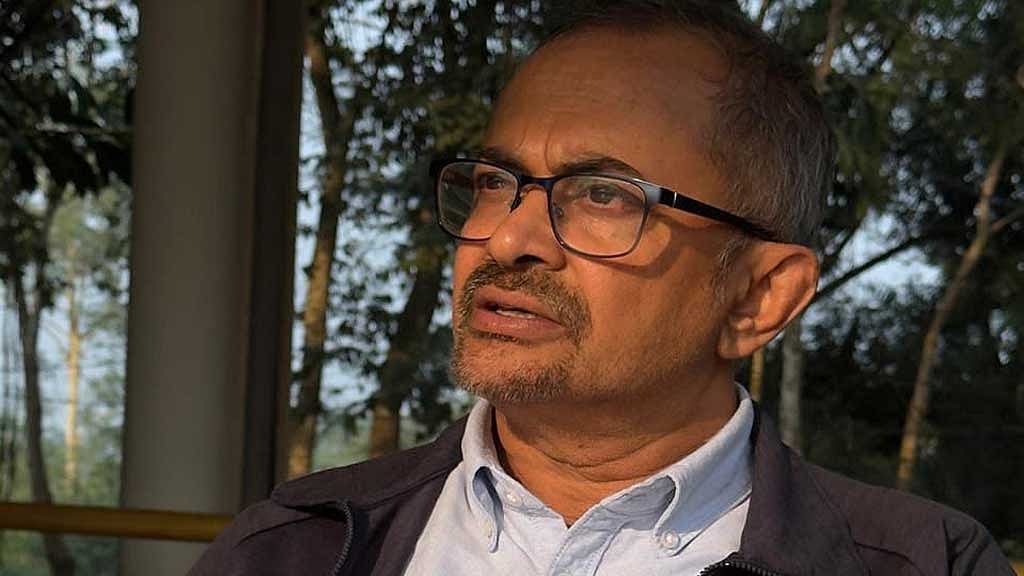
Shakeel Anwar, who worked with Khalidi at the BBC and The Daily Star, remembers not only his ability but the certainty with which he approached his work.
“He was a very competent journalist -- very capable at what he did.
“He was very confident, extremely confident. I saw how completely assured he was in what he did and what he knew.”
Shakeel joined the BBC in 1998, two years before Khalidi arrived. Khalidi left the BBC in 2005 and took charge of bdnews24.com in October 2006.
They had known each other since The Daily Star, but became closer later.
“But after he came here, he became a colleague, he became kind of a friend. We had family contact. I would go to his house, and he would regularly come to mine.”
Shakeel describes him as a courteous man and a loyal friend.
“As a friend, he was very good. I mean, he was prepared to do anything for his friends, like that.”
That certainty, however, could also create friction.
“One reason was that he had this thing inside him, since he was very confident about what he was doing.
“And there was this sense, as they say, that nobody else knows anything, I know better. And what I know is the best. Because of that, there was friction with many people from time to time.”
Shakeel recalls speculation about why Khalidi left the BBC.
“There was discussion among us about why he left.
“One possibility may have been that he felt ‘it is too small a place for him’. Probably he wanted to do something big. Because the work BBC Bangla did was not that huge; we did not cover Bangladesh in that way. We did many things. Perhaps he wanted some kind of leadership. He wanted to do something himself, that is my impression.”
Missing his only son may also have influenced the decision.
“He would sometimes say that he missed his son, who was very young then. That could have been another personal reason.”
For Shakeel, the creation and survival of bdnews24.com represent a major achievement.
“If the history of news portals in Bangladesh is written, [bdnews24.com] will certainly be an example. It has been running successfully for so long. It has continued despite many problems in between, including issues with the government over ownership and such matters.
“But even so, the fact that it has continued to run successfully and become an established digital news platform is an extraordinary thing. So I think it is a huge success. That success and that transformation happened through his hands.”
From Reporter to Builder
Khalidi joined The Daily Star in 1991 as a diplomatic correspondent under editor Syed Mohammad Ali and stayed for about two years. After working at The Financial Express and elsewhere, he returned to The Daily Star in 1997, by which time Mahfuz Anam was editor.
He remained there until January 2000, serving in several positions including joint news editor and head of the Business and Economics Desk.
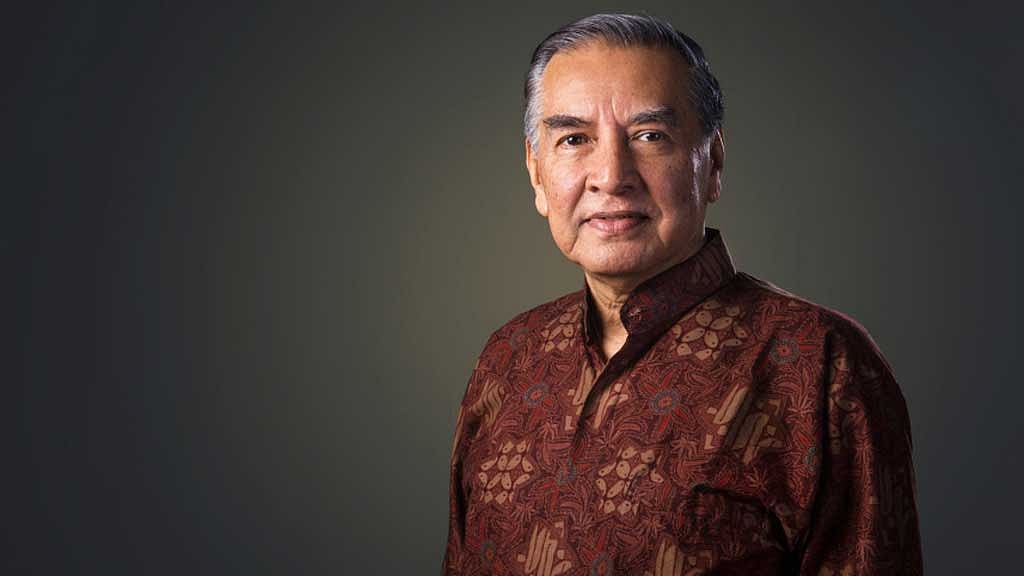
Mahfuz remembers meeting him in the newspaper’s early days.
“I first met Toufique at The Daily Star. We started around the same time, and he was there from the early days. I remember that period clearly.
“He was very bright. A young, young journalist, very bright, and he had quite a good sense of humour. But he thought very naturally. He had many perspectives of his own. He was at The Daily Star in the early days. Then he left The Daily Star.”
Mahfuz later watched his career from afar.
“I always watched from a distance that a young man had established a news agency and kept it running for so long.
“So, I have a lot of respect for him; and his ability as a journalist and then as a manager -- he ran an organisation.”
Khalidi’s sudden death, Mahfuz says, is a particular loss to English-language journalism.
“I am truly very sad about this kind of sudden departure, and I think our journalism world, especially English journalism, has suffered an irreparable loss.”
The Newsroom That Never Slept
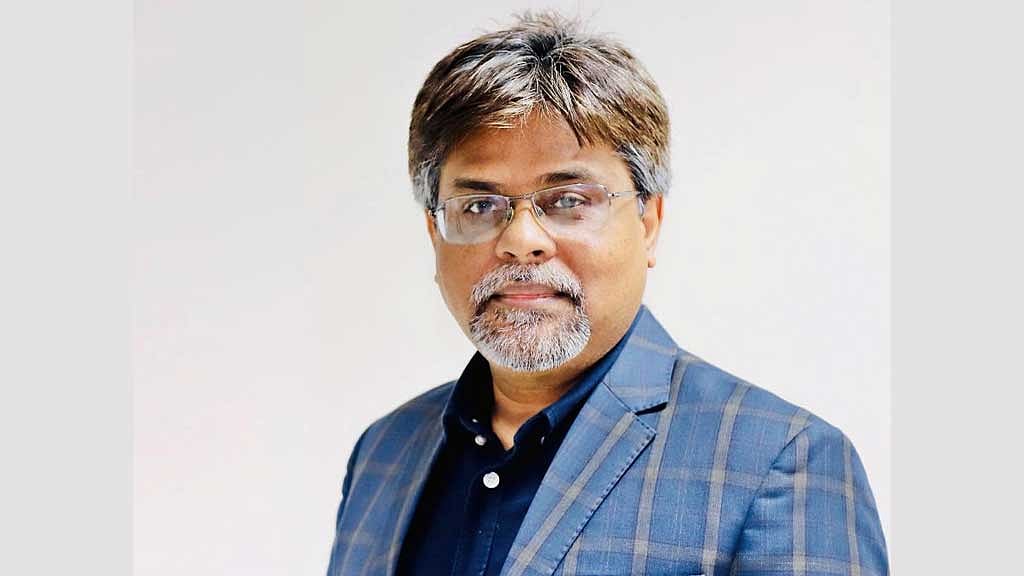
Arun Devnath, former colleague and deputy editor at The Daily Star, remembers the early years of bdnews24.com, when the platform was still proving that a digital newsroom could compete with television and established newspapers.
“Toufique Imrose Khalidi -- fondly known to us as Toufique Bhai -- built bdnews24.com from the ground up, pioneering digital media in Bangladesh, as we know it today.
“He built our first truly 24/7, sleepless news organisation. In those days, we were constantly competing with fast-paced TV channels, and he relished the thrill of breaking a story -- a pure joy known only to a true journalist,” Arun wrote.
He remembers how Khalidi helped a young group adapt to a demanding new newsroom.
“Those early days were marked by a long, gruelling spell of financial hardship. Resources were often stretched incredibly thin, but we weathered the storm together, driven by a shared belief in what we were building.
“His unwavering resolve became our anchor, and he proved that passion and grit could keep the newsroom alive even in the toughest of times.”
Arun says Khalidi kept the newsroom free from interference.
“Toufique Bhai maintained a hands-off approach in the newsroom; and though we often debated and disagreed on various issues, we were always united on the core principles of journalism.
“I hold countless memories of him, with late-night newsroom discussions being a cherished staple of those days.”
He remains grateful for the trust Khalidi placed in him, first as news editor and later as head of the English news service.
“I will always be deeply grateful for the trust he placed in me, first as News Editor and later as the head of bdnews24.com’s English News Service. His passing has left a profound void inside me—one that will perhaps never be filled.”
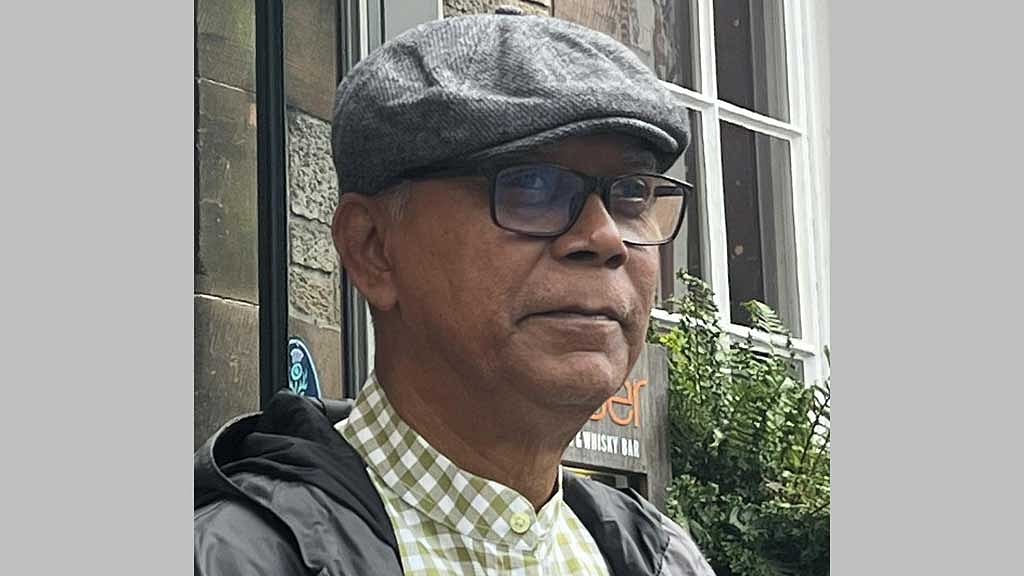
‘Someone Tell Me This Isn’t True’
For journalist Mohammad Sanaullah Lablu, Khalidi’s death brought back memories stretching to the late 1980s.
Lablu and Sangbad's Amir Khosru used to meet at the Bailey Road office of businessman Ahmedul Amin, a senior friend and valuable source in the petrochemical sector. It was there that Lablu first met Khalidi, then working at the Sunday Express.
“Amin Bhai introduced us to Toufique Imrose Khalidi. From the first meeting, I was impressed by the way he spoke and behaved.”
Their friendship grew through late-night gatherings, often moving from Amin’s office to his brother’s home in Eskaton. Over the years, Lablu, Khosru and Khalidi moved into different media organisations before Khalidi settled at bdnews24.com.
In 2007, after Lablu left Prothom Alo for Samakal and stayed there for little more than three months, Khalidi invited him to join bdnews24.com and showed him around the Dhanmondi 27 office.
At the same time, Lablu received an offer from ABC Radio. He chose the new challenge of FM radio, a decision he believes may have marked the beginning of a distance between them.
“Perhaps that was when the distance between Toufique and me began.
“There is more. Let those things remain unsaid.”
The distance disappeared unexpectedly two years ago.
After dinner at a friend’s house, Lablu and his wife were leaving a lift when they encountered Khalidi, who lived in the same building.
“‘Lablu Bhai!’ Khalidi exclaimed.
“But the greater shock came on Oct 2, 2026. How can someone leave like this? Since I first heard the news, I have been stunned. I have just been scrolling through Facebook. Someone tell me this isn’t true.
“Goodbye, younger brother, friend.”
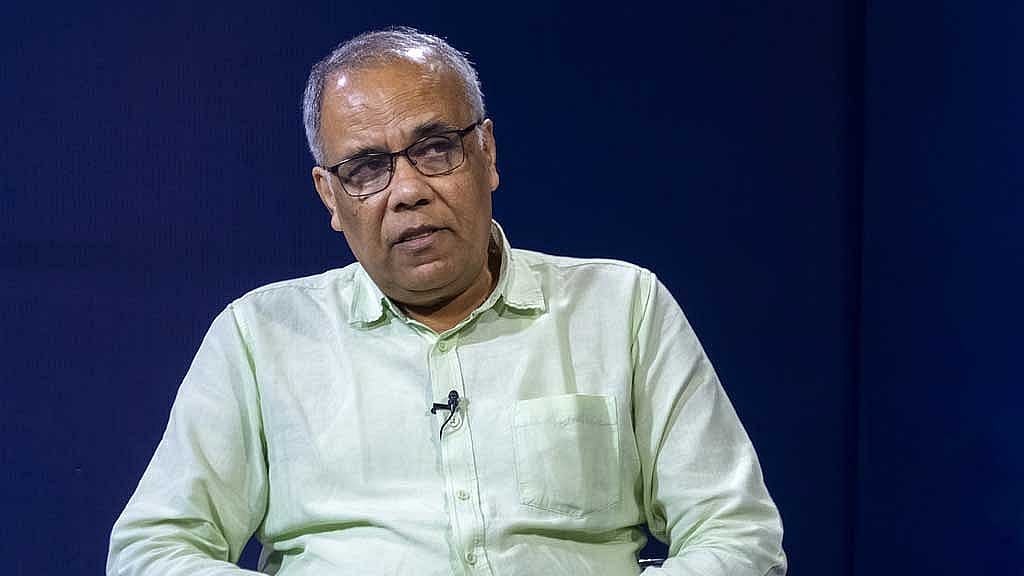
Kamal Ahmed also says the full weight of Khalidi’s contribution is difficult to capture in a few words.
“There are so many memories; I will not talk about them now. I can say this definitely: Bangladesh has lost a very good journalist, and also an editor.
“He took online journalism to a certain level, to a new height. His absence in the country’s online media sector will be felt for a long time.”
Khalidi had been preparing to mark 20 years at the helm of bdnews24.com. The anniversary was only days away.
He would not live to see it.