Published : 11 Oct 2026, 01:40 AM
Updated : 11 Oct 2026, 01:40 AM


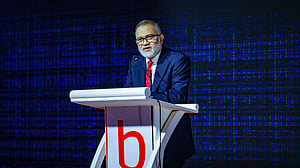
When Toufique Imrose Khalidi began journalism as a 22-year-old English literature student, it was little more than a hobby. His family and friends expected him to move on to another profession after completing his studies. Instead, apart from brief breaks and detours, he remained in journalism for nearly four decades.
He worked at leading Bangladeshi newspapers, joined the BBC World Service in London and returned home to help establish bdnews24.com as a digital news organisation. As its editor-in-chief and managing director, he spent two decades building a newsroom around accuracy, transparent sourcing and editorial independence.
His views on journalism were shaped by a conviction that reporting must withstand pressure from political and business interests. He also believed that media ownership, weak professional standards and self-censorship posed serious challenges to press freedom in Bangladesh.
In a 2015 interview with Voice of America, Khalidi explained why he had never found another profession to pursue.
“I know no other business except journalism,” he said, echoing a line by poet Al Mahmud: “Because I know no deceit, I have learned no other business.”
Objectivity before All Else
Khalidi regarded objectivity as one of the most important contributions bdnews24.com had made to Bangladeshi journalism.
He took pride in a newsroom culture that required reporters to identify their sources and verify sensitive information with at least two independent sources.
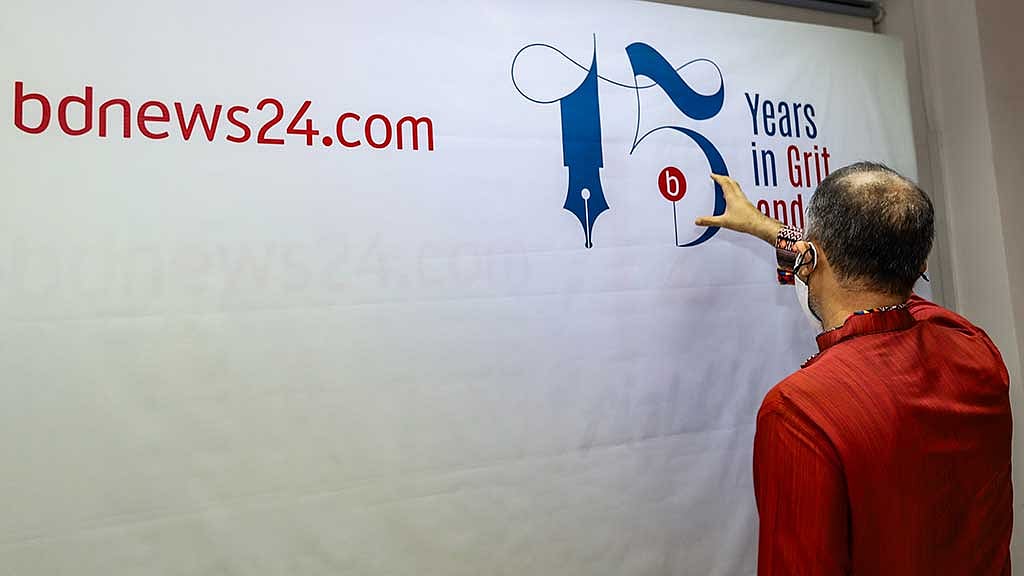
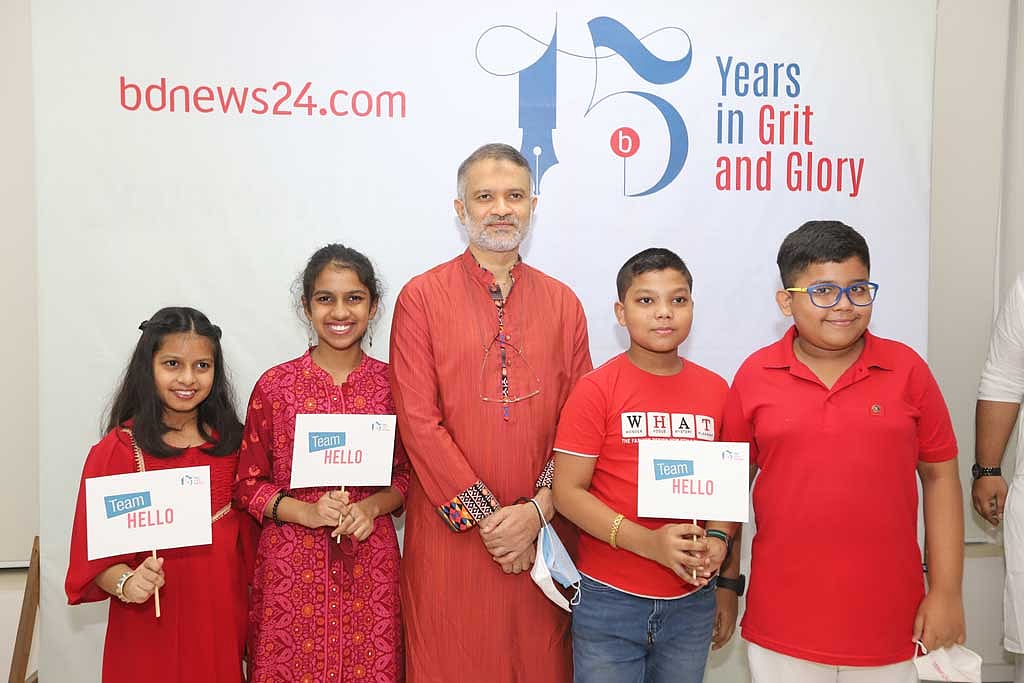
At the organisation’s 15th anniversary in 2021, he recalled the scepticism that had greeted such practices.
“We have been able to deeply embed objectivity in Bangladeshi journalism. People can no longer simply publish reports based on gossip and hearsay whenever they want,” he said.
“Many said this was not possible in Bangladesh. It might work abroad, but it was impossible here. We have shown that it can be done.”
Khalidi believed these standards had helped curb speculative reporting and the use of news outlets to spread rumours. He also insisted that the newsroom must not publish false information, even when it could not report the whole story.
At the organisation’s 17th anniversary in 2023, he reiterated his commitment to accuracy and ethical journalism.
“We have kept trying. We have continued the struggle, and this struggle will continue. We must keep fighting for everyone, for the next generation, for our children and for those who will enter this profession in the future.”
He recognised that maintaining these standards could make journalism difficult, particularly when powerful people opposed a report.
“If you want to practise journalism really well, in any country, in any society, and certainly in ours, you will constantly make new enemies and face new obstacles. You have to move forward through them,” he said.
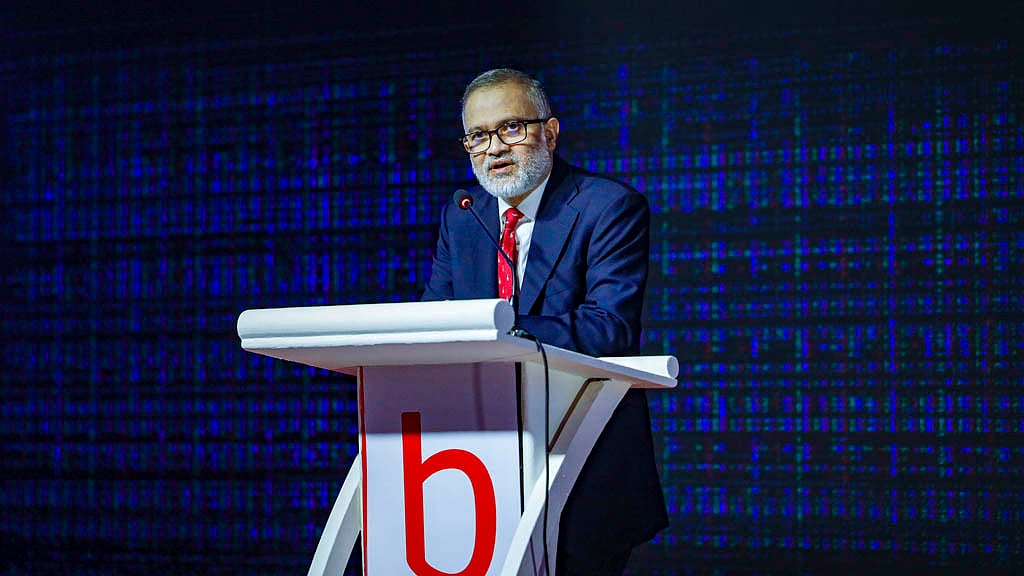
At the organisation’s 18th anniversary in October 2024, he recalled the pressure it had faced, including financial threats and harassment of journalists.
“We have gone through many difficult situations. In the end, we did not bow our heads. I believe that, ultimately, we have prevailed, and we will continue to survive with our heads held high. No one will be able to suppress us.”
‘No, It Will Not Be Taken Down’
Former bdnews24.com senior news editor Munirul Islam recalled an episode in June 2018 that illustrated Khalidi’s approach to editorial pressure.
After a report triggered repeated demands for its removal, Munirul began to wonder whether he might have overlooked a problem. He called Khalidi over the phone to discuss the matter.
Khalidi asked whether there was anything wrong with the report and whether it had been taken out of context. When Munirul answered no to both questions, Khalidi made his position clear.
“No, the news will not be taken down.”
Soon afterwards, the website went offline. Khalidi instructed Munirul to announce the outage on Facebook and later asked him to take an office car to his home.
“I went there. I later learnt that he had taken me to his home because he was concerned about my safety,” Munirul wrote in a tribute after Khalidi’s death.
“‘No, the news will not be taken down’. Some sentences are very short. Yet, at certain moments, they become a great source of shelter.”
The episode reflected Khalidi’s insistence that editorial decisions should be based on a report’s accuracy, not on threats, and his concern for colleagues exposed to pressure because of their work.
In February 2021, he spoke publicly about legal pressure following bdnews24.com’s reports on court proceedings involving businessman and former lawmaker HBM Iqbal and members of his family.
The reports covered judicial proceedings and court orders, including Iqbal’s acquittal in a murder case in 2010 and a 2017 report about his wife and children receiving permission from the High Court to appeal in an Anti-Corruption Commission (ACC) case.
Khalidi said the organisation had received at least 36 legal notices from 24 districts in two weeks. The notices threatened cases under the Digital Security Act and on defamation grounds, but, he said, did not identify specific passages in the reports that were allegedly false.
He also said intermediaries had urged the organisation to follow other outlets that had removed their reports.
“If we make a mistake, we will admit it. If a correction is necessary, we will make it. But we will not remove any news by bowing to pressure,” he said.
Khalidi maintained that accountability for errors was essential, but that pressure alone could not justify suppressing verified reporting.
In a separate case, the ACC filed a case against him over allegations of acquiring assets beyond known sources of income after bdnews24.com announced an investment. The case was withdrawn on Sept 5, 2024, following the political upheaval in Bangladesh.
The Obstacle of Media Ownership
Khalidi believed media ownership was one of the biggest structural barriers to press freedom in Bangladesh. He criticised the use of news organisations to serve their owners’ commercial interests and warned against management interference in editorial decisions.
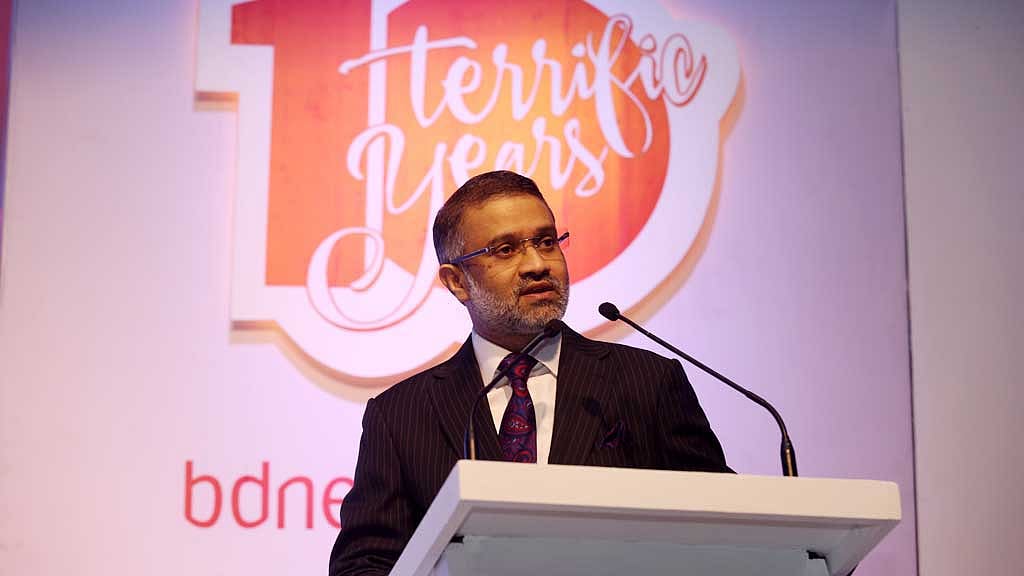
At bdnews24.com’s 10th anniversary in October 2016, he argued that discussions about press freedom needed to consider who owned the media and whose interests those owners served.
He acknowledged that journalists regularly faced attempts to influence coverage, from government and corporate public relations officials to other interested parties. Their approaches, he said, were to be expected. Journalists had to learn how to deal with them without abandoning their responsibilities.
“My point is that, as journalists, we must do our job. We must learn how to deal with those ‘other people’ in the state and prepare ourselves accordingly.”
Asked why Bangladeshi news organisations struggled to maintain independence, he gave a direct answer.
“The answer is very simple. Ownership. I say this in every discussion about media freedom, whether in this country or anywhere else in the world.”
He also argued that journalists should report on politics without becoming political actors themselves.
“We report on politics, and we publish analysis and commentary, but becoming directly involved in politics is not our job.”
Khalidi opposed the idea of a political force operating outside the regular political process. He believed the media’s interests were tied to a functioning political system.
“Protecting the political process is the responsibility of politicians. The media must also be in a position to support it, because our interests are tied to it. Without a proper political process, a free and effective media cannot survive.”
He acknowledged that media organisations had their own shortcomings, but insisted that accuracy and ethical standards were non-negotiable.
“When it comes to the truth of information, there can be no compromise. We are investing substantially in editorial oversight to ensure the accuracy of information and ethical standards in journalism,” he said.
He also maintained a separation between advertising and editorial content, even when doing so cost the organisation revenue.
“When we promise that we will not mix news with advertising, we keep that promise. The problem is that we have to forgo a substantial part of our income because of it.”
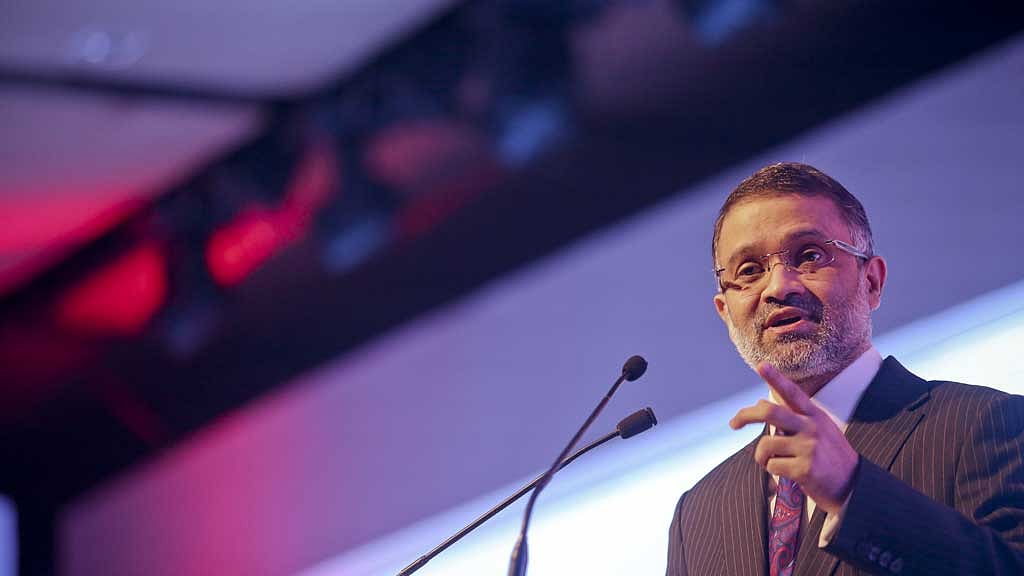
Ehsanul Haque Babu, a former chief reporter at bdnews24.com who is now executive editor of Agamir Somoy, recalled that Khalidi resisted pressure from owners and was prepared to walk away from projects when editorial independence appeared to be at risk.
Regulation, Not Control
Khalidi was critical of the rapid expansion of television channels and online news outlets without adequate planning, professional staff or newsroom resources. He argued that the state should create conditions for responsible journalism rather than control what the media published.
In a June 2015 interview with Voice of America, he called for rules to address online outlets that used names similar to established news organisations while publishing propaganda.
“Regulation is extremely important. We must prevent these things, these kinds of tendencies.”
He then explained the distinction he considered essential.
“The state has failed to fulfil this responsibility. The state's job is not to control the media. Its job is to create a facilitating environment for the media.”
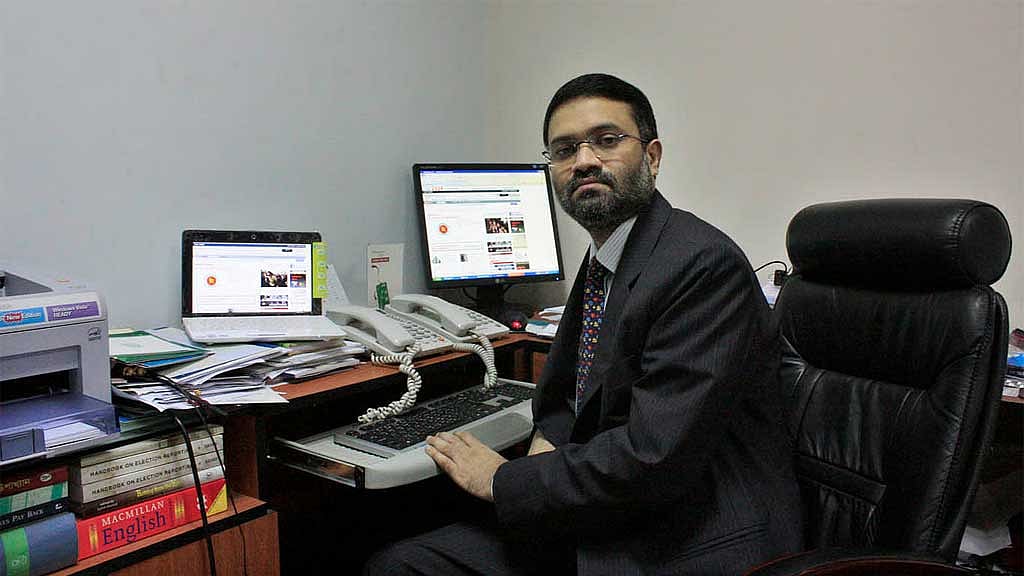
Khalidi argued that licences should be awarded fairly and that media organisations needed the resources and expertise to operate professional newsrooms. He questioned the proliferation of television channels producing news without sufficient reporting capacity.
“Which country has every television channel producing news? News gathering is an expensive and extremely difficult process. There is no reason to assume that everyone can run it. Yet everyone is doing it.”
He warned that the expansion of channels did not necessarily produce better journalism.
“With 25 to 30 television channels all producing news and covering everything, the situation has become chaotic. Some will say this creates competition, but I would say the bigger consequence is a decline in quality.”
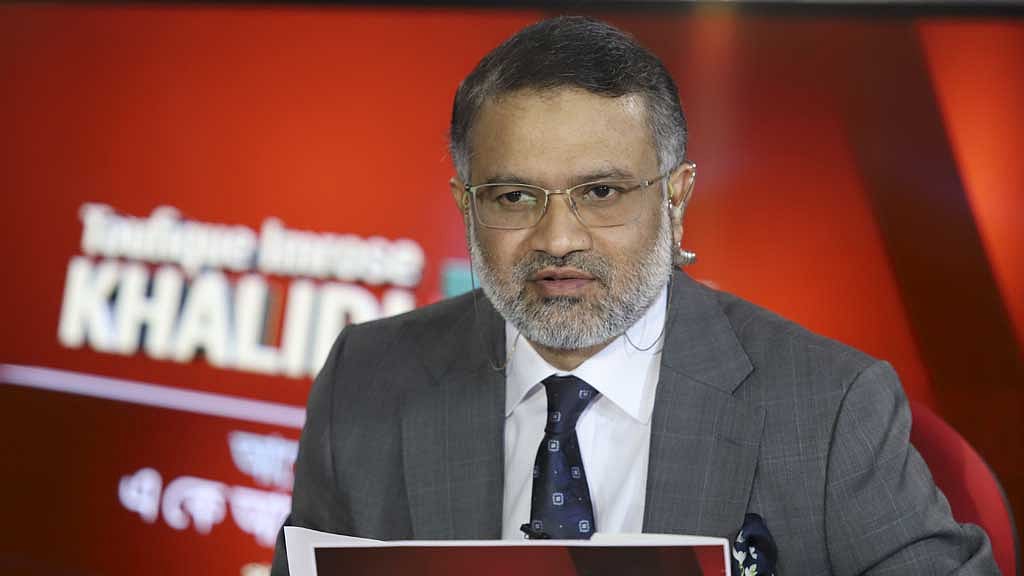
He saw similar problems in the online sector, where setting up a website was relatively inexpensive but sustaining a professional reporting operation required significant resources.
“These are not merely expensive operations; they require a very high level of professionalism,” he said. “As a result, this work is falling into the hands of amateurs and, in many cases, dishonest people. The government or state is remaining silent. The government has a responsibility here.”
Khalidi also believed self-censorship could be as damaging as direct government pressure. Journalists, he argued, sometimes restrained themselves because of their own interests or vulnerabilities.
“I think the problem in Bangladesh is self-censorship. You censor yourself unnecessarily. Why? Because you have many skeletons in your cupboard. If you have skeletons in your cupboard, you cannot speak out loudly. That is the problem.”
He argued that media owners with political and business interests could be reluctant to tolerate reporting that threatened them. Journalists, meanwhile, had to decide whether to yield to attempts to influence their work.
“Their job is to try to stop me. But that is not my job. My job is to decide whether I will listen to them. When am I forced to listen? No one can force me. I can assure you that it is impossible to compel me. I will only be compelled when I have a problem of my own.”
Children at the Forefront
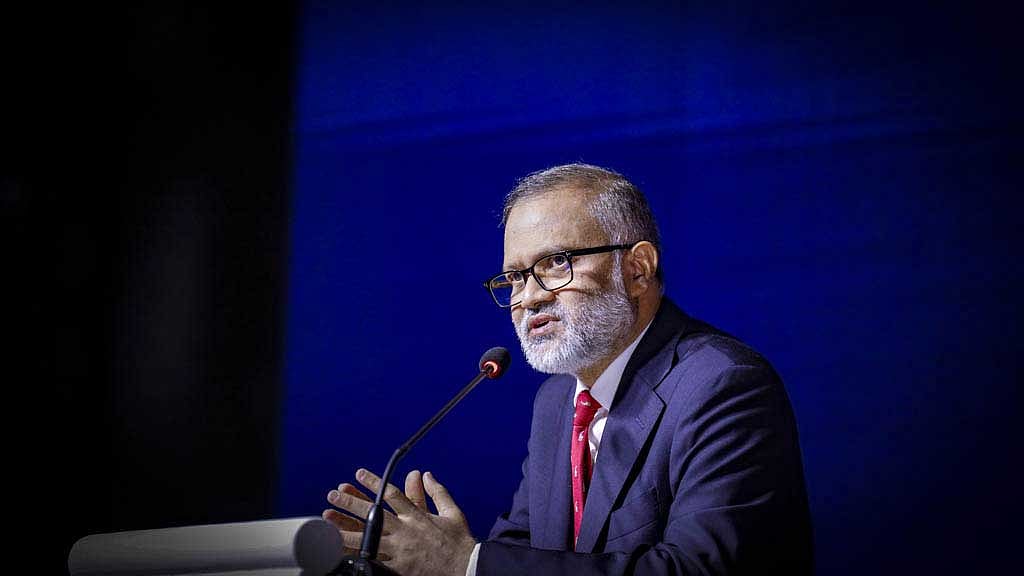
Khalidi’s vision extended beyond established newsrooms. He believed children could learn to report responsibly and that young people should be encouraged to challenge injustice.
On Mar 31, 2013, bdnews24.com launched Hello, Bangladesh’s first website dedicated to child journalism, with support from UNICEF. Children and teenagers took part in reporting under the guidance of experienced editors. Workshops trained young reporters, while the platform provided a basic guide to journalism.
At the launch of Hello’s redesigned website on May 31, 2022, Khalidi urged the child reporters to expose wrongdoing and uphold ethical principles.
“They are more sincere than we are, more fearless. Fear does not get into them,” he said.
“People do not fear things up to a certain point. As they begin to understand more, they gradually start to become afraid. Often, they do not have that knowledge of fear at first. In a sense, that is a good thing: to remain fearless.”
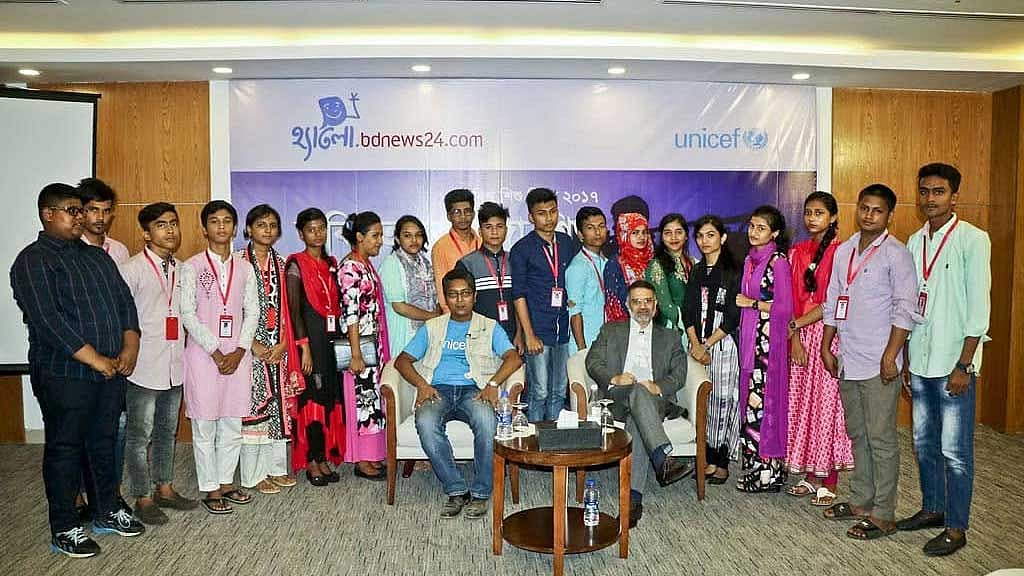
He wanted young reporters to learn the principles of journalism as well as its practical skills.
“Trying to learn and practise journalism in accordance with ethical principles and the grammar of journalism in these difficult times is a complicated task. Many of you are doing it with great enthusiasm.”
Khalidi said reports published by the children had sometimes prompted action by ministers and helped expose injustice.
“Sometimes nobody listens to us. I have seen a story published on Hello and the problem resolved. The minister did the work.”
He also took pride in seeing former child reporters succeed in different fields. He believed their training helped them distinguish truth from falsehood and news from misinformation.
His confidence in young people shaped his plans for bdnews24.com, too. At the organisation’s 18th anniversary in October 2024, he spoke about wanting to hand over leadership to a younger generation.
“I wanted to hand over responsibility to young people. I hope someone young will take over very soon. We have many colleagues who are highly capable, skilled and hardworking,” he said.
“They have devoted their lives to good journalism. I believe they can lead. The number of young people is increasing every day. I believe those who have been trained, or are being trained now, will run this organisation for the next 18 years. That is my personal wish.”
From a Student to a Digital News Pioneer
Khalidi studied English literature at Dhaka University, where academic delays meant he received his results and certificates years later than expected.
“We lost four years at Dhaka University. Exactly four years. I should have graduated with honours at 20 and completed my Master's at 21. Instead, I received my certificate or results at 25. So we lost time,” he told Voice of America.
He joined the Dhaka-based Sunday Express as an assistant editor in 1989. In 1991, he became a diplomatic correspondent at The Daily Star, working there until March 1993. He later joined The Financial Express as a senior reporter and became a special correspondent in 1995, also writing editorials.
After a brief break, he worked as a socioeconomic and communications consultant for a non-governmental organisation involved in river erosion.
In 1996, he returned to journalism as a fellow of the Paris-based Europe Foundation, writing about European affairs for its quarterly journal Europe.
He rejoined The Daily Star in August 1997, taking on editorial responsibilities. On Feb 5, 2000, he joined the BBC World Service in London, where he produced and presented news and current affairs programmes until Jun 30, 2005.
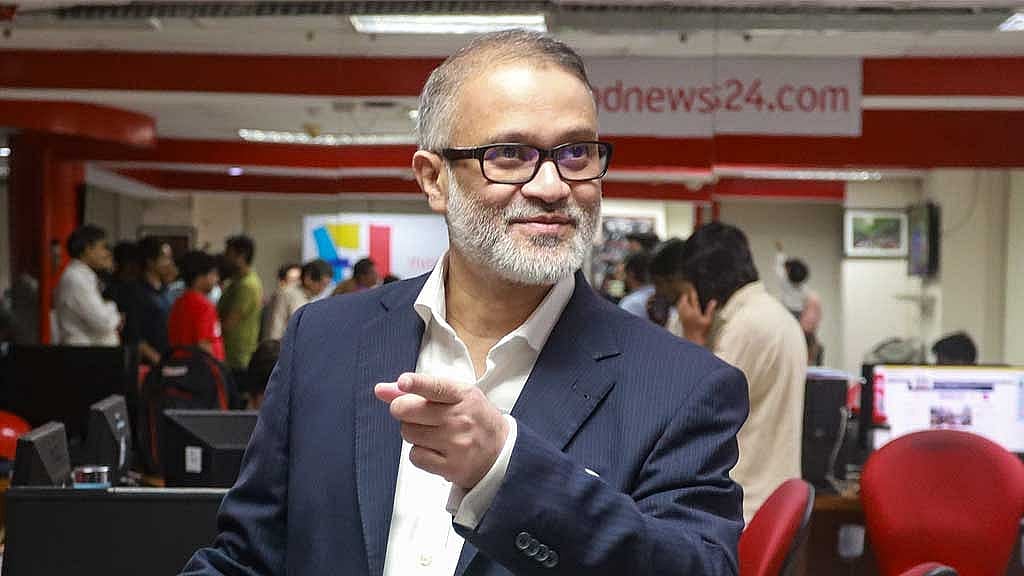
He returned to Bangladesh and took charge of bdnews24.com, which began operating as a fully digital news organisation on Oct 23, 2006.
As editor-in-chief and publisher, he helped build a newsroom capable of delivering news continuously online at a time when digital journalism was still unfamiliar to many readers.
He recognised that leading the organisation involved both editorial and management responsibilities.
“I wear two hats here. One is my editorial responsibility, and the other is my management responsibility,” he said. “All in all, things are going well. I enjoy working with a group of young colleagues.”
A Struggle for the Next Generation
Khalidi’s legacy lay not only in building a digital news organisation, but also in the standards he sought to establish: verify information, identify sources, correct mistakes, keep advertising separate from news and refuse to remove accurate reporting under pressure.
He understood that defending those principles could carry a personal and professional cost. He also believed the next generation needed the training and confidence to continue the work.
At bdnews24.com’s 17th anniversary, he described the responsibility as a continuing struggle.
“We have continued the struggle, and this struggle will continue,” he said. “We must keep fighting for everyone, for the next generation, for our children and for those who will enter this profession in the future.”
For Khalidi, good journalism was a daily discipline, tested most severely when publishing the truth became difficult. He had entered the profession as a young man’s hobby and spent nearly four decades defending the standards he believed it required.