Published : 11 Oct 2026, 12:47 AM
Updated : 11 Oct 2026, 12:47 AM


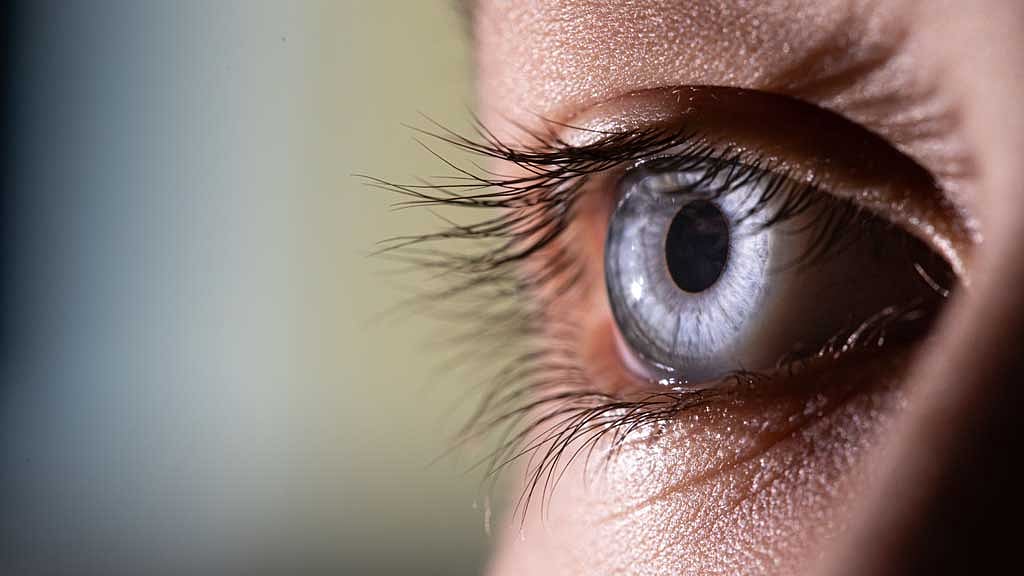
A gene therapy based on Nobel prize-winning science has partially restored sight in some blind patients, with a clinical trial reporting improved light sensitivity and no lasting serious treatment-related complications, The Guardian reports.
The treatment, known as optogenetic therapy, was tested on 10 people with advanced retinitis pigmentosa, a group of genetic disorders that gradually destroy light-sensitive cells in the retina.
According to The Guardian, the therapy uses a single injection to make surviving retinal nerve cells sensitive to light. Patients then wear specialised goggles that convert images into light pulses, enabling them to perceive monochrome images.
Six participants experienced clinically meaningful improvements in light sensitivity. Some also became better at locating objects, finding doors and walking along a line while wearing the goggles.
The researchers reported one severe eye-related side effect, which resolved within minutes, with no side effects affecting the rest of the body. The findings, published in the New England Journal of Medicine, cover outcomes followed for up to five years.
Prof Botond Roska, a lead author of the study, told The Guardian that the results confirmed the approach could restore some vision. The next goal, he said, is to develop higher-resolution sight, potentially within five to 10 years.
However, the treatment cannot yet restore detailed central vision, meaning patients cannot recognise faces. The researchers said outcomes also depended partly on how much time participants spent training with the goggles.
Mark Hankins, a professor of visual neuroscience at the University of Oxford who was not involved in the research, told the newspaper that the findings offered reassurance about the treatment’s safety and lasting effects, cited in the report.
He described the progress as “baby steps, but they’re critical”, adding that the findings mark an important step towards restoring meaningful vision in people with severe sight loss.