Published : 06 Oct 2026, 08:04 PM
Updated : 06 Oct 2026, 08:04 PM


Scientists have discovered a human gene called BC200 that helps brain cells regulate protein production while also retaining the ability to “jump” from one part of DNA to another, ScienceDaily reports.
BC200 developed millions of years ago from a transposon, a piece of DNA that can move around the genome. Most genes that evolved from transposons eventually lost this ability, but the “jumping gene” appears to have kept it.
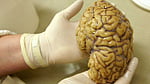
The gene is mainly found in brain cells and may help control how cells turn genetic instructions into proteins. ScienceDaily reported that researchers are still working to understand exactly how it functions.
The discovery became even more unusual when scientists found BC200 inside molluscum contagiosum virus, a poxvirus that infects human skin. Researchers believe the gene may have moved from a human skin cell into the virus, although they are still investigating how this happened.
The gene helps brain cells build proteins while retaining the ability to hop around DNA, and researchers have found that it has even moved into a virus. Its unusual movement is also being studied for possible links to cancer and other abnormal cell activity.
According to ScienceDaily, the “jumping gene” is also found in small amounts in sperm and egg cells. This means that if the gene moves in these cells, a new copy could potentially be passed on to future generations.
Mobile DNA is not always harmful. Some jumping genes can disrupt other genes, but they have also helped shape the human genome over millions of years.
ScienceDaily noted that BC200 has been found at unusually high levels in some cancers and in the brains of people with Alzheimer’s disease. Researchers now want to find out whether the gene becomes more active in tumour cells and whether its movements can cause mutations.
The research team is also studying whether the virus can use BC200 to change infected cells. Researchers hope this will reveal why the gene has kept its unusual ability to move while becoming part of normal brain function.