Published : 04 Jan 2023, 01:17 AM
Updated : 04 Jan 2023, 01:17 AM


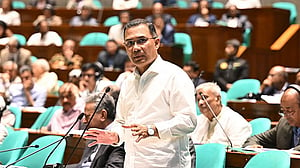
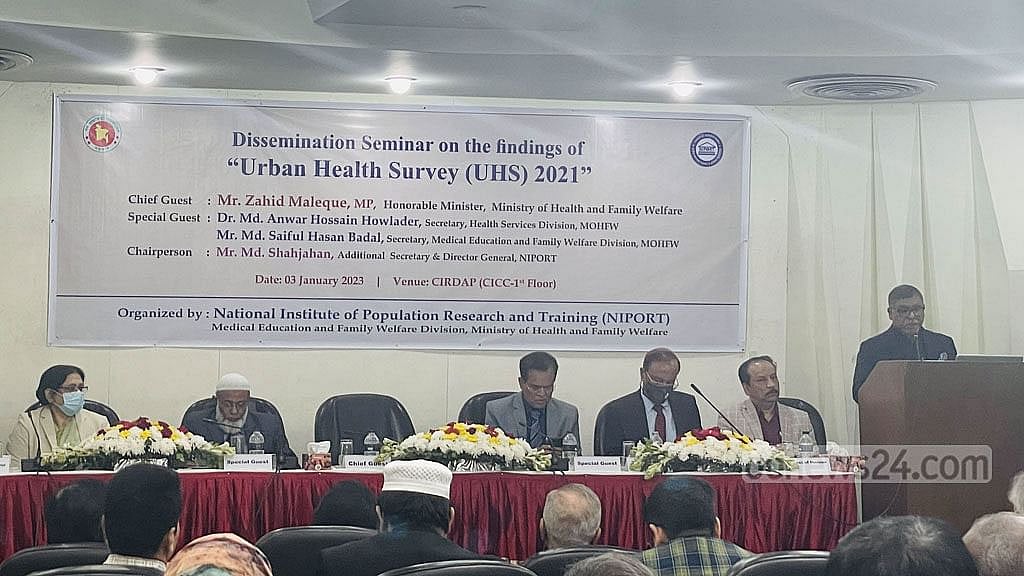
Health Minister Zahid Maleque has questioned the high rate of C-section or caesarean deliveries, which is 77 percent in non-slum areas before blaming private facilities for it.
He alleged that the private hospitals and clinics were doing needless C-sections to make profits from inflated medical bills.
Government hospitals have around 20 percent of all deliveries done through C-section because they do not opt for caesarean births unless necessary, Zahid said at a seminar in Dhaka on Tuesday.
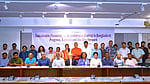
The findings of Bangladesh Urban Health Survey 2021 by the National Institute of Population Research and Training (NIPORT) were published at the seminar.
C-section is a surgical procedure used to deliver a baby by cutting an opening in the mother's abdomen. Healthcare providers use it when they believe it is safer for the mother, the baby, or both.
While the World Health Organization considers the ideal rate for caesarean sections to be between 10 to 12 percent, the NIPORT study found out the slum areas of Bangladesh sees 58 percent C-sections, Zahid said. The rate is 75 percent in the urban non-slum areas.
The survey, conducted between January and June 2021, on people living in and outside slums in a total of 11 city corporations across the country also showed that the tendency to follow birth control methods has increased among people.
According to the survey, in 2021 the contraceptive prevalence rate (CPR) in urban slum areas was 72 percent and in other areas of the cities it was 68 percent.
Zahid said that the poor are also becoming aware these days. “Those who can afford sustenance do not put pressure on the government even if they increase the population. But the problem arises when the poor population increases as they are dependent on government subsidies.”
The rich and the poor have advanced almost the same in taking birth control, which is a good sign, the health minister said.
“We've also progressed in providing clean drinking water. About 97 percent of those living in slums and 98 percent of others have access to clean water,” he said.