Published : 31 Dec 2022, 02:32 AM
Updated : 31 Dec 2022, 09:20 AM


Bangladesh rang in 2022 with the aim of shaking off the coronavirus pandemic's crippling impacts and regaining the economic thrust that powered its ascent to the status of a developing nation. Twelve months on, the mood has changed significantly, with the renewed optimism over the country's growth prospects giving way to growing calls for austerity as the threat of global recession looms large.
Heading into 2023, the overriding hope will be to overcome, or at the very least, mitigate the hardships and distress stemming from an intensifying cost-of-living crisis, fuelled by the war in Europe. To this end, the government has taken a series of measures to keep the economy rolling while taking a more conservative approach to spending.
Russia's invasion of Ukraine in February and the wave of Western sanctions that followed wreaked havoc on the international fuel market, triggering an energy crisis in Bangladesh that in turn drove up prices of goods and commodities across the board. Just as the green shoots of recovery from the pandemic started taking root, they were seemingly scythed by the war in Eastern Europe.
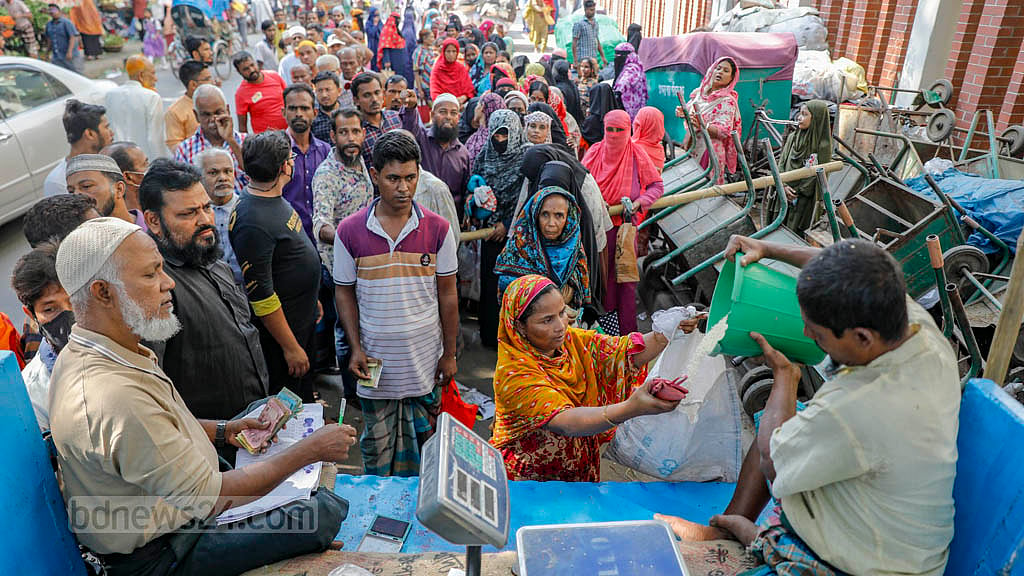
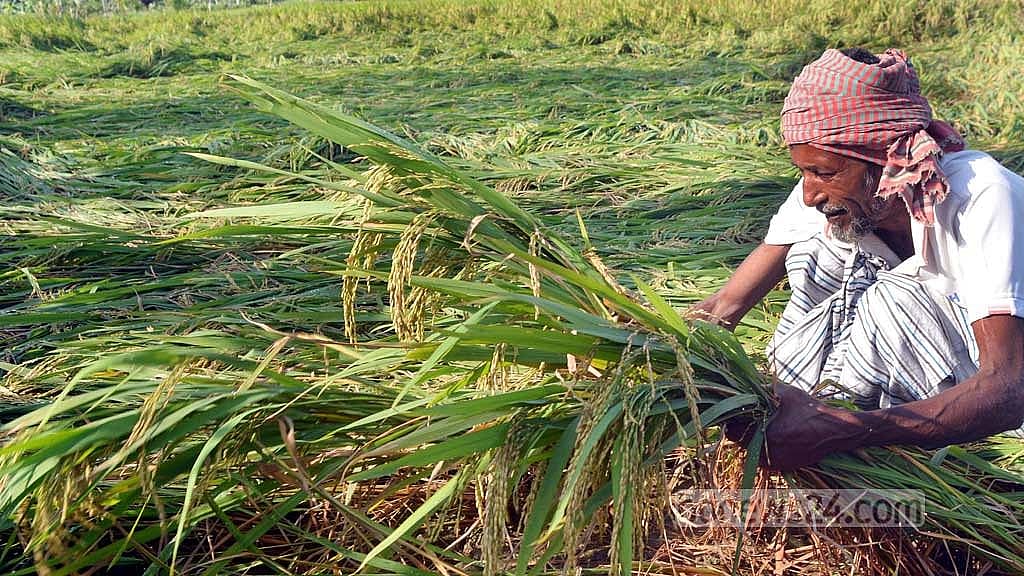
While noting that the situation in Bangladesh is not as dire as some other countries, the head of government has repeatedly called for an increase in domestic food production to offset the dependence on imports in order to avert a full-blown economic crisis. With the prime minister herself sounding the alarm over the threat of famine, ensuring adequate food supply became a top priority for the government and its efforts to reign in food prices were marked by tax reductions and duty waivers for imports. Even then, the commodity market remained volatile in the face of persistent inflationary pressure.
Against this backdrop, the economic collapse of Sri Lanka was played up more than ever as a cautionary tale. The long-running debate of whether Bangladesh would suffer a similar fate only grew when reports of dwindling foreign exchange reserves emerged.
Since then, the economy seems to have ridden out the storm and taken small steps in the right direction, aided by a preliminary agreement on a $4.5 billion loan deal with the International Monetary Fund to cover the budget deficit as the government clamped austerity measures and sought to preserve the dollar reserve.
In the meantime, record-high export bills and remittances in November were a silver lining in the dark clouds hovering over the economy, sparking optimism among policymakers about the forex crisis abating at the start of 2023.
Economists hope that the experience of transitioning out of the pandemic-induced slowdown will provide a template to overcome the ongoing economic turbulence. Although myriad challenges lie ahead, they believe the main economic indicators, which faltered due to high inflation and the forex crunch, will recover in due course.
The prospect of a quick turnaround is closely linked to the Ukraine war, and if the conflict drags on, so will the current economic turmoil, according to Ahsan H Mansur, executive director of the Policy Research Institute. "Until the supply of foreign currency increases, the government should control imports as well as reduce foreign spending. Unless the trade deficit is brought down to a tolerable level, the economy will remain under strain."
However, the government as well as policymakers and the central bank have assured that a strategy is in place to achieve a balance between demand and supply, which includes increasing agricultural production. A team headed by the prime minister's principal secretary is working on the matter and will reportedly publish their plans soon.
WAR, DOLLAR CRUNCH TAKE CENTRE STAGE
The pressure of imports has been mounting since August 2021, and although exports subsequently scaled new heights, it wasn't enough to tip the scale. The inflow of remittances from overseas also failed to bridge the balance of payments shortfall in any meaningful way. The hope going into 2022 was for an upturn in fortunes, but it didn't last long as Russia began beating the war drums amid simmering tensions on the Ukrainian border.
By March, a full-fledged war was underway and its repercussions were felt the world over. Prices of daily commodities, including fuel, started to skyrocket at a time when domestic consumption and demand were rising as the economy rebounded from its pandemic slump. The sudden hike in prices left a big dent in Bangladesh's forex reserves as the country scramble to pay off its import liabilities.

The US dollar was in short supply, creating volatility in the market for the world's reserve currency. The authorities tapped into the forex reserves and even devalued the taka against the dollar to alleviate the crisis, but to no avail. In a major shift, Bangladesh Bank reintroduced the floating currency exchange system, which allowed banks to set their own dollar prices based on demand and supply -- a move that was predicted by many bankers and economists.
After the massive depreciation of the taka, the dollar exchange rate exceeded Tk 105 and the rate for remittances crossed Tk 107. By comparison, the price of a dollar was around Tk 86 before the war. At the height of the crisis in August, the price of the dollar crossed Tk 121 in the open market while the interbank rate climbed up to Tk 114.
The forex reserves, which stood at $46 billion at the beginning of 2022, fell to $34 billion dollars despite strict import curbs. Bangladesh Bank sold $6 billion to banks in the last five months alone.
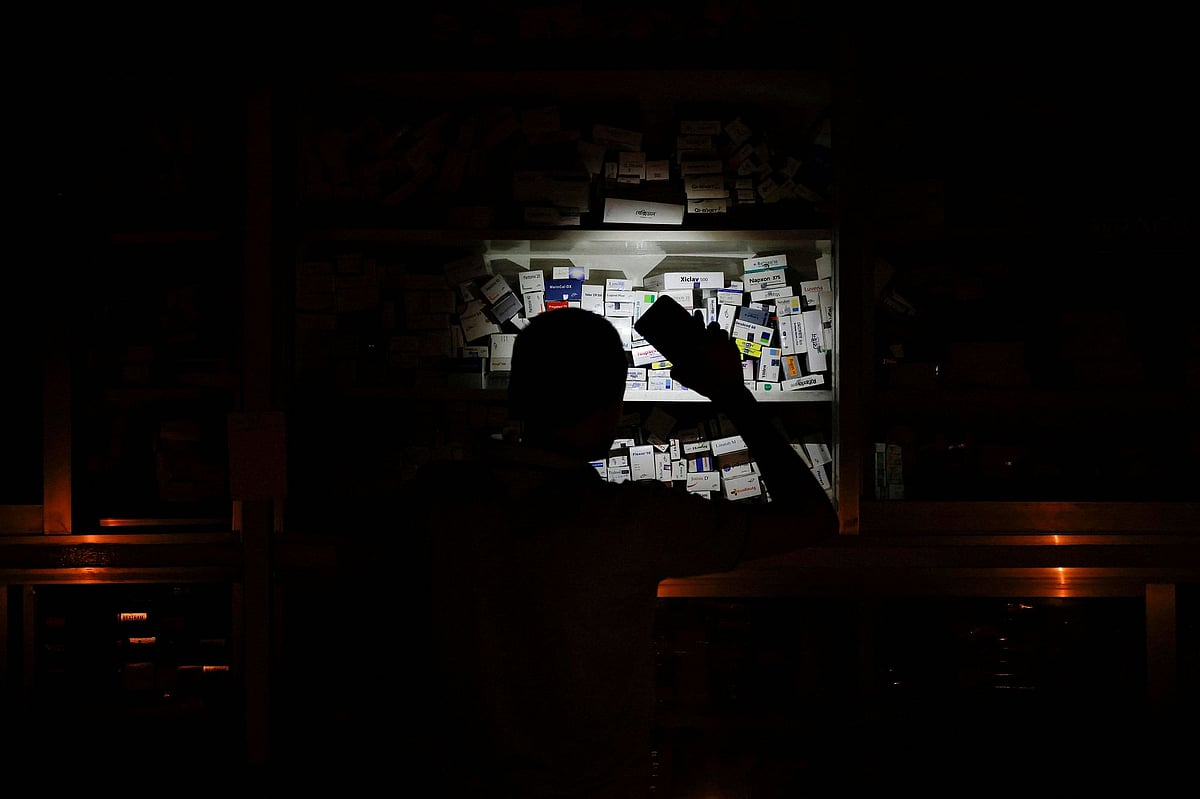
As part of the efforts to reduce the strain on the forex reserves amid surging energy costs, the government moved to shut down diesel-powered power plants to save fuel, while rationing electricity through rolling power cuts. This added to the country's economic woes as industrial output dropped.
The government also expanded its austerity measures by reducing its allocation for the Annual Development Programme and stopped releasing funds for 'less important' projects.
The government also hiked the domestic prices of fuel to keep in step with the international market, and this, coupled with the devaluation of the local currency leading to increased import costs, hit the pockets of consumers hard, especially those with limited income.
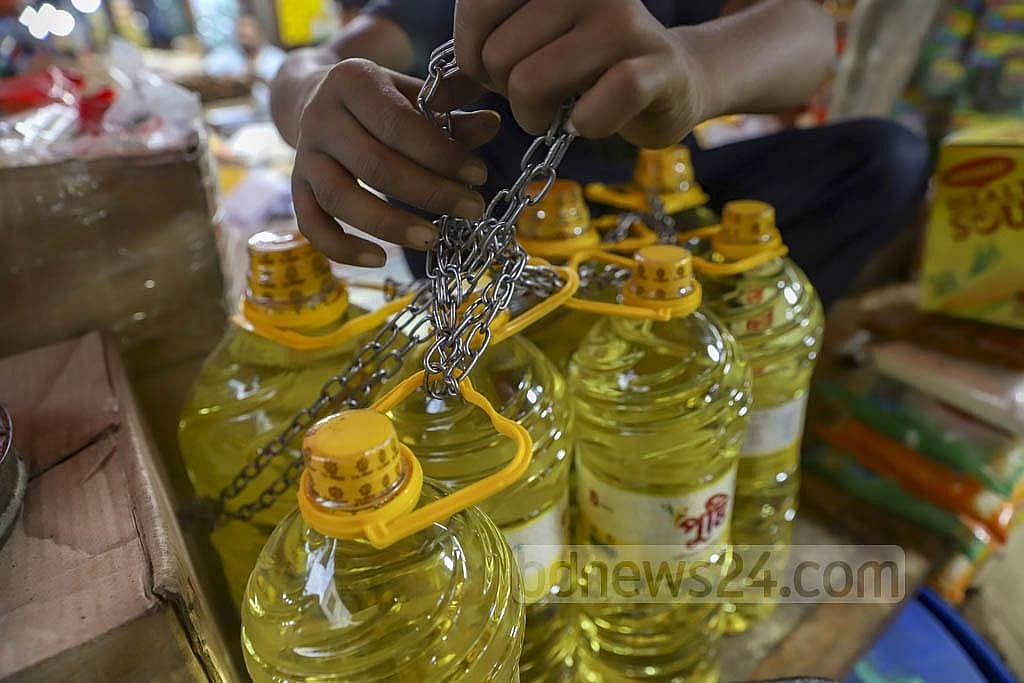
Certain 'unscrupulous' traders were accused of profiteering from the crisis, which stoked further turmoil in the commodity market. The headline inflation, which had been trending up since the end of February, eventually soared to 9.52 percent in August - the highest in 11 years. Although it decreased to 8.85 percent in November, some economists have claimed that the government figures are much lower than the actual rate of inflation.
WHEN WILL THE PRESSURE EASE?
The government has taken various measures to tame the forex crisis, which peaked in the middle of the year. Although the administration pinned the blame for the crisis on the Ukraine war, some economists have attributed some of the ongoing issues to 'mismanagement'.
In a bid to tamp down inflation, Bangladesh Bank raised its key interest rate, or repurchase agreement rate, on several occasions during the year, while the government has tried to keep prices in check by increasing imports, subsidising goods for low-income people, reducing duties and taxes and easing import restrictions.
To increase the supply of the dollar, the authorities began a crackdown on hundis, an illegal means of conducting cross-border transactions, and raised the cash incentive on remittances to 2.5 percent to encourage expatriates to send money home through legal channels while offering a higher dollar exchange rate. Paperwork requirements for remittances were also eased and the moves appeared to have paid some dividends as the country received $8.79 billion in remittances between July and November, a 2 percent year-on-year increase.
UNPRECEDENTED TRADE DEFICIT
In January, banks opened letters of credit (LCs) worth $7.5 for imports, while settling $7.7 billion. The trend continued until April when the central bank moved to impose curbs on imports comes from Bangladesh Bank to safeguard the forex reserves. Even as imports increased over the next few months, the result of the restrictions began to show in November, when LC openings fell to $4 billion and settlements to $5.6 billion dollars.
During this period, the trade deficit was bigger than at any other point in the country's history. Fiscal 2021-22 closed in June with the deficit standing at $33.24 billion. Between July and October, the figure was $9.6 billion, over 4 percent higher than the same time last year when the deficit was $9.2 billion.
In the face of the widening deficit, the country's income from foreign sources didn't see significant growth in the first four months of FY23, resulting in a balance of payments deficit of $4.5 billion, up from $3.8 billion in the previous year. At the end of FY22, the deficit was $18.69 billion -- the highest-ever shortfall.
SHAKIB IN THE SPOTLIGHT AS CAPITAL MARKET REELS
As the economy flailed, so did the country's capital market. Despite brief flurries, shares remained flat for the most part, with the regulator recently activating the floor price for the second time to halt a downward spiral of stock prices.
Dhaka Stock Exchange probe found that a company which he is the chairman of, manipulated share prices.
REVENUE GROWTH, FDI AND EXPORTS OFFER HOPE
Despite the unrest spurred by other macroeconomic factors, revenue collections grew over 15 percent from July-September, with the National Revenue Board raking in Tk 670 billion. However, economists point out that the revenue collection rate is much lower than the GDP, and the NBR also sought stronger measures to increase the tally.
Foreign investment has also increased in 2022. At the end of 2021, the country received $3.9 billion worth of investments from overseas, which rose to $6.18 billion in October. Analysts welcomed the interest of foreign investors at a time when the economy is fighting to stay afloat.
Bangladesh's export bills also defied expectations in the latter parts of 2022 as the monthly earnings crossed $5-billion mark for the first time in November. Goods worth $5.09 billion were shipped last month, a 26 percent year-on-year growth, eclipsing the previous monthly record of $4.9 billion set in June, according to data published by the Export Promotion Bureau.
The experience of dealing with the pandemic and the war-induced turmoil in 2022 will strengthen the country's resolve and if the economic shocks can be withstood, the government believes the economy will regain its dynamism next year.
The belief is bolstered by the promise of concessional credit facilities from the IMF, the Asian Development Bank, the World Bank and the Asian Infrastructure Investment Bank at the beginning of the year. These will also help stabilise the foreign exchange market. Alongside the curbs on luxury imports, stricter regulations overall will enable the country to offset its trade and current account deficits to a large extent.
[Writing in English by Turaj Ahmad]