Published : 02 Nov 2022, 01:37 AM
Updated : 02 Nov 2022, 01:37 AM


As the fear of hunger has spread throughout the world amid the war between major energy, grain and fertiliser suppliers Russia and Ukraine, ministers Abdur Razzaque and Sadhan Chandra Majumder do not see any possibilities of a food crisis in the next one year. The government has prioritised efforts to prevent a potential food shortage over the next year in case of a global crisis, according to Agriculture Minister Razzaque and Food Minister Sadhan.
Speaking after a meeting of the Cabinet Committee on Food Planning and Monitoring at the Secretariat on Tuesday, Razzaque said the government spent Tk 280 billion on fertiliser subsidies in the last financial year, which was a huge leap from around Tk 70-80 billion spent annually over the previous three to four years.
Another Tk 465 billion will be required this year due to the higher prices of fertilisers on the international market. Razzaque said Prime Minister Sheikh Hasina ordered officials to keep subsidising fertiliser purchases because she does not want to take risks in agricultural production. “The prime minister [Sheikh Hasina] assured me that the government will deliver the subsidies no matter what,” Razzaque said.
Razzaque said although importers brought in less wheat amid the Russia-Ukraine war, the market remained stable.
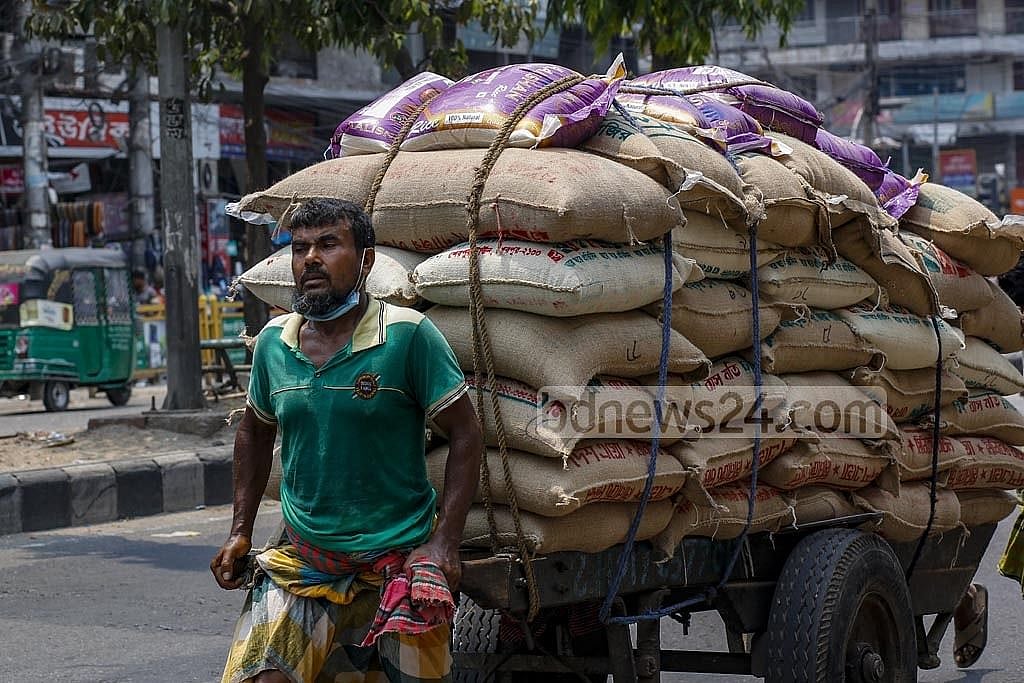
Food prices usually rise in early autumn, but that was not the case this time around, he said. Even the areas that face hunger in a cycle of poverty called Monga once a year had no shortage of food, the minister claimed. “Rice prices didn’t rise in the last month and a half. They are higher than before but stable,” Razzaque said, admitting that some people are “having a tough time”.
Food prices, especially rice, increased at smaller rates than Razzaque feared, considering the fall in food imports due to higher dollar value and prices on the international market. This indicates a strong supply chain, the minister said.
He said the government was supposed to bring in 530,000 tonnes of rice from abroad from July until now, but only 100,000 tonnes were imported. “We were supposed to import 600,000 tonnes of wheat but only 154,000 tons were shipped in. Yet rice prices didn’t rise dramatically. It indicates that the food shortage is not too much.”
Each tonne of wheat is normally sold at around $250 around the world, but the prices have shot past $500. Usually, higher wheat prices send the cost of rice soaring as well, he said.
Authorities greenlighted the private sector to import 1.5 million tonnes of wheat after July, but only 150,000 tonnes were brought in.
Sadhan urged people to “remain positive and stop spreading panic”.He said although import markets in Ukraine and Russia were locked out, it was open in Brazil and Argentina. But many would not be able to import wheat as per the demand due to the higher prices.
“In that case, the domestic supply chain will face a lot of pressure. So the government has planned to import an additional one million tonnes of rice. These are entering the market gradually. We also secured a deal with Russia to import 500,000 tonnes of wheat. Russia will send two ships every month, each carrying 50,000-52,000 tonnes of wheat.”
He said the recent Cyclone Sitrang and a lack of rains cast a pall on harvests in the Aman season, but the worries are over now.