Published : 10 Apr 2023, 12:13 AM
Updated : 10 Apr 2023, 02:22 AM


Issues like default loans exist in banks all over the world and they need more capital, along with regulatory supervision, to end these problems, Salman F Rahman has said.
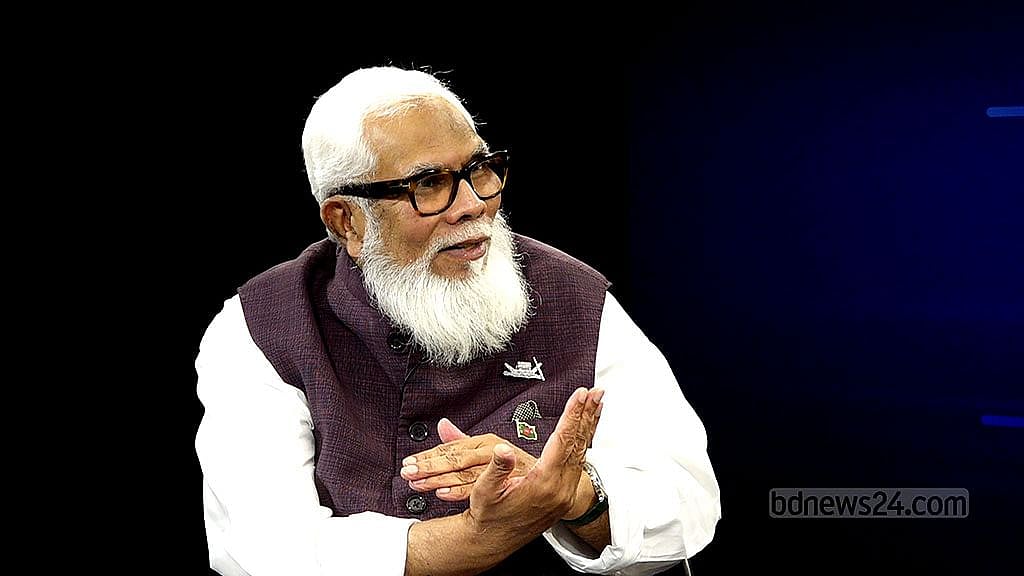
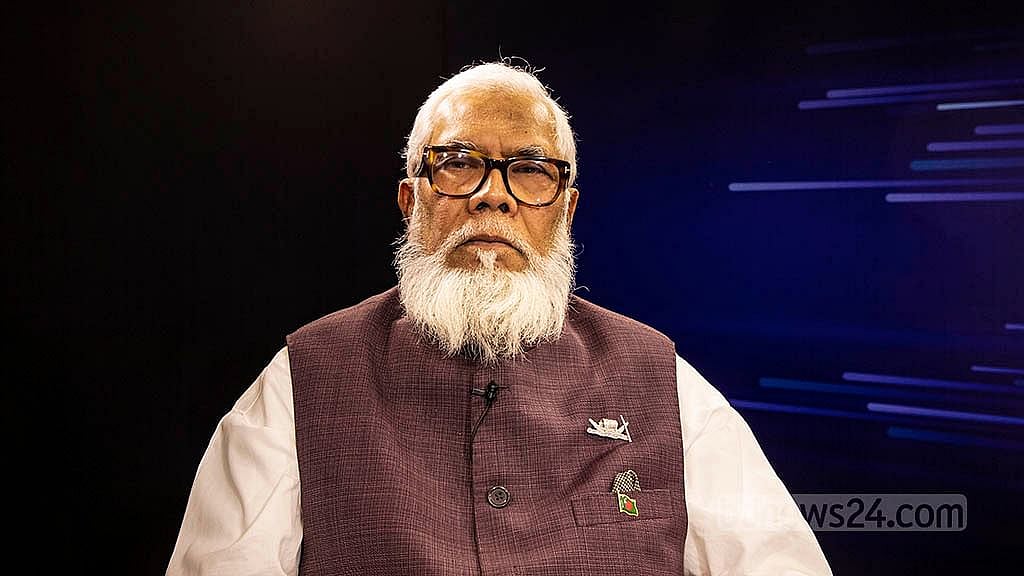
The prime minister’s advisor on private industry and investment, discussed Bangladesh’s economy, banking sector and many other issues on bdnews24.com’s talk show ‘Inside Out’ on Sunday.
“I don’t think there’s ever going to be an end to this from what I see internationally. Even a bank like Credit Suisse has a problem like loan defaults,” he said.
“So in the banking system, you have this problem all over the world. It’s not exclusive to Bangladesh,” said Rahman, a vice-president of Beximco Group.
“In India, there were recently, two-three years ago, huge bank scams. The banking business is such that these problems will recur. What you need to do is every time something happens, you improve the regulatory environment and supervisory requirements. It’s also happening in Bangladesh.”
Salman said he talked to the central bank and they feel the same that “actually what we need to do is to increase the capitals of the banks”.
“So if a problem occurs, the banks will have enough capital to solve it. That’s number one.”
“Number two is regulatory matters; enforcement, and punishment,” he said, claiming that Bangladesh was doing well in this area.
He said the Hall-Mark scamsters have been in jail for a long long time. “Wherever there was a deliberate fraud taking place, action was taken.”
“Stopping a crime before it happens is difficult. It is important to detect the crime and punish the criminal.”
He also said a law has been drafted to create a body for debt collection to cut defaults or follow other countries that succeeded in cutting bad debts.
‘IMF LOAN SIGNALS ECONOMY IS IN GOOD SHAPE’
The government was “very prudent” to seek support from the International Monetary Fund as a “precautionary measure” to create a buffer against depleting foreign exchange reserves, Rahman said.
And the approval of IMF loans signals Bangladesh’s economy is in a “good shape”, the prime minister’s advisor added.
He discussed the challenges facing Bangladesh, domestically and internationally, in achieving its desired goals, and the government efforts to tackle them.
As long as the Russia-Ukraine war rages in Europe, the challenges for Bangladesh will continue because the country depends much on imports, especially costly fuel, the former FBCCI president pointed out. “And I don't see any signs of the war ending.”
“We had, as you know, tackled the challenge of COVID very successfully. But unfortunately, this war, Ukraine-Russia war, affected us pretty badly. In three areas we got very seriously affected, one area was energy prices. The energy prices, as you know, went up,” Salman said.
“Now, of course, they are again coming down. But then recently, the OPEC countries have again reduced production, so oil prices have again gone up. Energy prices are fluctuating. As long as this fluctuation in energy prices remains, it will always affect Bangladesh, because we are very much dependent on energy import.”
The prime minister’s advisor said the dollar has been gaining strength due to the Federal Reserve increasing interest rates, which “very badly affected” Bangladesh’s economy.
“We had to have our taka depreciated quite drastically, over a very short period of time. So that had an impact on our import costs. And that also led to inflation.”
“The third area was the international prices of both food and fertiliser going up. So that is, you know, we are very much dependent on imported fertiliser also. So when the fertiliser prices went up, that also had an effect on our economy. But things are improving.”
“I think we, the government, took some very, very pragmatic steps, we reacted very fast. And that is why I think, relatively speaking, compared to other countries, both in the region, as well as internationally, Bangladesh has faced these challenges much more successfully than the other countries could do.”
Salman said cutting import bills drastically by putting controls on imports was an important thing the government did. Import costs have decreased by almost 50 percent in a year, according to him.
“So, by reducing our import, you know, by ensuring that non essential items are not imported, and generally, also controlling over-invoicing, under-invoicing – all of that, we have been able to bring our country, not to a position what it was previously in, but at least to a manageable level.”
“The other thing which the government did, it was very prudent, I think, and it was a precautionary measure. What we did was to go to the IMF and negotiate a loan and not only negotiate the loan but also get a disburse in a very short time.
“So that sent a very strong signal internationally that our economy is in a good shape, otherwise, the IMF would not have given us a loan so quickly.”