Published : 29 Nov 2026, 12:37 AM
Updated : 29 Nov 2026, 12:37 AM


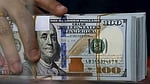
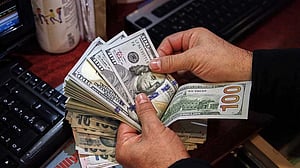
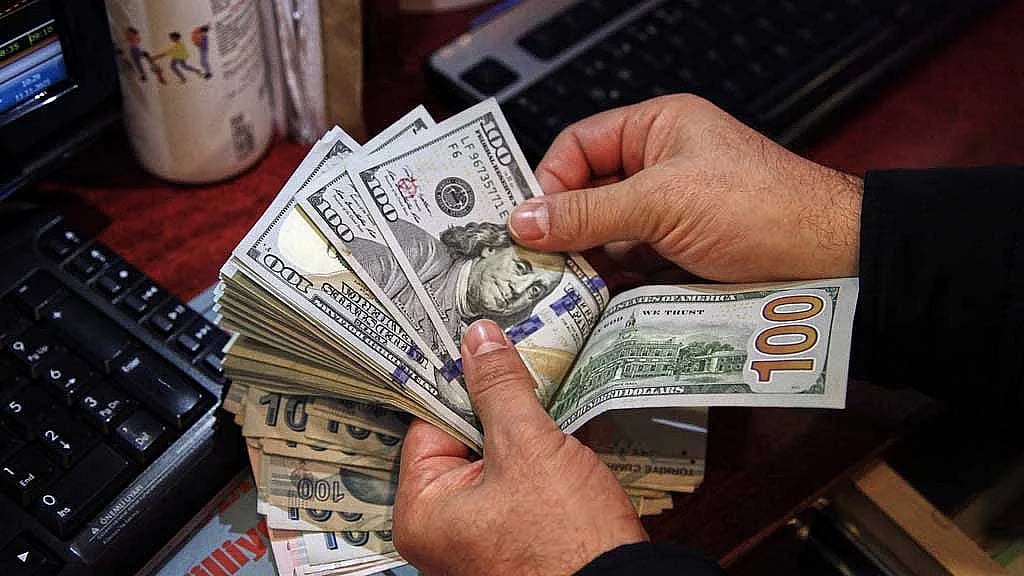
Bangladesh’s dollar market is under growing pressure, with open-market prices reaching Tk 130 even as the interbank rate remains around Tk 124.75, widening the gap between the two markets.
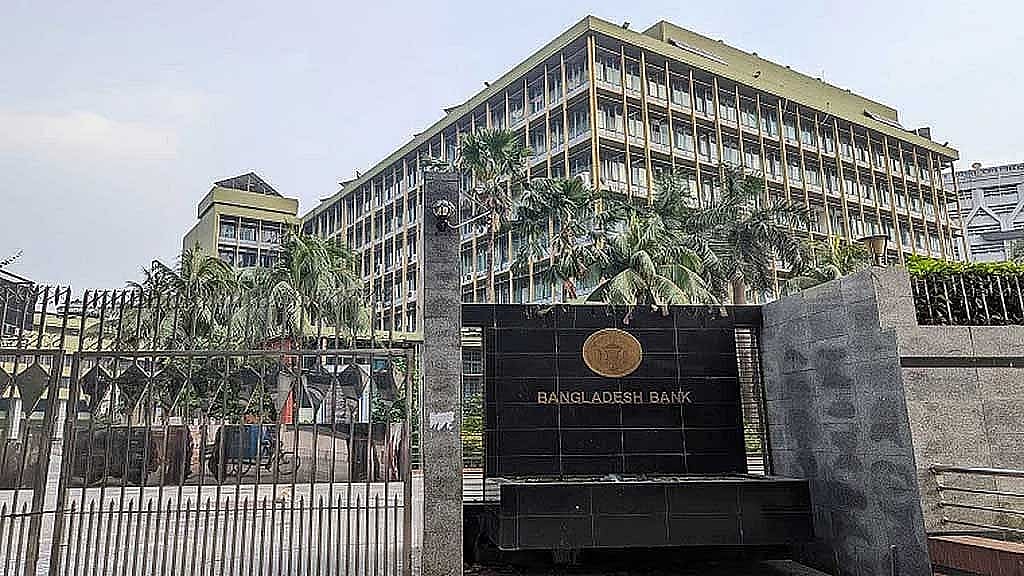
Bangladesh Bank said on Saturday it was monitoring exchange houses selling dollars at higher prices and would act against those making excessive profits.
The central bank has also directed banks not to sell cash dollars above the rate used to settle import payments, curbing their ability to charge extra for cash transactions.
Why Prices Are Rising
Money changers say demand for US dollars has outstripped supply as import costs rise ahead of Ramadan, while global conflicts, instability and inflation have added to the pressure.
Bangladesh Bank spokesman Arief Hossain Khan, however, said exchange houses were exploiting higher demand to make extra profit.
“Exchange houses are selling dollars at higher prices and making excessive profits,” he told bdnews24.com.
“As Ramadan approaches, letters of credit have increased, while import costs, including fuel, have risen. We are monitoring the market and will act against those making excessive profits.”
A letter of credit (LC) is a bank guarantee that assures an exporter will be paid once it ships goods to an importer.
The competing explanations come as imports rise faster than exports, adding pressure to the foreign-exchange market.
In the first quarter of the 2026-27 fiscal year, import payments climbed more than 15 percent, while export earnings rose 7 percent. Remittances increased 13 percent in July-October.
The Market Right Now
• Interbank dollar rate: Tk 124.75 on Thursday, up 0.61 percent in a month and 1.80 percent year on year. The interbank market is where banks trade foreign currency with one another.
• Open-market selling rate: Tk 130 on Saturday, up from Tk 128 on Oct 28. The open market, or kerb market, is where individuals and businesses buy foreign currency from money changers.
• Money changers’ buying rate: Tk 129 on Saturday.
• Street-level selling rate: Tk 130.40 in Dhaka’s Motijheel and Gulshan on Thursday, according to traders.
• Banks’ remittance rate: Banks bought dollars sent by migrant workers at Tk 125–126 on Thursday.
• Banks’ import rate: Banks sold dollars for import payments at up to Tk 125.30 on Thursday.
The interbank market is where banks trade foreign currency with one another, while money changers serve individuals and businesses buying dollars outside the banking system.
Reserves Edge Lower
Bangladesh’s foreign currency reserves dipped after the country settled a $1.64 billion payment to the Asian Clearing Union (ACU) on Nov 5 for imports in September and October.
• BPM6 reserves: $29.54 billion on Nov 24, down from $29.81 billion on Apr 2.
• Gross reserves: $34.35 billion on Nov 24, compared with $34.43 billion on Apr 2.
Both measures remain above their levels a year earlier, when BPM6 reserves stood at $26.42 billion and gross reserves at $31.13 billion.
Banks Face Tighter Limits
In a letter to bank chiefs on Wednesday, Bangladesh Bank barred lenders from selling cash dollars above the BC (bills collection) selling rate, which is used to settle import payments.
Banks have typically charged Tk 1–2 more for cash dollars than the import rate. The directive is intended to protect customers and steady the foreign-exchange market.
The dollar market has turned truly volatile as import costs shot up, said the managing director of a private bank, who asked not to be named.
“The central bank is taking several steps. We hope the market will return to normal,” the banker said.
Exchange houses have little choice but to sell dear because they buy dear, according to MS Zaman, president of the Money Changers Association of Bangladesh (MCAB).
“We have to buy at a higher price, so we sell at a higher price. There is nothing we can do,” he said.
Import costs have climbed ahead of Ramadan, among other reasons, and demand has outpaced supply, he said, expecting prices to settle in a few days.