Published : 07 Jun 2023, 01:51 AM
Updated : 07 Jun 2023, 01:54 AM


[Disclaimer: bdnews24.com will not publish any of the real names of the protagonists in this article since it may violate a patient’s confidentiality.]
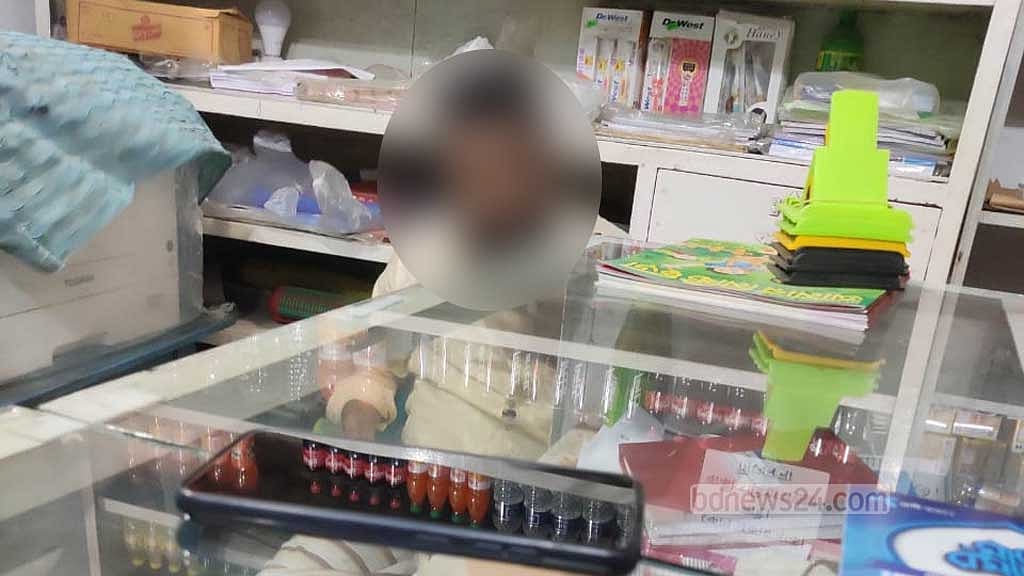
Sirajul Islam (not his real name), a family man in Anandanagar under Natore’s Gurdaspur Upazila, owned farmlands and a convenience shop at the local marketplace.
Sirajul’s otherwise happy life was severely disrupted a few years ago when he was diagnosed with kidney-related complications, and doctors advised him that he was on the verge of complete renal failure.
It cost him at least Tk 10,000 to go to Rajshahi and do dialysis three times a week.
To cover the fees, he first burned through his savings, sold off his wife’s jewellery and farmlands, his shop, and eventually his home for the treatment.
Sirajul’s elder sister was willing to donate her kidney but was disqualified because of her advanced age.
“Our elder sister could not save our brother despite trying her best. Bangladesh law doesn’t allow receiving a kidney from a non-relative. And taking a kidney from kidney traders may risk jail and other punishments. Hence we never opted for it. Finally, our brother died,” said Samad’s elder brother.
By following the letter of the law, Sirajul and his family could not go beyond “close relative” donors for kidney transplantation, but Anjam Chowdhury (not his real name) from Bergangaram village did not have any qualms about bending the rules.
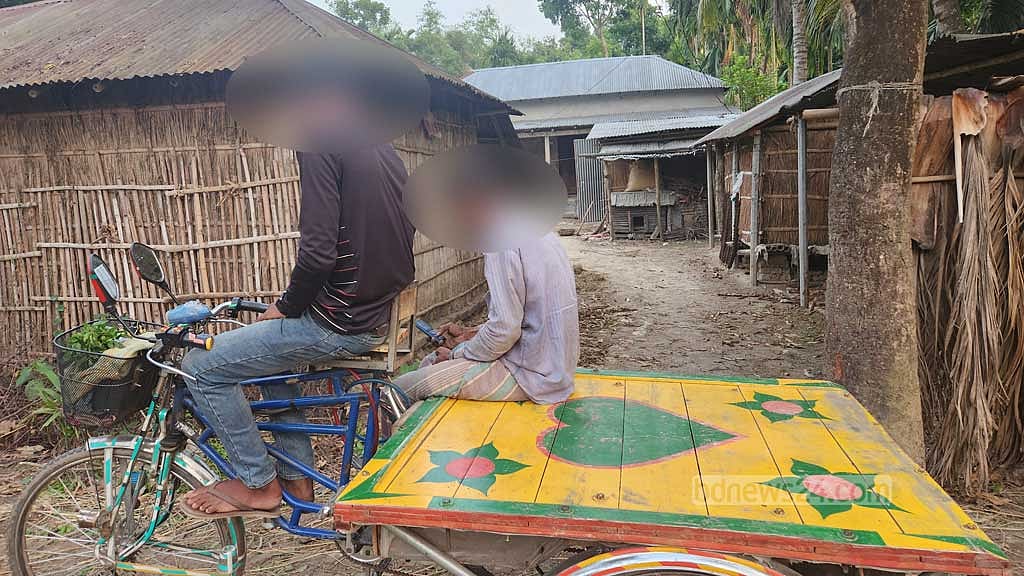
Anjam, a man in his forties, allegedly received a kidney from rickshaw-van mechanic Md Kashem (not his real name), who was not his blood relative.
While Kashem admitted selling his kidney to Anjam, the recipient denied it, saying he received the kidney from a relative.

“I can’t describe the suffering I went through. I survived it and am now keeping well. Please pray for me,” Anjam said.
Illegal trading of kidneys has boomed in Natore’s Gurdaspur lately, exploiting the poverty and debt of the people in the low-income bracket. Many people who have already sold off their kidneys now become part of the cartel involved in this illegal business.
Posing as a potential donor, this bdnews24.com correspondent spoke to 10 people, including five donors, two recipients, and one other person who was disqualified from donating their kidneys in the Upazila’s Garishapara, Anandanagar, Shikarpur-Sahapur, Najirpur, Chachkoir Bazar, Madhyampara, Bamankola, Jumainagar, and Khalifapara over the last one month.
The investigation revealed that at least 50 people in different villages of the Upazila sold one of their kidneys. Oppressed by poverty, people willing to sell their kidneys contact the intermediaries themselves.

In the process, a middleman brings a kidney donor secretly to Dhaka. Then the necessary medical tests and reports of the donor are prepared. The donor and recipient are then taken to India, where the kidney transplantation takes place.
Bangladesh organ transplantation laws prohibit donating kidneys in such a manner.
WHAT THE LAW SAYS
The Human Organ Transplantation Act-1999 allows only close relatives like sons, daughters, parents, siblings, uncles, aunts, first cousins, and spouses to donate organs.
According to the 1999 Act and its 2018 amendment, 23 types of close relatives can donate kidneys. Section 9 of the Act bans trading in human organs, getting organs in exchange for gifts, or publishing advertisements to this end.
Any relative or others proved to be selling their organs or assisting in such an act can be punished with three to seven years in jail, a minimum Tk 300,000 fine, or both, said Ataur Rahman Liton, a lawyer at Natore Judges' Court.
The World Health Organization (WHO) believes that kidney ailments are on the rise alarmingly across the globe. Bangladesh Kidney Foundation said that as many as 40,000 people in the country suffer from kidney failure every year.
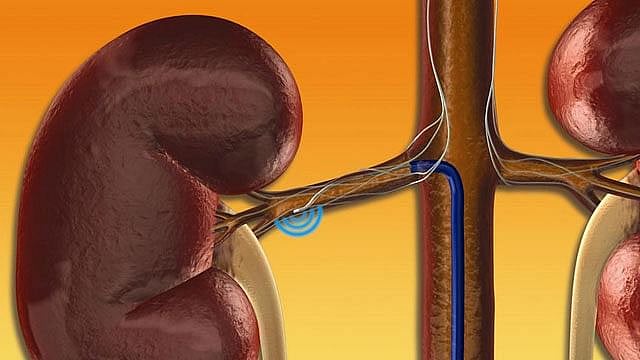
As the number of kidney donors is relatively small, the price of the organ is always high. Kidney patients survive using a dialysis system, which is quite expensive. Besides, kidney transplantation is an expensive and complicated process, doctors say.
THE INDEBTED, POOR ARE KEY TARGETS
Anjam said he spent Tk 4.4 million on kidney transplantation in total.
Kashem said he received only Tk 450,000, and the intermediaries pocketed the rest of the money.
Both Anjam and Kashem claimed the transplantation was done in Dhaka, but their neighbours claimed that, to the best of their knowledge, the duo travelled to India for the transplantation.
Kashem, meanwhile, conceded that he sold one of his kidneys to cover some of his debt and later worked as a middleman in selling two kidneys and has two cases in the process of selling.
Now he is also encouraging his wife to sell one of her kidneys.
Clinical texts suggest that a person who has donated one of the kidneys will require lifelong treatment and will not be able to do heavy work.
Kashem claimed otherwise, though.
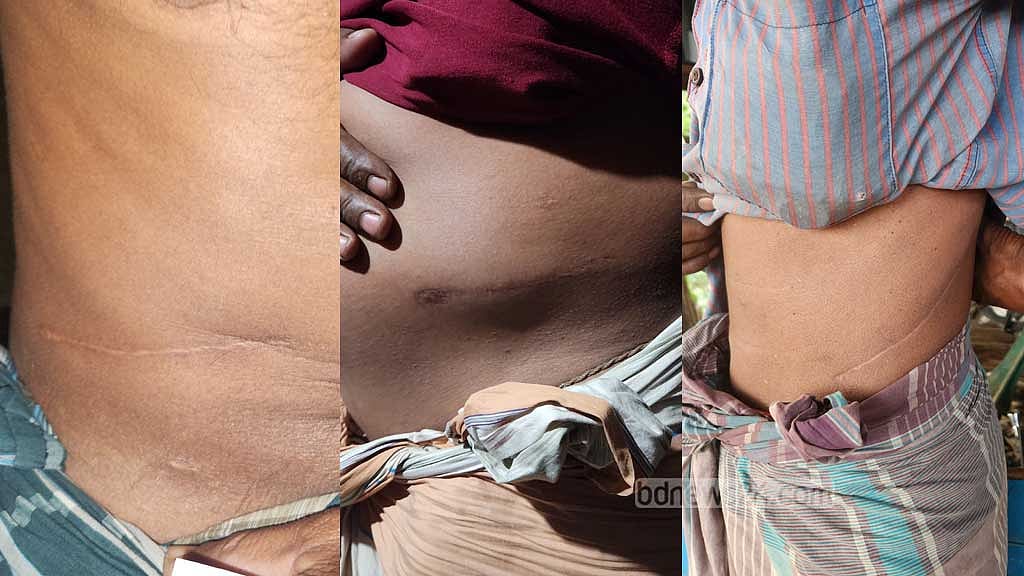
“I have no problem. I'm keeping well like I was before [donating a kidney]. I spoke to other donors; they also never had any issues. I'm driving my rickshaw van, digging soil, and not evading any physical work. All we need is to have faith in the almighty,” he said, showing the surgery scar on his body.
Other interviewees had more or less similar stories to tell.
Financially, as the investigation indicates, most of them had a short respite from financial trouble after selling their kidneys but became indebted again. Some of them, just like Kashem, went further and pushed their spouses to sell off their kidneys to repay their debts.
The five former kidney donors-turned recruiters bdnews24.com had spoken to in Gurdaspur were unwilling to leak information about their associates in Dhaka or the shadowy figures behind the operation.
However, they revealed the name of one Abbas Mia (real name), from Garishapara, as the kingpin of kidney trading in the area.
ABBAS MIA, THE KIDNEY TRADING 'KINGPIN'
According to interviewees, Abbas, a former day labourer and rickshaw puller, sold one of his kidneys at least 15 years ago and then started acting as a middleman himself.
At least four to five cartels similar to Abbas’s operate out of Gurudaspur, people interviewed for this article claimed.
Abbas currently owns a large townhouse in the Upazila Sadar and rides a motorcycle, locals said.
“Most locals here know that Abbas runs a business selling kidneys. We have known him since his childhood. He managed to pass his days somehow, but he has changed after selling his kidney and even built a new house,” said a rice trader in Garishapara.
“If you ask about Abbas, anyone will respond by referring to him as ‘kidney birch Abbas’ (kidney seller Abbas). Many people have sold theirs (with his help) but do not want to admit it,” said a brick kiln manager in Madhyampara.
After vehemently denying his involvement in the illegal trade, Abbas attempted to intimidate the bdnews24.com correspondent not to publish anything and eventually threatened him with physical harm.
POLICE, ADMINISTRATION IN DARK
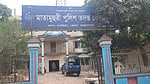
Gurudaspur Upazila Executive Officer, or UNO, Shraboni Roy and Md Monawaruzzaman, chief of Gurudaspur Police Station, categorically said they were unaware of the kidney trade.
“I am not aware of any kidney trade in Gurudaspur. We’ll inform the high-ups once we are informed. If it falls under my capacity, I’ll take necessary actions,” UNO Shraboni said.
“Even if someone runs such a trade, they do it secretly. No one has lodged any complaint as yet. We’ll take action if any complaint is filed,” the police chief said.
Additional Police Superintendent Md Akhtaruzzaman said they did not receive any complaint over the issue and will run an investigation and take legal action when a complaint is lodged.
“We never knew about the matter. We’ll increase our intelligence operations, and the offenders will face serious legal action,” said Natore Deputy Commissioner Abu Naser Bhuiyan.
[Writing in English by Sabrina Karim Murshed and Adil Mahmood; editing by Biswadip Das]