Published : 11 Jul 2023, 03:07 AM
Updated : 11 Jul 2023, 03:07 AM


Dhaka residents were encouraged to nurture more rooftop gardens when the temperature hit the roof this summer. Now that dengue became a menace in monsoon, those rooftop gardens has become a headache.
Aedes aegypti mosquitoes, carriers of the dengue virus, breed in stagnant clear water, and plant pots at the rooftop gardens can provide them a suitable breeding ground, experts worry.
The Dhaka North City Corporation (DNCC) found Aedes larvae in 11 percent of the rooftop gardens in the city in a survey last year. They are finding larvae this year too, said DNCC officers.
Usually, rooftop gardens that are maintained regularly do not pose a risk to be breeding grounds for mosquitoes, said entomologist Dr Kabirul Bashar. Also, mosquitoes do not breed in a place that receives direct sunlight.
As the temperature rose beyond 40 degrees Celsius in April, environmentalists and other experts encouraged everyone to have more greeneries in Dhaka.
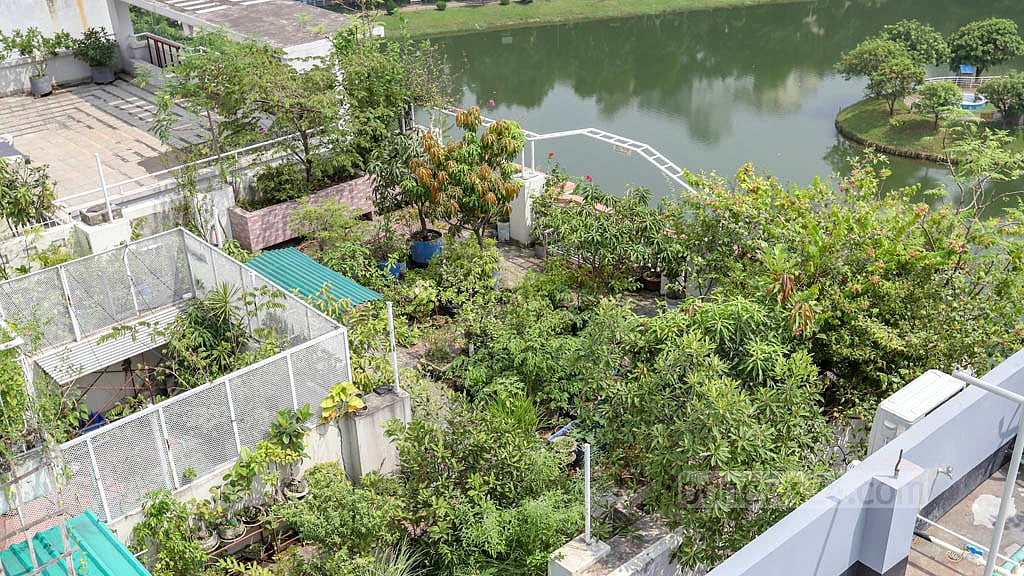
DNCC Mayor Atiqul Islam also said rooftop gardens will help to reduce temperature. As solicited by the DNCC, the government decided to offer a 10 percent discount on housing tax in city and municipality areas if the house has a rooftop garden.
The DNCC, however, deployed drones to help detect and eradicate the larvae of Aedes mosquitoes.
In 2022, the drone survey provided visual data from buildings, and 2,600 of them had rooftop gardens. Aedes larvae were later discovered in at least 300 residences.
This year DNCC inspected 4,484 houses last Thursday and Friday and found rooftop gardens in 528 of them. At least 42 of them had some sources of water there but Aedes larvae were found only in one rooftop.
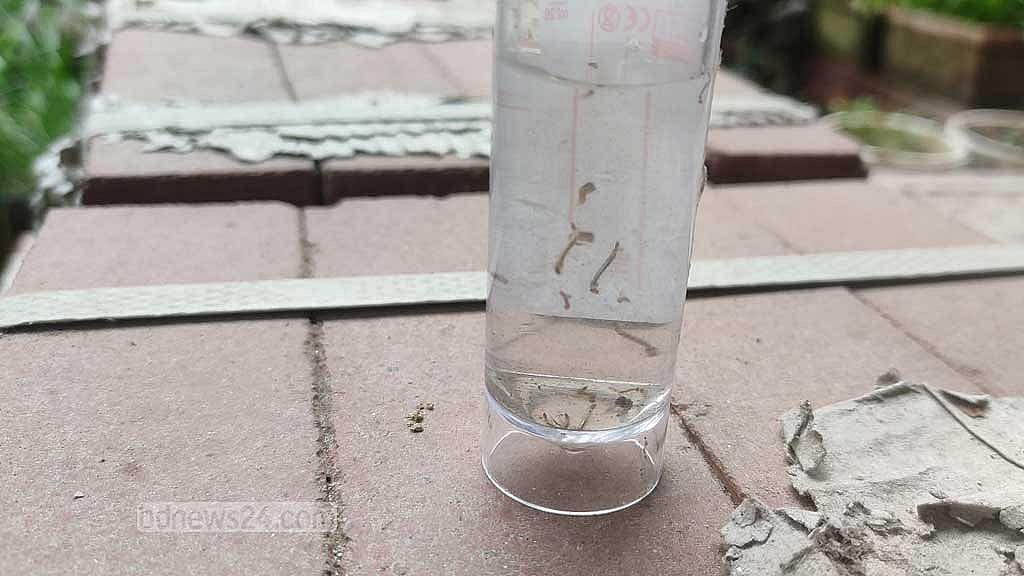
The staff members of the mosquito eradication department of the city corporation visited some houses on Road No. 108 and 117 in Gulshan last Saturday and found Aedes larvae in the rooftop gardens of two houses. No larvae were found in other houses’ rooftop gardens.
“People set up the rooftop gardens as their hobby and maintain them. If the plants have water stagnated at the root, they die. Hence, they don’t let water get stored there. But water may get stored in empty plant pots or other pots which can offer a breeding place for larvae,” said Md Golam Mostofa Sarwar, deputy chief health officer of DNCC.
The Dhaka South City Corporation did not provide any information related to rooftop gardens but its acting Chief Health Officer Fazle Shamsul Kabir said rooftop gardens were definitely a good source of larvae. “We are finding larvae on the plate people put under the plant pots,” he said.
Entomologist Dr Kabirul Bashar, a zoology professor at Jahangirnagar University, however, explained that rooftops get direct sunlight and remain hot most of the time. “Larvae are not found in hot atmospheres.”
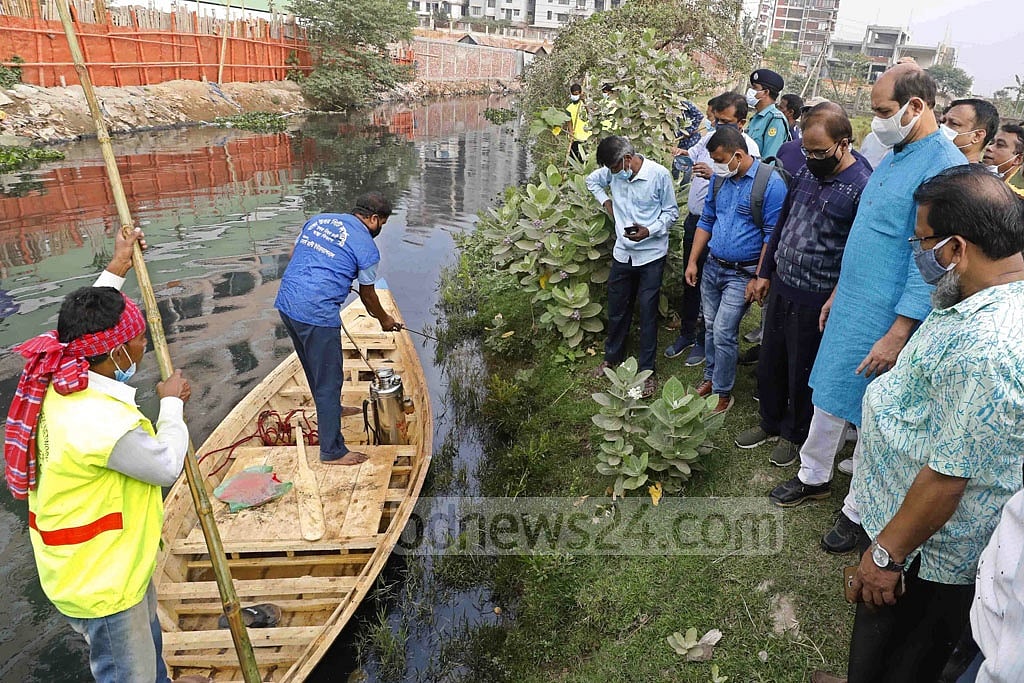
‘CAN’T ACCESS RISKY AREAS’
Not only in the rooftop gardens, but mosquito larvae can also be found in plant pots set up in balconies or staircases, said Dr Kabirul.
On Jun 27, city corporation staff accompanied the surveyors of the Directorate General of Health Services and went to a house on road No. 136 in Gulshan. The house had many flower plants and Aedes larvae were found in the water stored in a plant pot kept in the corner.
Nurunnahar Rahman, the house owner, said she had told the gardener that water should not be stagnated at any place in the garden. But the gardener was on holiday for Eid.
As dengue spreads across the country like wildfire during monsoon, authorities, entomologists and other experts are urging the Dhaka residents to be aware and not allow water to get stored at any place in rooftops, balconies, porches, or in plant pots, trays, and bottles.
This is because those stagnated water could be an ideal breeding ground for mosquitoes, they said.
The disease control department of the DGHS conducted a survey on Aedes mosquitoes from Jun 18 to Jun 27 in 98 wards of Dhaka. They had set up 3,190 wet pots and found Aedes larvae in 722 of them.
“Aedes larvae are found in gardens in balconies, lawns or on ground floors,” said Md Golam Mostofa Sarwar, deputy chief health officer of DNCC.
The staff from both city corporations and the DGHS said they never have access to the gardens on the balconies when they do the surveys. Therefore, the authorities do not know the status of those gardens.
“People allow us to visit the rooftop gardens but not the balconies. Hence we ask them to check and report to us if there’s any stagnated water in the balconies. They check it and report us,” said a DGHS officer who took part in surveys.
Md Golam Mostofa Sarwar, deputy chief health officer of DNCC also said they face the same problem and cannot have any information about larvae found in the balcony gardens.