


Published : 07 Sep 2019, 09:35 PM
Updated : 08 Apr 2022, 02:22 PM


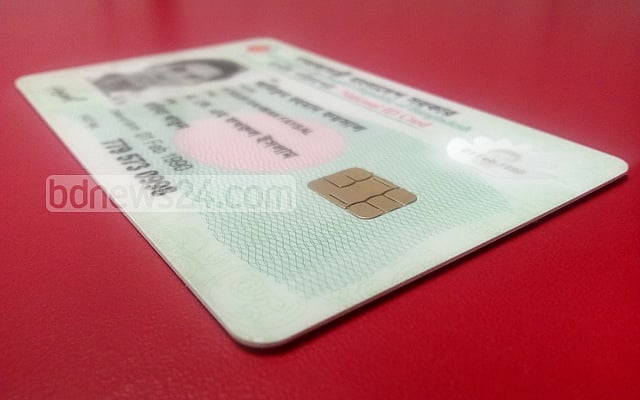
It started smartcard production in October 2015, aiming to complete distribution among 90 million voters. The distribution began in October the next year.
Of the 46 million smartcards produced as of July, 33.3 million cards have been distributed to the voters so far, according to the minutes of the commission’s latest meeting.
Many cards have been left undistributed in the Upazila election offices or the citizens did not come to receive the cards.
“We’ve started to produce the smartcards with the assistance of a foreign company. We’re now handling production ourselves,” National Identity Registration Division Director General Brig Gen Mohammad Saidul Islam told bdnews24.com.
Asked if it is possible to distribute the rest 70 percent of the cards in one and a half years, he said, "Time will tell."
Although the EC aimed to distribute smartcards among 90 million voters at the beginning of the project, the number of voters has now increased to more than 104 million. As many as 8 million more voters will be added to the list by 2022 during the update.
“We’ve overcome some problems identified earlier. The printing work is going on. Undistributed cards will be handed over to the Upazila and city residents under a crash programme,” Islam said.
In July 2011, the EC had taken up a Tk 8 billion project known as Identification System for Enhancing Access to Service with the assistance of the World Bank and the UN Development Programme. Then, it had signed a deal with French company Oberthur Technologies in 2015 under the project.
The project was expected to complete by Jun 2016. Later, the project duration was extended by 18 months to December 2017. The EC had to scrap the deal with the French company complaining that the company was “unprofessional”.
The World Bank showed reluctance to fund the project after the contract with the company was revoked. The state-owned company Bangladesh Machine Tools Factory is now implementing the project funded by the government.












