Released on Thursday, the US government report also identified weak judicial capacity, and lengthy pre-trial detentions as human rights problems Bangladesh faced in 2013.
It said “the government neither released statistics on total killings by security personnel nor took comprehensive measures to investigate cases”. This, despite, the high-ranking government officials speaking about “zero tolerance” and promise to fully investigate all extrajudicial killings by security forces.
“Some members of the security forces acted with impunity,” it said.
The US government said the Bangladesh government did not take “comprehensive measures” to investigate and prosecute cases of abuse and killing by security forces in recent years.
“Weak regard for the rule of law not only enabled individuals, including government officials, to commit human rights violations with impunity but also prevented citizens from claiming their rights,” it observed.
The US Secretary of State John Kerry has submitted the 2013 country-based human rights reports to the Congress in Washington.
“Instances of societal violence against religious and ethnic minorities persisted,” the report said, before pointing to the claims of many government and civil society leaders that “these acts had political or economic motivations and should not be attributed wholly to religious beliefs or affiliations”.
The reports were being prepared with the “factual reporting” from the US embassies and posts in almost 200 countries and territories.
The document cited references of NGOs working on human rights issues like Adhikar and Ain-o-Shalish Kendra (ASK) and media reports while describing Bangladesh’s 2013 situation.
Releasing the reports, Kerry said, this year’s report, “we think, is especially timely”.
“It comes on the heels of one of the most momentous years in the struggle for greater rights and freedoms in modern history”.
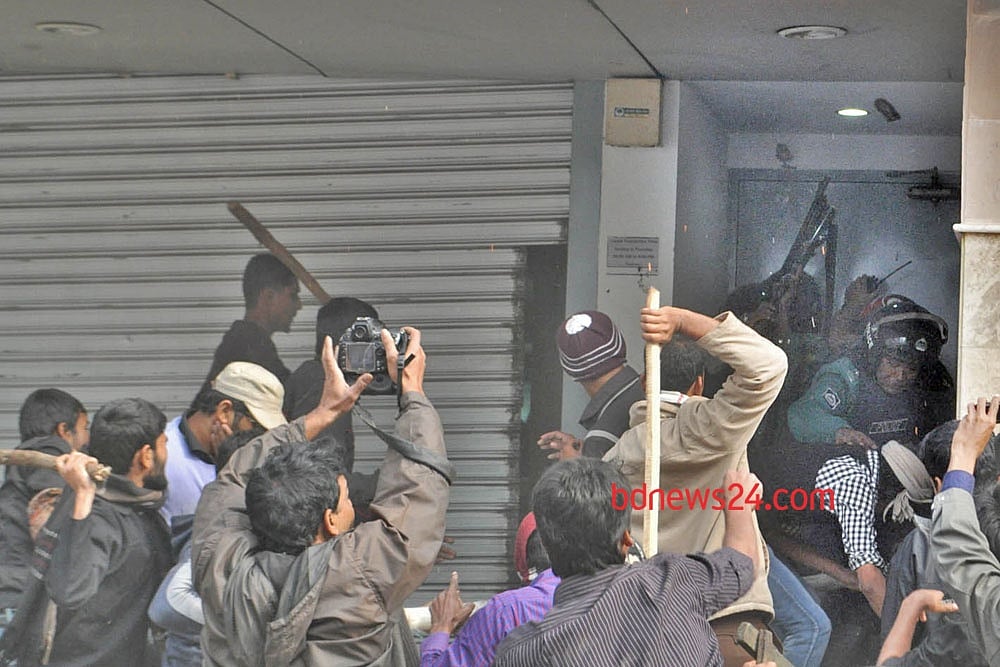
Bangladesh also experienced a turbulent year particularly in the run-up to its parliamentary elections held on Jan 5.
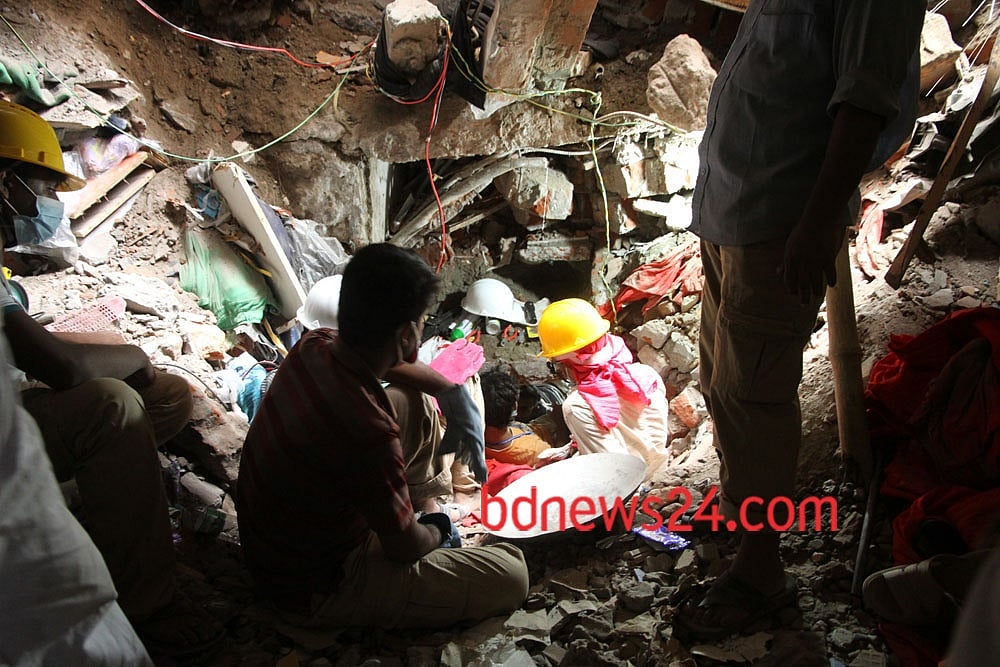
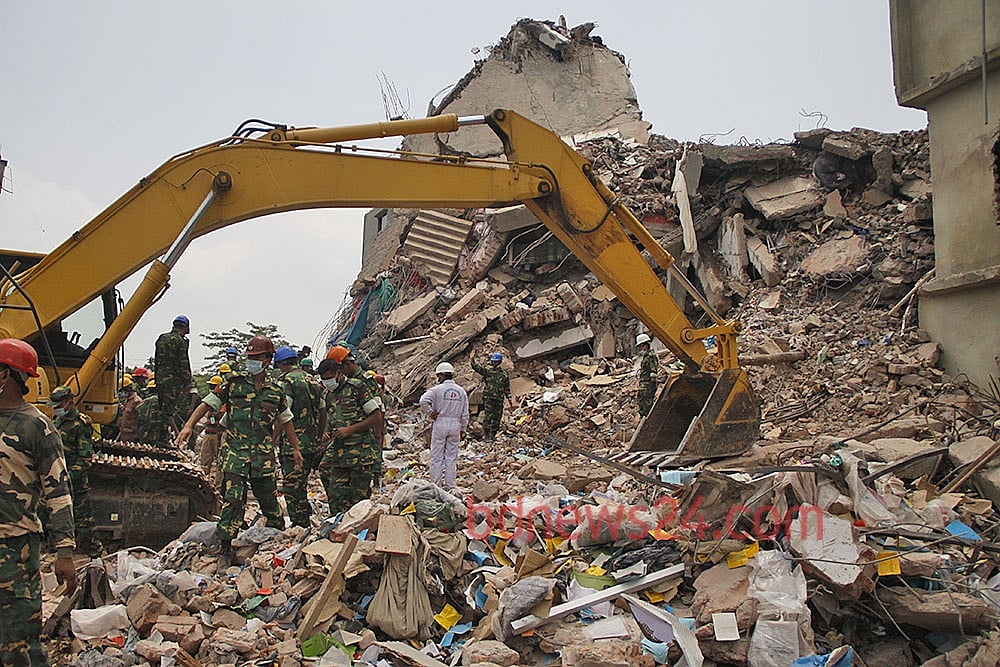
Kerry also in his speech said “thousands of workers perished in the greatest workplace safety disaster in history in Bangladesh” in a reference to the worst-ever Rana Plaza building collapse that killed more than 1,100 people mostly workers.
In the preface, the former US presidential runner said the reports mandated by the Congress helped the US government agencies in shaping American foreign policy.
He said the reports also helped the US citizens, international nongovernmental organisations, foreign governments, human rights defenders, lawyers, journalists, scholars, and others who are committed to advancing human dignity to understand a country situation.
The report held Bangladesh’s authorities responsible for infringing on citizens’ privacy rights.
“Politically motivated violence and pervasive official corruption remained serious problems. Some nongovernmental organizations (NGOs) faced legal and informal restrictions on their activities. Women suffered from unequal treatment,” it said in its executive summary.
“Many children were compelled to work, particularly in the informal sector, due either to economic necessity or in some instances trafficking.
“Discrimination against persons with disabilities was a problem, especially for children seeking admittance to public school.
“Child marriage of girls was a problem. Discrimination against persons based on their sexual orientation continued,” it also documented.
The report also said that “official corruption and related impunity remained problems”.
The Secretary of State in the preface said governments that “commit human rights abuses and fail to hold perpetrators accountable are not only acting against their best interest, but against our own”.
“In countries where human rights are denied, violent extremism and transnational crime take root, contributing to instability, insecurity, and economic deprivation,” he said and vowed that the US would continue to press governments to uphold fundamental freedoms.
In the details of the 42-page Bangladesh document, the report cited the Ain-O-Shalish Kendro report that earlier said, from January to September last year, 189 persons were killed and 10,048 injured in political violence and documented the arrest of opposition BNP politicians in November as “arbitrary arrest”.
Arbitrary and lengthy pretrial detention continued to be a problem due to bureaucratic inefficiencies, limited resources, lax enforcement of pretrial rules, and corruption, the report further observed.
An estimated two million civil and criminal cases were pending, it said.
“In some cases the length of pretrial detention equaled or exceeded the sentence for the alleged crime”.
It said during the year the International Crimes Tribunal indicted, tried, and began rendering verdicts for defendants, some of whom had been held in pretrial detention throughout 2012.
Corruption and a substantial backlog of cases hindered the court system, and extended continuances effectively prevented many defendants from obtaining fair trials due to witness tampering, victim intimidation, and missing evidence.
It also documented the execution of Abdul Quader Molla and the NGO Human Rights Watch’s call that the ICT’s trial of Ghulam Azam ‘unfair’ due to allegations of collusion and bias among prosecutors and judges, failure to take steps to protect defense witnesses, changes in the trial court panel, and lack of evidence to establish guilt beyond a reasonable doubt.
Documenting allegations by human-rights organizations, the report said that the Special Branch of police, the National Security Intelligence (NSI), and the Directorate General of Forces Intelligence (DGFI) employed informers to conduct surveillance and report on citizens perceived to be critical of the government.
The government also routinely conducted surveillance on opposition politicians.
Human-rights organisations and news outlets reported that police sometimes entered private homes without obtaining proper authorisation.
There were some limitations on freedom of speech; perceived misrepresentations or “defamations” of Islam sometimes garnered condemnation.
Some journalists self-censored their criticisms of the government due to fear of harassment and reprisal.
The report also documented the attacks on bloggers.
It also mentioned the attacks on journalists by the then ruling Awami League lawmaker Golam Maula Rony for investigating a corruption allegation against him.
Police have not made arrests in the February 2012 killings of Sagar Sarowar, news editor of private channel Maasranga Television, and his wife, Meherun Runi, a reporter for privatechannel ATN Bangla.
The government indirectly censored the media through threats and harassment.
Quoting journalists, the report said on multiple occasions government officials asked privately owned television channels not to broadcast the opposition’s activities and statements.
“There were no significant government initiatives to foster media independence.”
Individuals and groups generally engaged in the expression of views via the internet. But the regulated BTRC filtered internet content the government deemed harmful to national unity and religious beliefs.
The government also blocked some Facebook pages, including pages depicting the Prophet Muhammad and pages critical of both the prime minister and opposition leader.
Academic publications on the Liberation War were also subject to scrutiny and government approval, according to the report.
For instance, it said on April 3, the then Minister for Planning AK Khandker came under scrutiny from the Prime Minister’s Office for questioning the official account of the Liberation War.
“The minister considered resigning from the cabinet but ultimately did not”.