Published : 07 Oct 2026, 05:05 PM
Updated : 07 Oct 2026, 05:31 PM


The government is preparing new rules to take action against buildings constructed without approved plans or in violation of approved designs, Housing Minister Zakaria Taher has said.
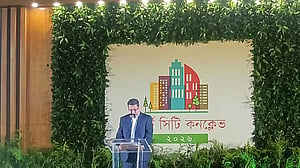
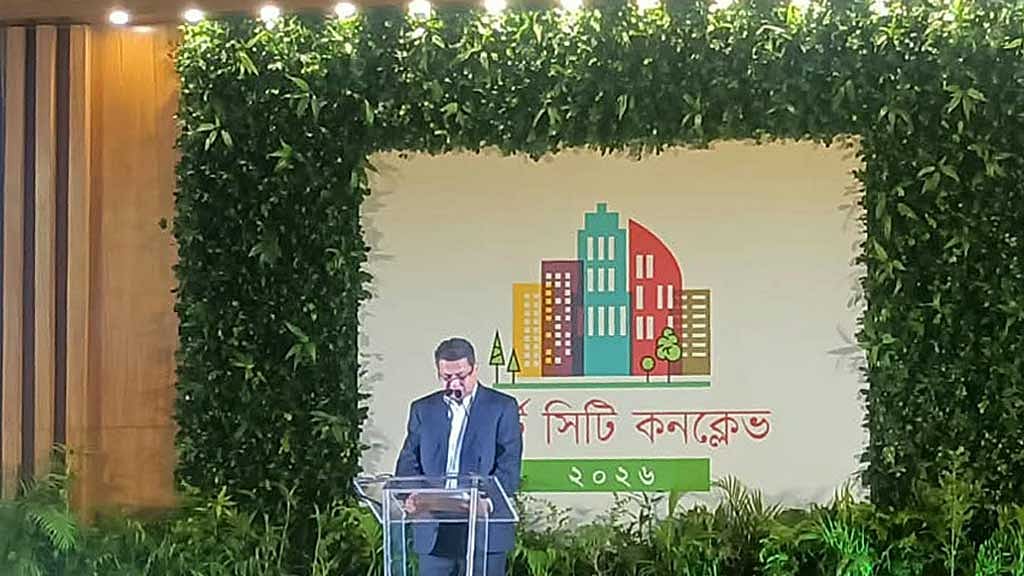
Speaking at the Smart City Conclave 2026 in Dhaka on Wednesday, he said the rules were being drafted and could be placed before the cabinet within about a month.
The minister said the authorities were identifying buildings in the capital that had been constructed without approved plans or had deviated from approved designs.
Once the new rules are approved, he said, supervision would be strengthened and the legal framework made more effective.
Zakaria also called for a fresh population census to support urban planning, saying up-to-date data was needed to draw up more accurate plans.
Through the Urban Development Directorate (UDD), the government has undertaken a plan spanning nearly 10 years, initially focusing on metropolitan cities before expanding to larger cities and Upazila-level areas.
“We will do zoning to determine what should be built where,” he said, describing planning without a proper master plan as being like “shooting four arrows at a target with eyes closed”.
According to the minister, the government has also created six new development authorities modelled on the Rajdhani Unnayan Kartripakkha (RAJUK) in Mymensingh, Sylhet, Cumilla, Narayanganj, Rangpur and Barishal over the past seven months.
Work is under way to establish another in Bogura, he said.
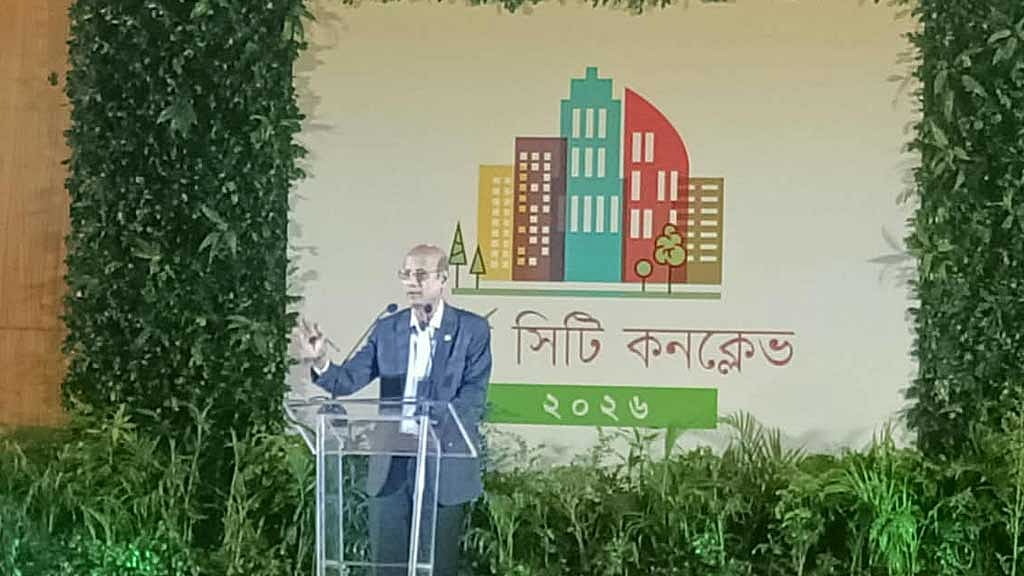
Zakaria said such authorities were needed to ensure checks and balances, as city corporations in some areas both approve development plans and oversee construction.
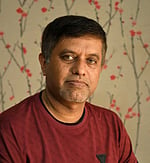
RAJUK Chairman Md Reazul Islam questioned the “lack of reliable data” on Dhaka’s population, saying estimates ranged from 20 million to 30 million.
“How many people can we actually accommodate here for whom we can make a plan?” he said, pointing to the steady flow of people into the capital and the growth of new slums.
Reazul also said Bangladesh could not simply copy urban models from Europe, the United States or Australia because of differences in land availability, population and access to services.
“Rather than a smart city, we want to build a liveable Dhaka where people can live with at least basic facilities,” he said.