Published : 25 Nov 2026, 09:50 AM
Updated : 25 Nov 2026, 10:12 AM


Worker and owner representatives on the wage board have voiced hope that protesting garment workers will return to work after the minimum monthly wage was fixed at Tk 17,000.
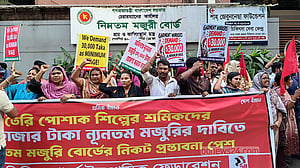
Some worker-side representatives and union leaders are not fully satisfied, but have urged workers to accept the board's decision. However, many labour leaders insist the wage is “unacceptable”.
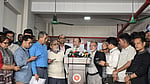
The new structure was announced late on Tuesday, and Babul Akhtar, the workers' representative on the board, called on workers to go back to work. He told a media briefing they are unhappy with Tk 17,000, but must abide by the board's ruling.
“This is not about satisfaction,” he said. “The decision has been made by the board, so what we are calling for now is for it to be implemented quickly in all factories.”
Khadija Akter, general secretary of the Sommilito Garments Sramik Federation, who waited outside the wage board from Tuesday afternoon until late into the night, told bdnews24.com that rising prices make the figure hard to accept.
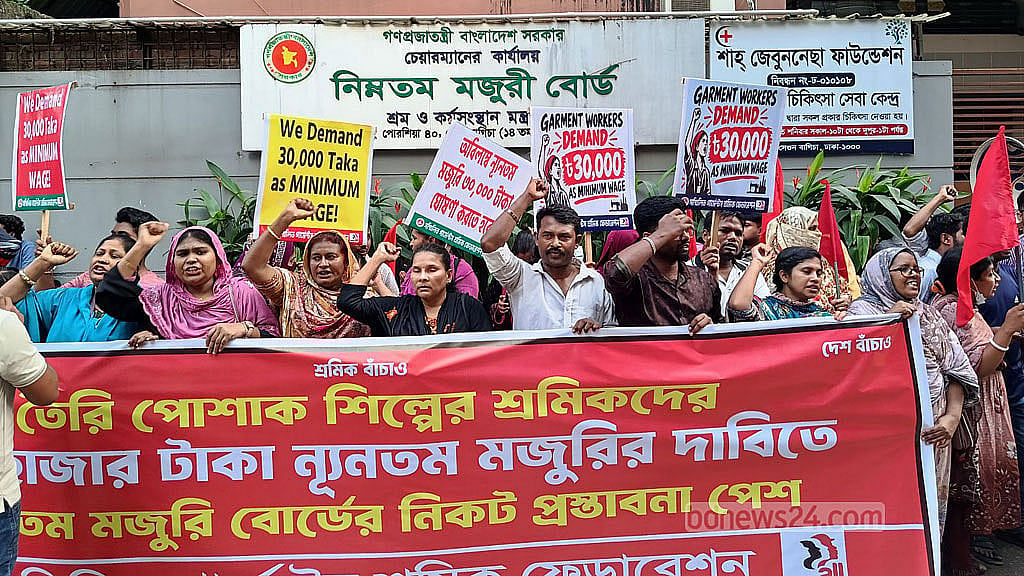
“Look at market prices. Others’ pay has been doubled, and the problem is only with us,” she said. “Our demand was Tk 30,000, and they have set Tk 17,000. We are not satisfied, and we will never accept this.”
The workers’ last demand was for Tk 18,000, she said, but the board chairman announced Tk 17,000 after it won a majority in a vote. “Since the chairman has announced it, we have to accept it even if we do not want to.”
Workers' representative Babul said the movement began with a demand for a wage board, and the process of fixing a new wage moved quickly once it was formed. Union leaders have been asking workers to return since then.
“We also urge the workers: if you have anything more to say, go back to work and speak to your owners through your work.”
He advised workers to contact their unions and press their demands democratically if owners ignore them.
New Pay from January
Board Chairman Syed Azad Subhani said workers will receive the new wage in January, with arrears and annual increments also under consideration. The board is also weighing recommendations that adjust pay for inflation.
Asked whether January salaries could be held up, he said: “Why would they be held up? There is no reason, no scope for it.”
The board will meet on Wednesday after drafting its recommendations, he said.
Labour Law to Deal with Fresh Protests
Babul warned that action will follow under labour law if anyone takes to the streets again after the wage announcement.
“If anyone still protests…everything is covered by labour law, and the law will decide,” he said.
Unlike in the past, he said, there were no shootings, mass sackings, suspensions or lawsuits to suppress the protests this time.
A Month of Protests
Amid demands for a Tk 30,000 minimum, the government reconstituted the minimum wage board on Nov 1 and formed a new wage board for the garment sector.
Workers began returning after the first meeting on Nov 4, when the board announced the new structure would take effect from December. Reports of factory shutdowns amid unrest in Savar and Gazipur continued, though.
At the second meeting on Nov 9, the workers’ side proposed a minimum of Tk 32,000. Owners were due to table their offer at the next meeting but did not.
At the third meeting on Nov 23, they recommended Tk 15,700. The board’s decision late on Tuesday raised that to Tk 17,000.
The last garment wage structure was announced in Nov 2023 and took effect the following month, lifting pay from Tk 8,000 to Tk 12,500, a rise of 56.25 percent.
Discontent among workers persists despite the new announcement.