Published : 11 Jun 2023, 02:29 AM
Updated : 11 Jun 2023, 11:02 AM


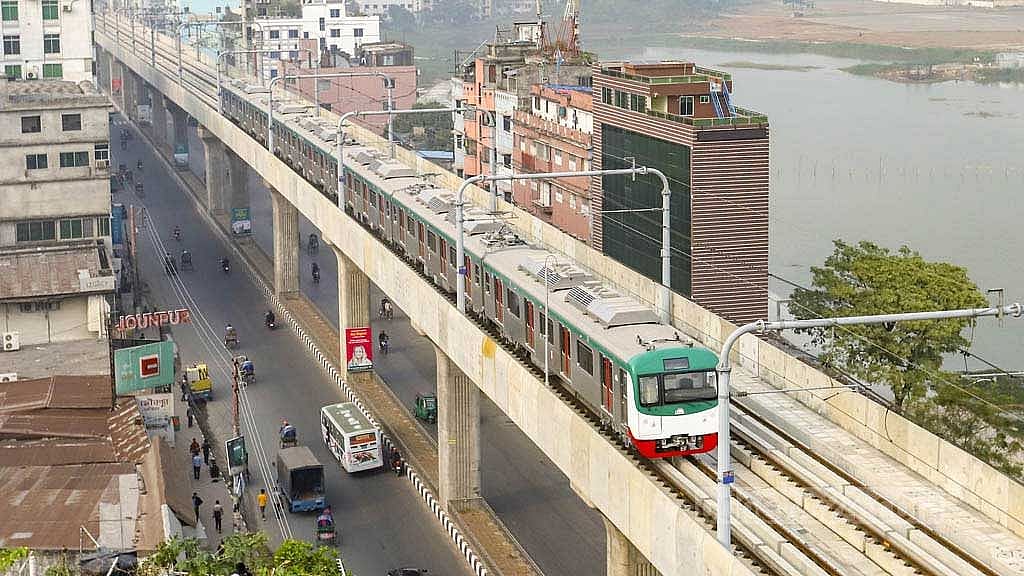
As trains whoosh by overhead ferrying passengers from Agargaon to Uttara, the commuters of jam-packed Dhaka dream of using Bangladesh’s first urban metro rail system to the fullest, with the route to Motijheel opening soon.
The country, however, faces a daunting task: protecting the metro rail.
Tragedies caused by stones thrown at trains are quite common in Bangladesh. A man travelling by an inter-city train almost lost one of his eyes when a stone hit him a few days ago, an incident that shocked the nation.
The Dhaka Metro Rail trains run overhead, making it difficult for pedestrians to hit the trains with stones or brickbats.
But the hundreds of multistorey buildings on the two sides of the route, mostly in the congested neighbourhoods of Mirpur, can make it very simple for a person or any group targeting the metro rail to throw stones at the coaches.
This is exactly what happened when a stone came flying at a metro train on its course between Kazipara and Shewrapara areas on Apr 30.
The stone pierced through the large window glass of a slick and shiny coach brought from Japan.
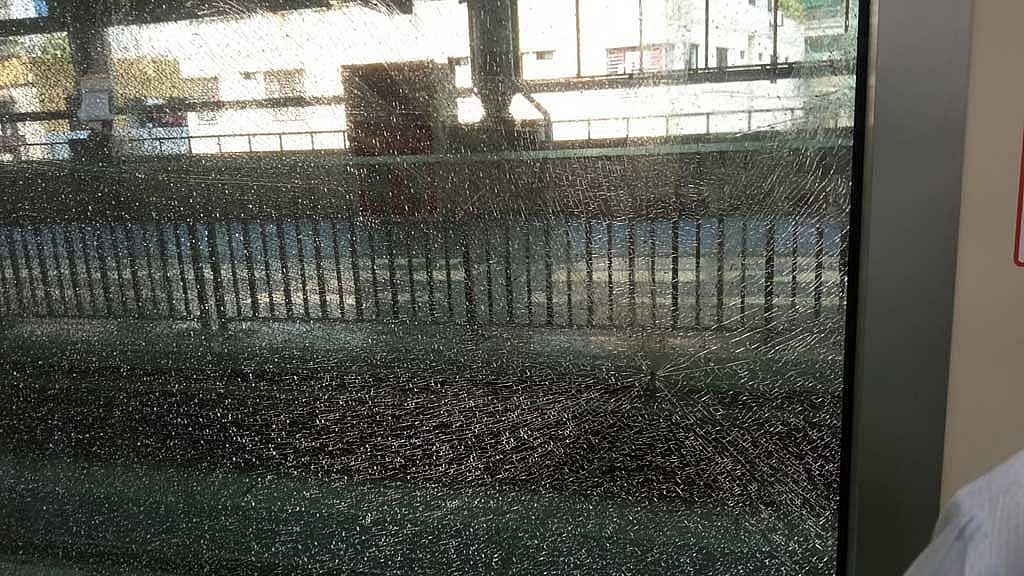
The authorities said Bangladesh would count more than Tk 1 million in repair costs to replace the damaged glass.
Police did carry out an investigation in the several buildings around the area where the incident occurred but failed to identify a culprit.
A separate MRT unit of police is currently being assembled to maintain tight security at the stations, but their job does not include staying on the lookout for stone pelters.
An expert questioned the launch before ensuring proper security for the metro rail.
NUMEROUS BUILDINGS
The 20-km route has hundreds of buildings on either side of the tracks, and many are perfect locations to pelt stones at trains.
Police said the MRT unit would be based in stations to maintain order there. They will also help their colleagues in police stations with information about crimes committed in metro rail zones.

The task of preventing criminal activity from nearby buildings will fall on local police stations and Dhaka Metropolitan Police, said Parvez Islam, chief of Pallabi Police Station.
Mirpur Police Station chief Mohammad Mohsin said: “If any harm comes to the metro rail [from any building], the owner of the building has to take responsibility. They will be asked to set up cameras for the main gates and staircases leading to rooftops.”
“It’s not possible to deploy police at every building; people need to realise that the metro rail is a national asset, and the people have to take care of it.”
Both the officers said building owners were being made aware of the matter.
NOISE BARRIER
Dhaka Mass Transit Company Ltd on its website mentions the construction of soundproof walls to prevent noise pollution.
Noise barriers can reduce the sound and vibration caused by trains running on tracks.
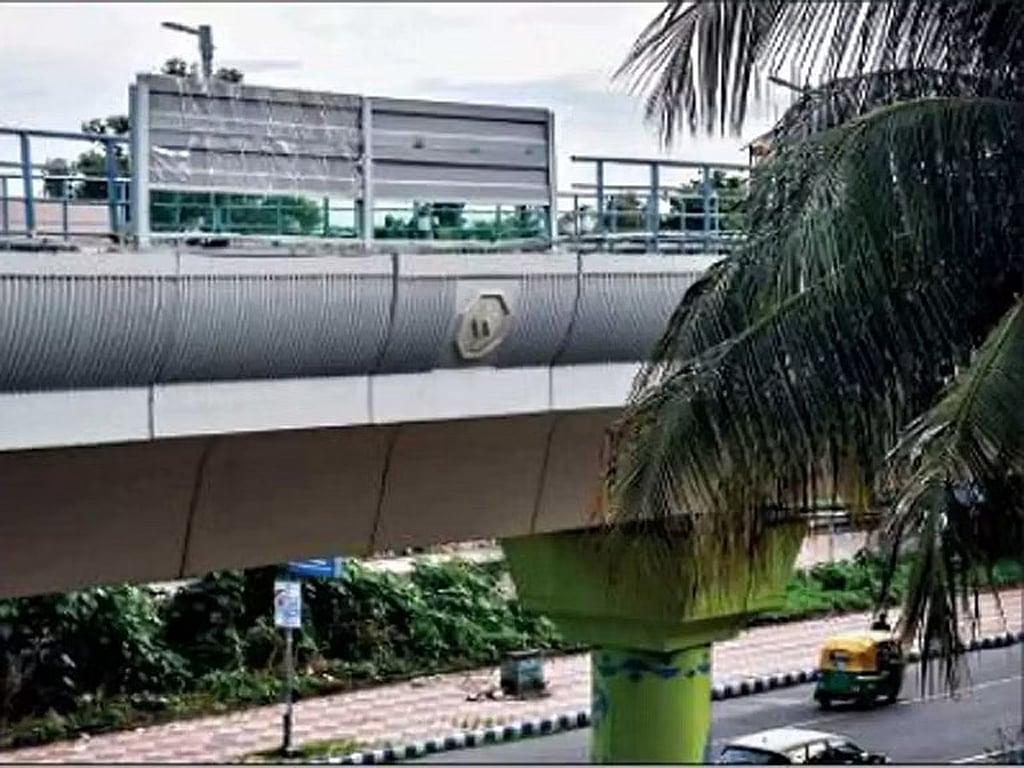
Setting them up will help significantly cut noise pollution at key locations like Dhaka University.
BUET civil engineering Prof Shamsul Hoque said a noise barrier would also block objects thrown at the trains.
“Noise barriers have to be set up for metro rail tracks, something we’ve yet to do. How can we compromise on development when we have Japanese consultants? We might not know about it, but the Japanese are surely aware of the significance of a noise barrier.”
“It’s not just to stop objects thrown from outside, there are many hospitals and educational institutions on its way,” he said, pointing out that authorities could still put up the barriers.
“I’d say whoever threw the stone did it intentionally. If a couple of such acts are punished in an exemplary manner, and if it is publicised, I think no one will do it again.”

“The law that the government has enacted for damaging assets is very harsh. So culprits have to be punished right from the start.”
Mahfuzur Rahman, deputy project manager of the Dhaka Mass Transit Company Ltd, said: the project includes noise barriers, but what Shamsul “meant to say – fencing the tracks –” was a difficult job to do.
“There are electric cables above, and it will be very expensive.”
He seconded Shamsul’s suggestion about punishing stone pelters.
“People need to be on guard so no such acts of pelting stuff take place. If those who did it are strictly punished, no one else will dare to do it again.”
[Writing in English by Syed Mahmud Onindo; editing by Osham-ul-Sufian Talukder]