November 23, 2026

Wickremesinghe wins parliamentary vote to be Sri Lanka's new president

Sri Lankan lawmakers voted in acting President Ranil Wickremesinghe as the new president on Wednesday, hoping his long experience in government would help pull the country out of a crippling economic and political crisis.

Reuters

>> Uditha Jayasinghe, Devjyot Ghoshal and Alasdair Pal

Reuters

Published : 20 Jul 2022, 02:15 PM

Updated : 25 Oct 2022, 10:00 AM

Image
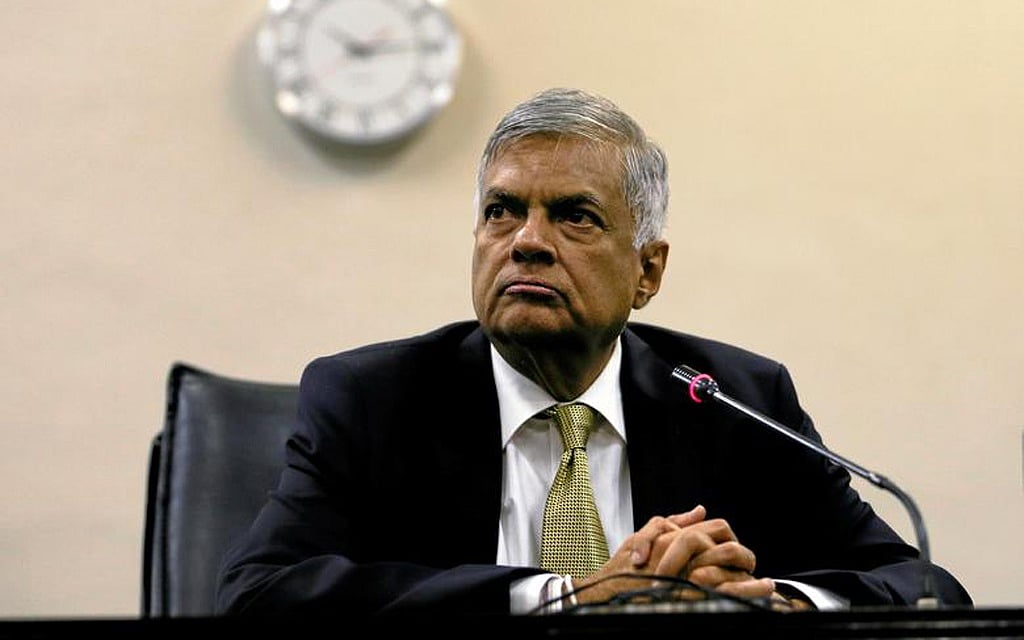
Sri Lankan Prime Minister Ranil Wickremesinghe looks on at a news conference after he survived a no confidence vote in parliament in Colombo, Sri Lanka Apr 4, 2018. REUTERS
Image
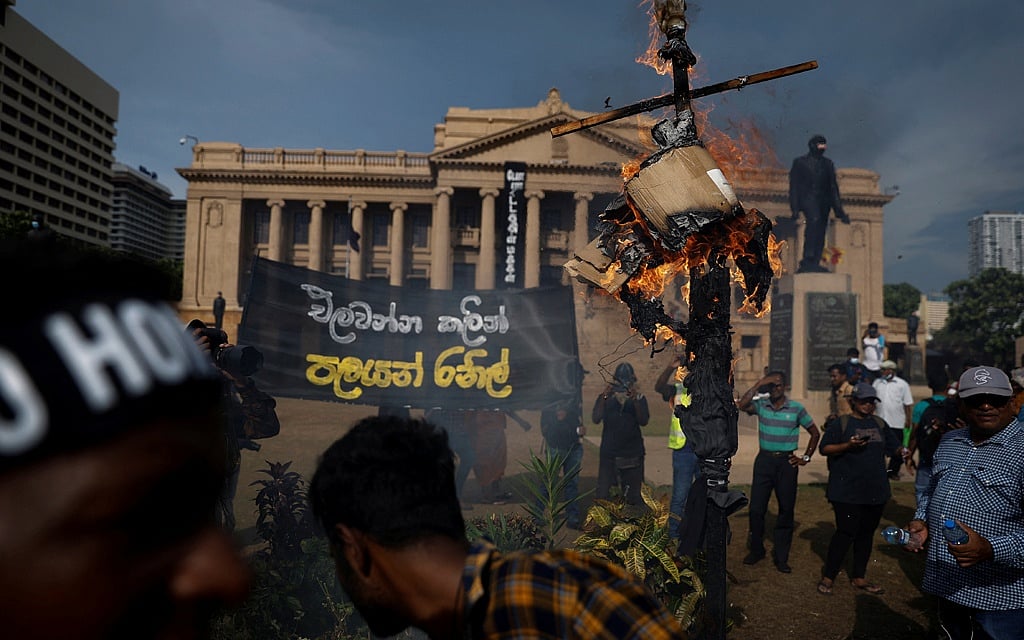
Protestors burn an effigy of Sri Lanka's acting President Ranil Wickremesinghe during a protest outside Presidential Secretariat, in Colombo, Sri Lanka Jul 19, 2022. REUTERS/Adnan Abidi
Image
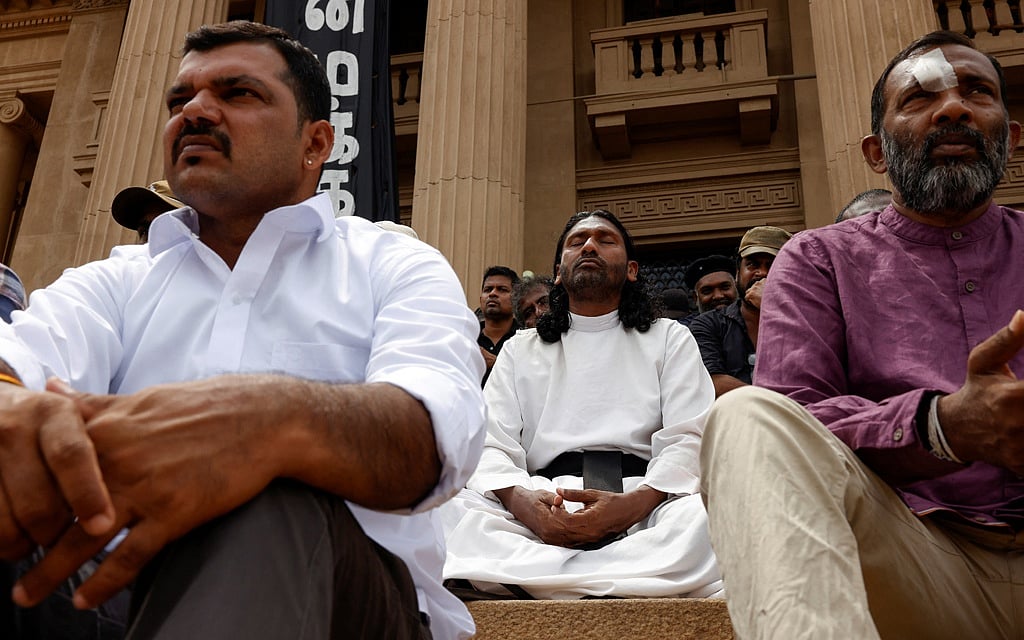
Demonstrators watch a public screen as voting begins to elect the new president at the parliament, amid the country's economic crisis, in Colombo, Sri Lanka Jul 20, 2022. REUTERS
Image
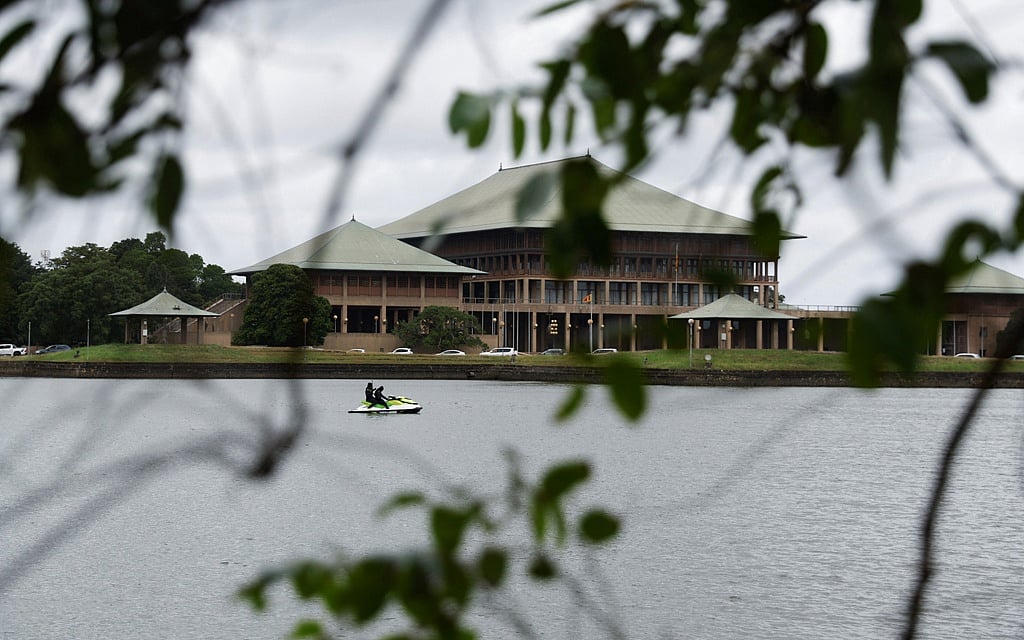
Security personnel patrol on a jet ski on the premises of the Parliament building, as voting begins to elect the new President, amid the country's economic crisis, in Colombo, Sri Lanka Jul 20, 2022. REUTERS
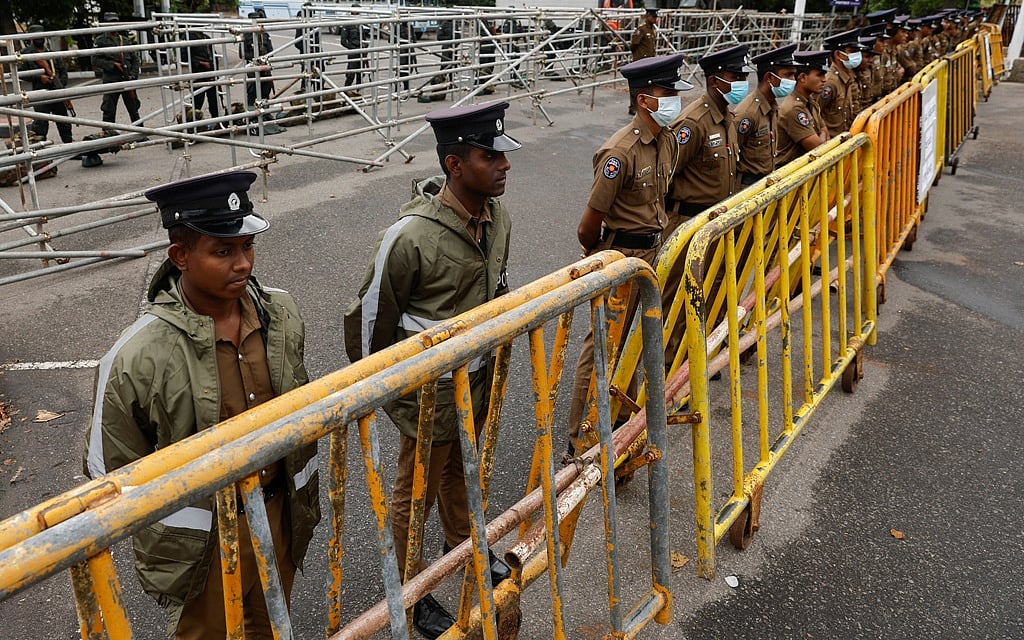
Image
Policemen stand guard at a barricade outside the Parliament building, as voting begins to elect the new President, amid the country's economic crisis, in Colombo, Sri Lanka Jul 20, 2022. REUTERS

The mood of protesters was muted, with only around 100 people on the steps of the presidential secretariat. Many of the hundreds of thousands on the streets who forced the ouster of previous president Gotabaya Rajapaksa last week had wanted Wickremesinghe gone too, labelling him an ally of the Rajapaksa family.

"We're shocked. He's a person handling things in a very cunning way," protester Damitha Abeyrathne said of Wickremesinghe. "He will start controlling us in a different way. As protesters, we will start our struggle again."

Image
Protestors burn an effigy of Sri Lanka's acting President Ranil Wickremesinghe during a protest outside Presidential Secretariat, in Colombo, Sri Lanka Jul 19, 2022. REUTERS/Adnan Abidi

Protestors burn an effigy of Sri Lanka's acting President Ranil Wickremesinghe during a protest outside Presidential Secretariat, in Colombo, Sri Lanka Jul 19, 2022. REUTERS/Adnan Abidi

Chameera Dedduwage, an organiser of previous protests, said one of the goals of the movement was the removal of Rajapaksa, and with that achieved, it "will have to be satisfied with its primary demand".

"Unlike GR, Ranil is not a populist: he's known to be a ruthless pragmatist," Dedduwage said of Rajapaksa, using his initials.

The 225-member parliament gave 134 votes to Wickremesinghe and 82 to the other main candidate, ruling party lawmaker Dullas Alahapperuma. A third candidate, Anura Kumara Dissanayaka, got just three votes, according to the secretary general of parliament.

Image
Demonstrators watch a public screen as voting begins to elect the new president at the parliament, amid the country's economic crisis, in Colombo, Sri Lanka Jul 20, 2022. REUTERS

Demonstrators watch a public screen as voting begins to elect the new president at the parliament, amid the country's economic crisis, in Colombo, Sri Lanka Jul 20, 2022. REUTERS

The win for Wickremesinghe, a six-time prime minister, came despite public anger with the ruling elite after months of severe shortages of fuel, food and medicines.

Wickremesinghe became acting president last week after Rajapaksa fled on a military plane to the Maldives and then took a commercial flight to Singapore.

"Now everyone must come together," the 73-year-old said after his victory.

Image
Security personnel patrol on a jet ski on the premises of the Parliament building, as voting begins to elect the new President, amid the country's economic crisis, in Colombo, Sri Lanka Jul 20, 2022. REUTERS

Security personnel patrol on a jet ski on the premises of the Parliament building, as voting begins to elect the new President, amid the country's economic crisis, in Colombo, Sri Lanka Jul 20, 2022. REUTERS

Alahapperuma, although more acceptable to the protesters and the opposition, does not have any top-level governance experience in a country with barely any dollars for imports and desperately in need of an IMF bailout.

"I accept the decision of parliament," he said. "My effort was to support consensus-based policy-making to provide solutions to a deeply suffering population. I believe the space for that still exists."


Related Stories