


Published : 05 Mar 2022, 12:07 AM
Updated : 03 Aug 2022, 11:36 AM


The vote was 6-3, with the court’s three liberal members in dissent.
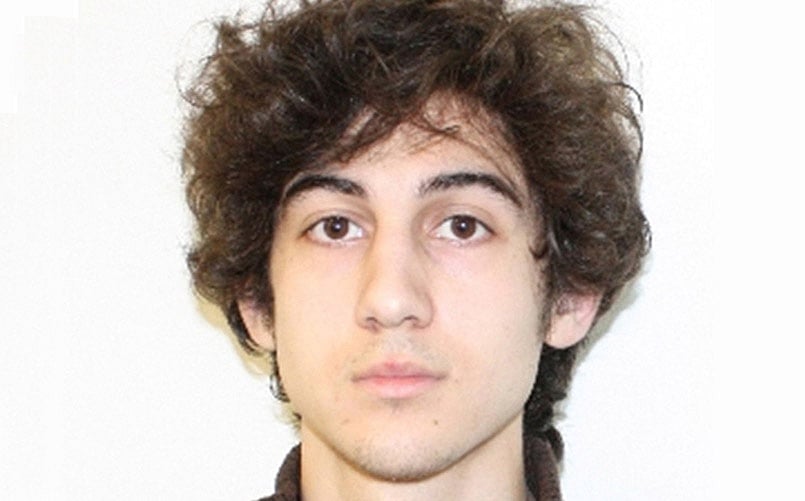
The bombings, near the finish line of the marathon, killed three people and injured 260, many of them grievously. Seventeen people lost limbs. A law enforcement officer was killed as the brothers fled a few days later. Tamerlan Tsarnaev, Dzhokhar’s older brother and accomplice, died after a shootout with police.
A three-judge panel of the 1st US Circuit Court of Appeals, in Boston, upheld Dzhokhar Tsarnaev’s convictions in 2020 on 27 counts. But the appeals court ruled that his death sentence should be overturned because the trial judge had not questioned jurors closely enough about their exposure to pretrial publicity and had excluded evidence concerning Tamerlan Tsarnaev.
After the appeals court ruling, lawyers for the federal government during the Trump administration urged the Supreme Court to hear the case. After the justices agreed to review it, the Biden administration pursued the case, United States v Tsarnaev, No. 20-443, even though President Joe Biden has said he will work to abolish federal executions and the Justice Department under his administration has imposed a moratorium on carrying out the federal death penalty.
Until July 2020, there had been no federal executions in 17 years. In the six months that followed, the Trump administration executed 13 inmates, more than three times as many as the federal government had put to death in the previous six decades.
There was no dispute about Tsarnaev’s guilt, Judge O Rogeriee Thompson wrote for the appeals court panel. But, she added, “a core promise of our criminal justice system is that even the very worst among us deserves to be fairly tried and lawfully punished.”
“Just to be crystal clear,” Thompson wrote, “Dzhokhar will remain confined to prison for the rest of his life, with the only question remaining being whether the government will end his life by executing him.”
Thompson wrote that the trial judge should not have excluded evidence that Tamerlan Tsarnaev had been involved in a triple murder in 2011, which could have bolstered an argument from defence lawyers that he had dominated and intimidated his younger brother.
In a 2013 FBI interview, a friend of Tamerlan Tsarnaev named Ibragim Todashev admitted to participating with him in the robbery of three drug dealers in Waltham, Massachusetts, in 2011. But he added that Tamerlan Tsarnaev alone had slit the victims’ throats. As Todashev started to write down his confession, he suddenly attacked the agents, who shot and killed him.
© 2022 The New York Times Company












