


Published : 30 Sep 2020, 10:42 PM
Updated : 17 Oct 2022, 11:13 AM


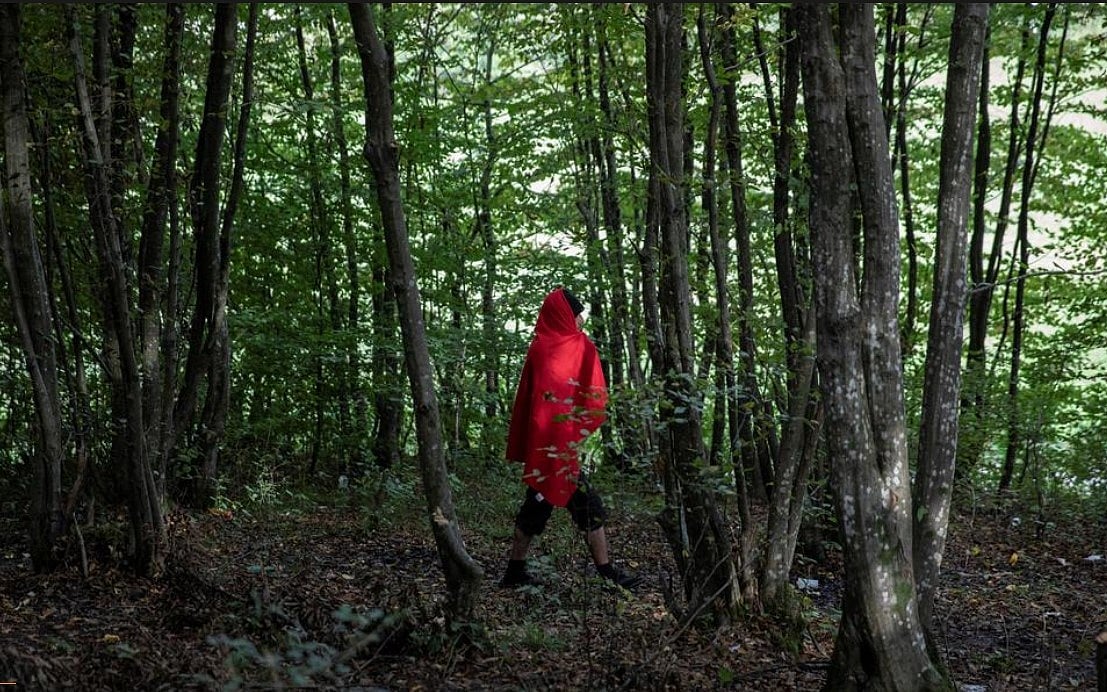
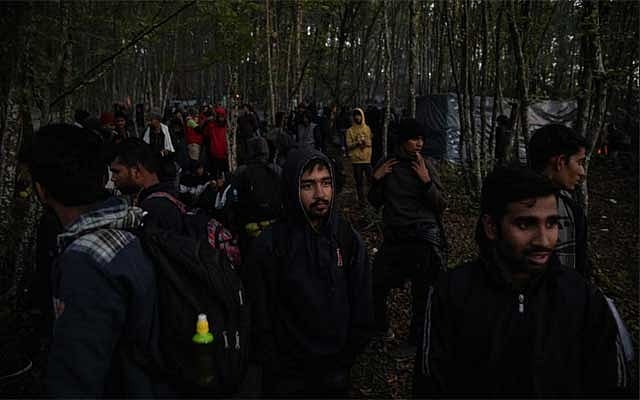
On a cold Wednesday morning, migrants from Bangladesh, Pakistan, Morocco and Algiers shivered in their makeshift tent camp high in the woods above the town of Velika Kladusa, built of cardboard and tree branches and covered with nylon sheets.
Some set up fires to warm up and cook modest meals. Others washed themselves and their clothes in a freezing forest stream, and brushed their teeth with ashes.
Migrants gather before trying to cross the Bosnia-Croatia border what they call "the game", in the woods near Velika Kladusa, September 29, 2020. Hundreds of migrants from Asia, the Middle East and North Africa set up makeshift camps in Bosnian woods near the border with Croatia, attempting to cross into the European Union where they hope for a better life. Reuters
Migrants and refugees mostly bypassed impoverished Bosnia during their mass movements across the Balkans in 2015-2016, but in recent years the country has become a key transit route after EU countries closed their borders to new arrivals.
"[There are] many problems here," said Mahmood Abal from Bangladesh. "No rooms, no water, no medical facilities, no sanitation."
He is one of about 500 men who were turned away from the Bosnian towns of Bihac and Velika Kladusa. Authorities are refusing to host large groups of migrants any longer and are preparing to close down some reception centres.
Sympathetic at first to the plight of the migrants, similar to their own during the war in the 1990s when they were forced to flee, Bosnians in the Krajina border region have become anxious, demanding that other regions share the burden.
But in ethnically-divided Bosnia, the Serb and Croat-dominated regions refuse to accept migrants, and so they concentrate in the Bosniak-dominated Sarajevo and Krajina.
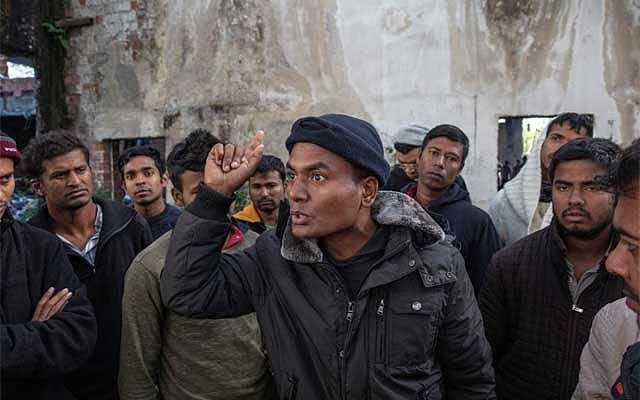
Migrants from Bangladesh stand inside an old abandoned factory near Velika Kladusa, Bosnia and Herzegovina, September 30, 2020. Hundreds of migrants from Asia, the Middle East and North Africa set up makeshift camps in Bosnian woods near the border with Croatia, attempting to cross into the European Union where they hope for a better life. Reuters
"Many of them drown because the Drina River is unpredictable, full of whirlpools," Sljivic told Reuters while patrolling along the border in the eastern town of Zvornik.
Yet they do not give up.
On Tuesday night, about 50 migrants left their Bosnian forest tents to try cross the Croatian border.
"Italy, see you soon!", one of them shouted cheerfully.












