


Published : 07 Sep 2018, 03:16 PM
Updated : 08 Apr 2022, 03:18 PM


The remains and personal items found at the site, including 200 articles of clothing, suggested that the victims might have been killed two years ago, said Jorge Winckler Ortiz, the Veracruz attorney general.
It is one of the biggest clandestine graves found in Mexico in recent years. Veracruz has been one of the states caught up in the horror of these giant dumping grounds, used by drug gangs to dispose of their victims.
Federal officials say more than 30,000 people have disappeared in Mexico, although human rights groups put the number much higher. Many families, fearful that the police are working with drug gangs or convinced that investigators will do nothing, never report their missing relatives.
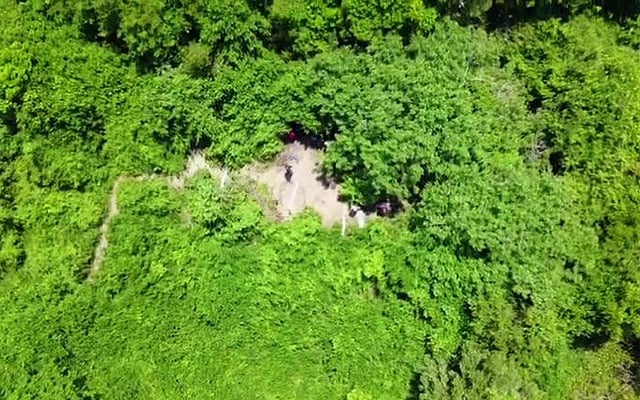
Winckler Ortiz told reporters that a team of investigators found the cemetery on Aug 8 with the help of drones and ground-penetrating radar. The human remains, along with hundreds of personal items, were buried in 30 spots.
Winkler said investigators were alerted to the grave by a witness, but authorities kept the discovery a secret for a month for “safety reasons.” Drug gangs have a strong presence in the area.
One of the gangs, known as the Zetas, is considered to be among the most brutal in Mexico. The US government has placed the criminal group at the top of its list of organised crime priorities.
Drug gangs have battled over control of territory in Veracruz for years, making it one of the most violent states in the country. A former governor, Javier Duarte, is in jail as he awaits trial on corruption charges.
The state will ask for help from Mexico’s federal police to conduct genetic tests of the remains to compare them with DNA samples in databases of missing people, Winckler Ortiz said.
@2018 New York Times News Service












