Published : 28 Nov 2026, 10:07 PM
Updated : 28 Nov 2026, 10:07 PM


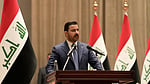
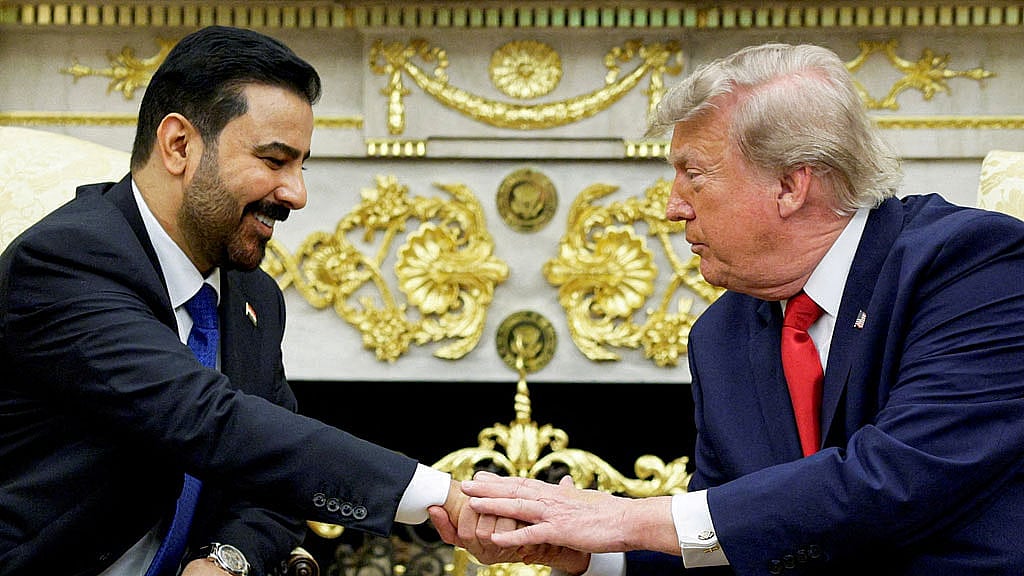
US President Donald Trump has backed Iraqi Prime Minister Ali al-Zaidi’s campaign against oil smuggling and corruption as Baghdad moves to take control of border crossings and oilfields in the Kurdish region.
The endorsement has drawn a warning from an advisor to Iran’s supreme leader, days before Baghdad and Erbil are due to hold talks on Dec 1, according to Al Jazeera.
Trump’s Support
In a Truth Social post on Friday, Trump backed al-Zaidi’s efforts to stop oil smuggling, tackle corruption and bring all weapons under state control.
It was Washington’s first public comment on the tensions between Baghdad and Erbil.
Al-Zaidi moved on Tuesday to place the Kurdish region’s border crossings and several oilfields under federal control.
Iraq’s top court backed the deployment of federal forces along all international borders, including those in the region. Two crossings with Syria and Iran were closed on Thursday.
Researcher Salim Zakhour told Al Jazeera that Trump’s support sent a message to Kurdish leaders that Baghdad had Washington’s backing.
Anti-Smuggling Drive
The campaign began in Jurf al-Sakhar, a town in Babil province controlled by Iran-backed Kataib Hezbollah since 2014.
Iraqi security and oil officials told Reuters that the group had run a network siphoning off hundreds of millions of dollars’ worth of state-owned crude since 2021. The group denies the allegations.
After a reported compromise involving Iran’s Quds Force chief Esmail Qaani, government forces entered the town and set up a joint operations centre. Kataib Hezbollah units are likely to withdraw gradually.
Other armed groups have also refused to disarm, prompting the government to extend its deadline for handing over weapons to June 2027.
Baghdad later extended the campaign to the Kurdish region. Government spokesperson Haider al-Aboudi told the Iraqi News Agency that oil smuggling through the region cost Iraq an estimated $100 billion between 2008 and 2025. Reuters said the calculation was unclear.
Kurdish regional Prime Minister Masrour Barzani called the measures unconstitutional. Thousands protested on Thursday, although Kurdish officials have said they want to avoid clashes and remain open to talks.
Iran’s Economic Stakes
Iraq is one of Iran’s most important trading partners and a key route around sanctions.
Muhanad Seloom, a senior fellow at the Middle East Council on Global Affairs, told Al Jazeera that Iraq imported about $11.9 billion in Iranian goods in 2024. Iranian gas supplies to Iraqi power plants bring in another $4 billion to $5 billion annually.
Iranian gas generates 30 to 40 percent of Iraq’s electricity, according to the US Energy Information Administration.
Reuters reported in 2024 that an Iraqi fuel oil smuggling network generated at least $1 billion a year for Iran and its allies.
Washington has financial leverage over Baghdad because Iraq’s oil revenues are held at the Federal Reserve Bank of New York. The US halted a $500 million cash payment to Iraq in April to pressure it to act against Iran-backed groups.
Alleged Oil Routes
Seloom said the best-documented smuggling scheme involves Iranian oil being relabelled as Iraqi crude, with US sanctions describing the use of blended oil and forged documents.
A newer allegation that crude from Kirkuk and Sulaimaniyah is being trucked into Iran is based on an unverified intelligence document. Erbil has rejected the claim.
The document cited by Iraq’s state news agency suggests the crude is blended with Iranian oil before being sent to Afghanistan, possibly through a second route via Turkiye.
In May, the US sanctioned Iraq’s deputy oil minister Ali Maarij al-Bahadly, accusing him of diverting oil for Iran and allied armed groups.
Washington’s Interests
Seloom described Iraq as the “land gap” in Trump’s blockade of Iran, saying the crackdown could restrict militia funding and strengthen al-Zaidi without requiring US troops.
A security source in Baghdad reportedly said Washington backed the campaign to limit Iran’s economy.
Iranian Supreme Leader’s Advisor Mohammad Mokhber warned in an X post on Saturday that Baghdad should not become a “tool of Trump”.
Zakhour said Washington’s approach to the Kurds had shifted towards centralised control, particularly over investment and oil. US envoy Tom Barrack wants American companies to deal with a single authority, he told Al Jazeera.
Another researcher, Liqaa Makki, said US backing had given al-Zaidi confidence to confront Erbil. Ghalib al-Daami said the campaign reflected domestic priorities, even if they aligned with Washington’s interests.
Risk of Wider War
Seloom said Iraq could become a launchpad rather than a battlefield if fighting between the US and Iran resumes. He expects attacks by Iran-aligned armed groups from Iraqi territory and US air strikes against militia leaders.
The US and Israel launched their war on Iran on Feb 28. A ceasefire took effect in June but collapsed before wider peace talks began. Trump has threatened to resume military strikes if diplomacy fails, while Iranian Foreign Minister Abbas Araghchi has warned of retaliation.
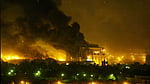
Iraq has already been drawn into the conflict. Armed groups have pledged support for Iran, and Baghdad has acknowledged attacks on neighbouring countries were launched from its territory. Joint US-Saudi strikes on PMF sites in July killed at least 20 members.
Al-Zaidi told Trump on Nov 5 that Iraq would not allow its territory to be used to attack neighbouring countries.
Foreign Minister Fuad Hussein has also warned armed groups against joining any Iranian retaliation.
The dispute with Erbil could also affect the Kurdish region’s finances. Zakhour warned that greater federal control over oil would leave its budget dependent on transfers from Baghdad.
Al-Daami predicted the talks would end with the Kurdish government accepting the court’s ruling, giving the federal government control over the country’s border crossings.