Published : 21 May 2015, 09:58 AM
Updated : 19 Oct 2022, 06:46 PM


The documents published by US intelligence also contained details of purported negotiations between al Qaeda, its allies in the Pakistani Taliban and representatives of Pakistani intelligence, and what seemed to be an al Qaeda job application.
A July 2010 letter showed that bin Laden pressed al Qaeda in Yemen, one of the group's more active affiliates, to make peace with the government and focus on America.
Bin Laden's view was that Al Qaeda in the Arabian Peninsula (AQAP) ought to sign a truce with Yemeni authorities or arrange an accommodation in which Yemeni authorities would leave the group alone "in exchange for focusing on America."
"The purpose is to focus on striking inside America and its interest abroad, especially oil producing countries, to agitate public opinion and to force US to withdraw from Afghanistan and Iraq," according to a summary of the letter by a bin Laden associate identified as "Atiyyah."
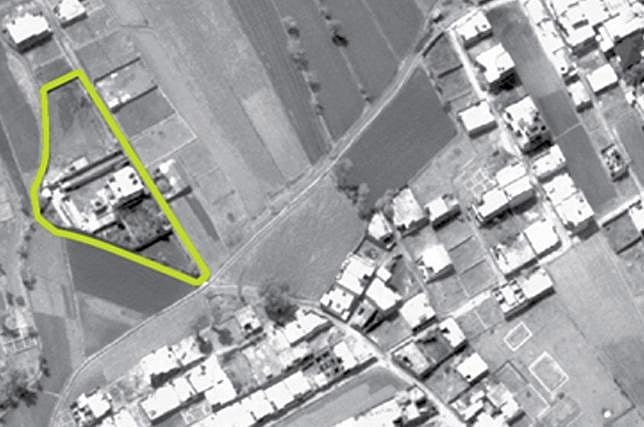
An aerial view, released by the US Department of Defense shows the compound (highlighted) that Osama bin Laden was killed in May, 2011.
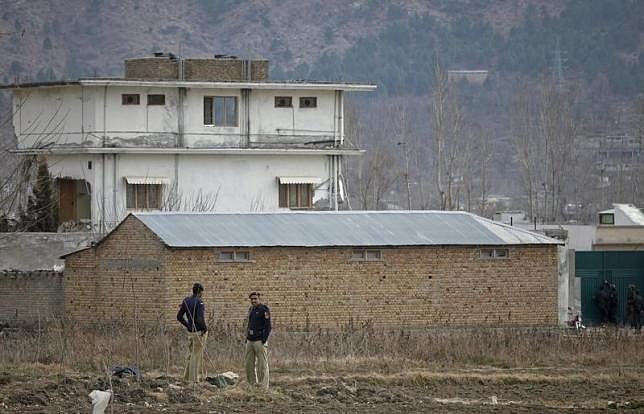
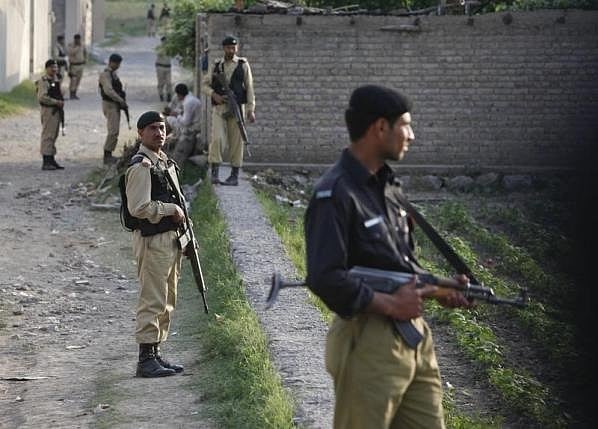
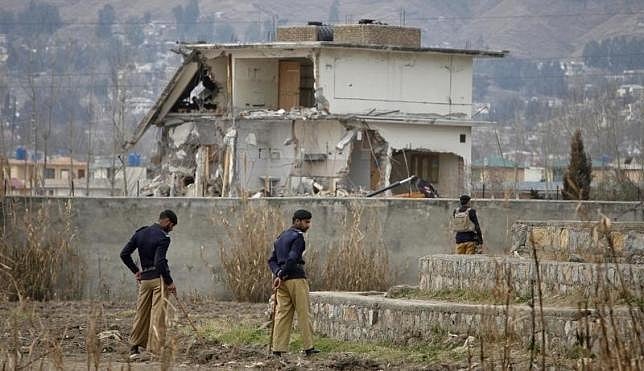
The partially demolished compound where al Qaeda leader Osama bin Laden was killed by US special forces in May, 2011 in Pakistan's Abbottabad.
Awlaki had served as an imam at a mosque in a Virginia suburb of Washington, which was attended by two militants who participated in the Sept 11, 2001 attacks. He fled to Yemen after the attacks and was killed in 2011 by a CIA drone strike.
Bin Laden's library
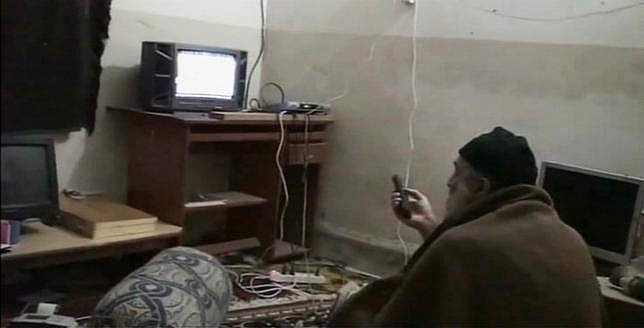
The documents released by the Office of the Director of National Intelligence were part of a cache seized by US commandos who conducted the May 2011 raid on bin Laden's house in Abbottabad, Pakistan when bin Laden was killed.
A document of several pages, which the United States says was printed on stationery carrying a watermark reading "The Security Committee - al Qaeda Organization" appeared to be a blank job application form for would-be al Qaeda members.
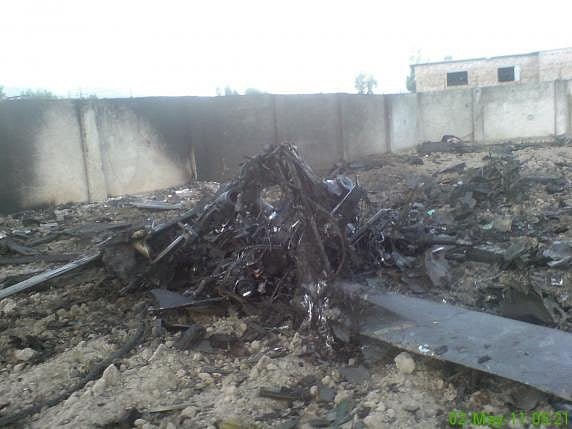
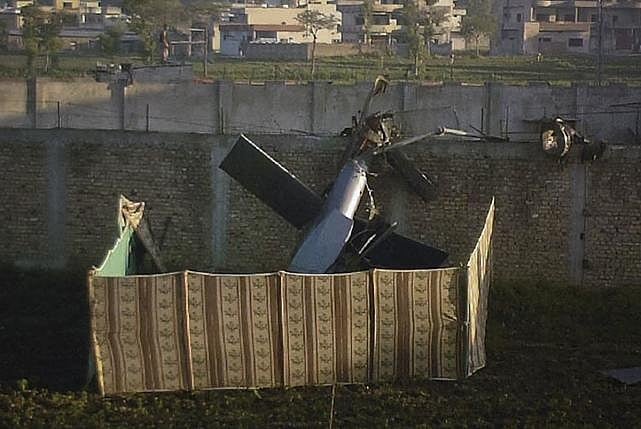
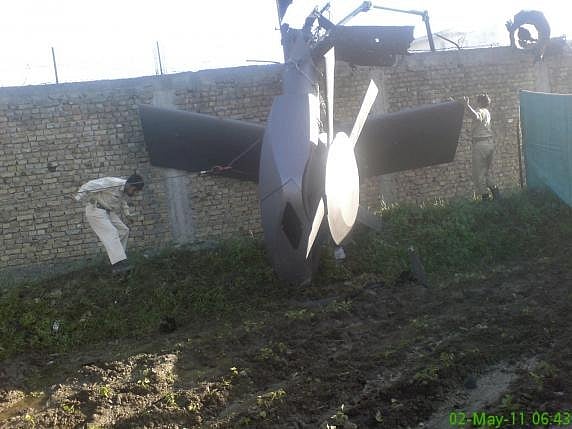
Wreckage is seen in the compound after US Navy SEAL commandos killed al Qaeda leader Osama bin Laden in Abbottabad on May 2, 2011.
Part of a damaged helicopter near the compound after US Navy SEAL commandos killed al Qaeda leader Osama bin Laden in Pakitsan's Abbottabad in May, 2011.
It asked when an applicant had arrived "in the land of Jihad," how much of the Koran they had memorized, which sheikhs or Muslim dignitaries they knew, which countries they had visited, how many passports they possessed and whether they were interested in carrying out a "suicide operation."
Also seized were official US passport application forms, formal US indictments of al Qaeda-related figures, US government accounts of al Qaeda's organization and details of the US embassy in Pakistan's "Toys for Tots" program.
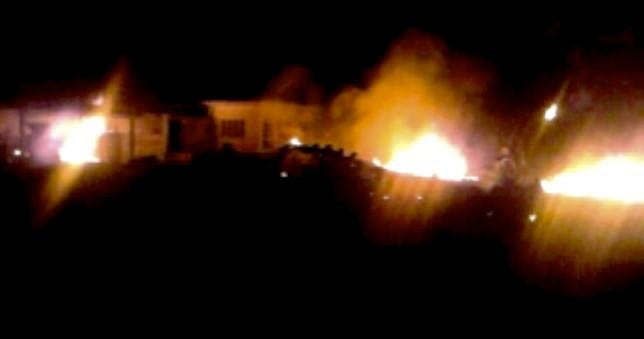
The compound, within which al Qaeda leader Osama bin Laden was killed, is seen in flames after it was attacked in Abbottabad in this still image taken from video footage from a mobile phone in May, 2011.
There were also copies of many American media articles, including "Is al-Qaeda Just Bush’s Boogeyman?" from the Los Angeles Times in January 2005, and a piece in Newsweek magazine "on hawks and doves on Iraq within the Bush Administration."
Pakistani intelligence links
One document dated July 2010 addressed to "Abu Abdullah," which is one of bin Laden's noms de guerre, from an operative named Mahmud indicated links between al Qaeda and Pakistan's intelligence services, which Pakistan has repeatedly denied.
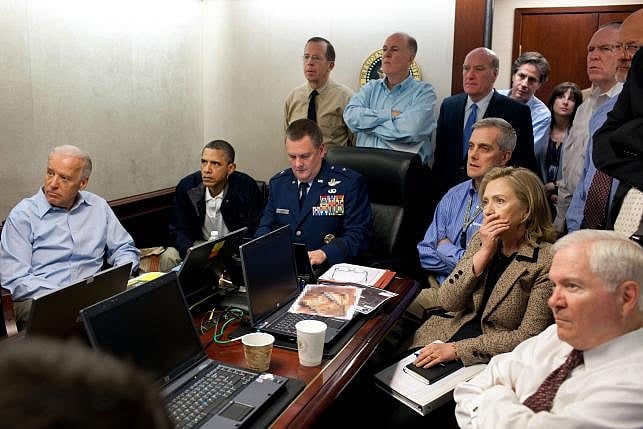
US President Barack Obama along with members of the national security team, receive an update on the mission against Osama bin Laden in the Situation Room of the White House.
"They sent messages to us via some of the Pakistani Jihadist groups that they are comfortable with. ... One of their messengers came to us conveying a message for us from the intelligence leadership ... saying that they wanted to talk to us as Al Qaeda."
Mahmud asks bin Laden whether the "Pakistanis are serious or are they just playing with us?"
The Office of the Director of National Intelligence said the release of the documents followed a rigorous review by US government agencies as required by the 2014 Intelligence Authorization Act.
The documents can be read here