


Published : 26 Aug 2019, 10:37 AM
Updated : 08 Apr 2022, 02:20 PM


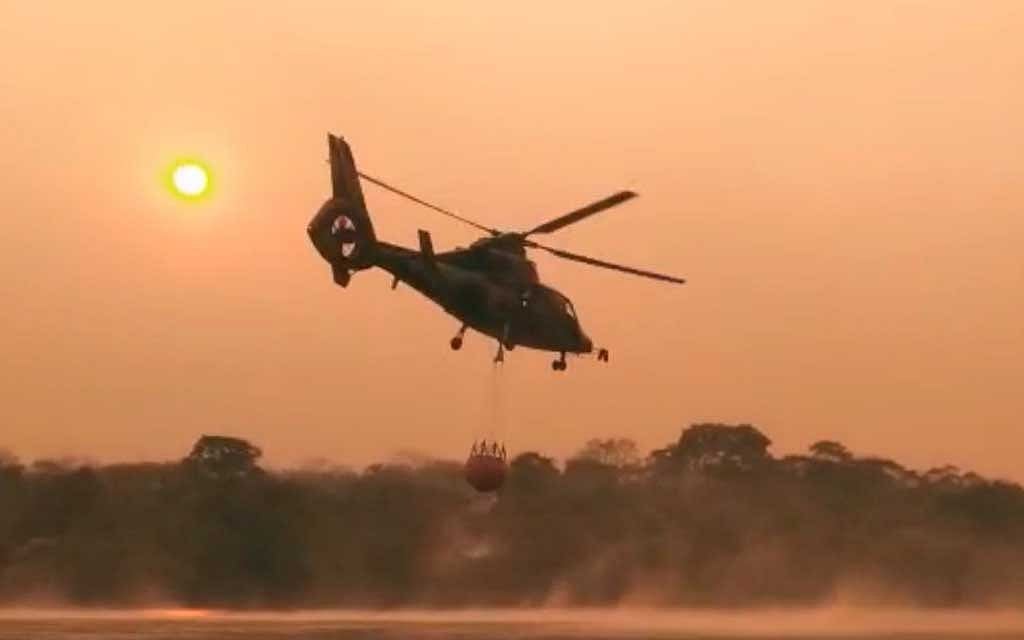
In midst of the calamity, the country’s president, Evo Morales, suspended his reelection campaign Sunday and, in a shift, welcomed foreign aid.
“Whatever cooperation is welcome, whether it comes from international organisations, celebrities or from the presidents who offered to help,” Morales said in the city of Cochabamba, where he had been campaigning for a fourth term. Bolivian officials, he vowed, would “dedicate ourselves” to the problem.
Fires, some of them set by farmers trying to clear brush, are a regular feature of the dry season in northern South America. But this year has been different.
Blazes in Bolivia’s Chiquitano forest and in the Amazon region of Brazil have been far larger, and more widespread, than in previous seasons. That has aroused international concern and, in the case of Brazil, outrage at President Jair Bolsonaro’s dismissal of the blazes’ seriousness.
Morales said he has received calls from the presidents of Spain, Chile and Paraguay in recent days with offers of help. And on Sunday, as the Group of 7 met in France, President Emmanuel Macron said the world’s seven richest democracies were putting together an aid package for the South American nations affected by the fires.
Recovery will not be quick.
It may take up to 200 years for the forests in Bolivia to heal, said Miguel Crespo, head of nonprofit environmental group Probioma. “I’ve never seen an environmental tragedy on this scale,” he said.
At first, Morales tried to play down the fires, which have spread across four states over the past month. Just hours before he suspended his campaign Sunday, the president’s chief of staff, Juan Quintana, rejected the need for foreign firefighting aid.
Bolivia, he told local radio stations, did not need “to extend its hands to beg.”
© 2019 The New York Times Company












