Published : 02 Oct 2026, 07:49 PM
Updated : 02 Oct 2026, 07:49 PM


Australia's online safety regulator says four of the world's most popular gaming platforms are not protecting children consistently, leaving gaps that predators can exploit.
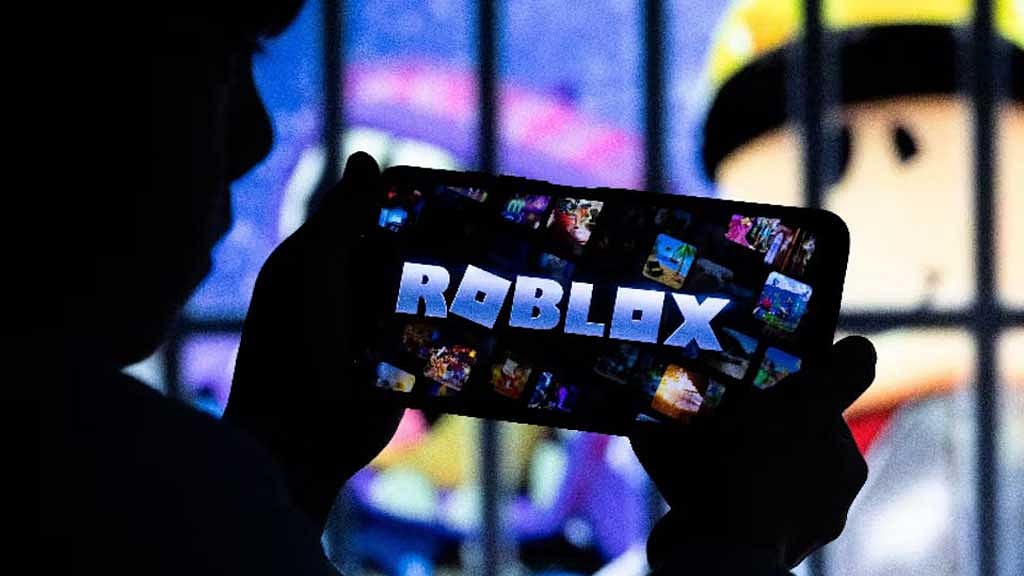
A new report by the eSafety Commission examined Steam, Roblox, Fortnite, and Minecraft as research shows nine in 10 Australian children aged 8 to 17 have played online games, reports BBC.
eSafety Commissioner Julie Inman Grant says children have the right to play without facing predators, sexual extortionists, or violent extremist content.
She says weak safeguards let adults make contact with young users and groom them for sexual exploitation or radicalisation.
The report singles out Valve, owner of Steam, as the only provider not using a widely adopted industry technology to detect and remove known harmful material.
It also does not proactively scan chats for child sexual exploitation or violent content, with its systems mostly catching scams, according to BBC.
Valve and Roblox train their language detection tools only on internal datasets and do not retrain them regularly, according to the report.
On age verification, Minecraft and Fortnite largely let users declare their own age, so anyone claiming to be an adult can unlock "higher-risk communication features".
Steam also relies on self-declaration but recently introduced credit card age checks. Roblox has tightened its age checks since December.
The platforms also differ in how they cooperate with the industry. Mojang Studios, the developer of Minecraft, and Roblox have shared expertise on tackling child exploitation and violent extremism, but Valve has not.
Epic Games, which makes Fortnite, did not share breach cases with other platforms under a global programme aimed at stopping child sexual abuse online, says BBC.
The findings cover the period between October 2025 and March 2026.
Roblox says it has "invested heavily" in child safeguards, including mandatory age checks, and "prioritises the safety of our Australian community".
Valve, Epic Games, and Microsoft, which owns Minecraft, have been contacted for comment.
Australia introduced a social media ban for under-16s in December, though gaming platforms were exempt.