


Published : 08 Jun 2015, 05:42 PM
Updated : 23 Apr 2022, 12:48 PM


Mobile phone footage of human rights abuses, mainly shared on social media in recent years, is often fake, impossible to verify or lacking the information necessary to be used as evidence in court, said the International Bar Association (IBA).
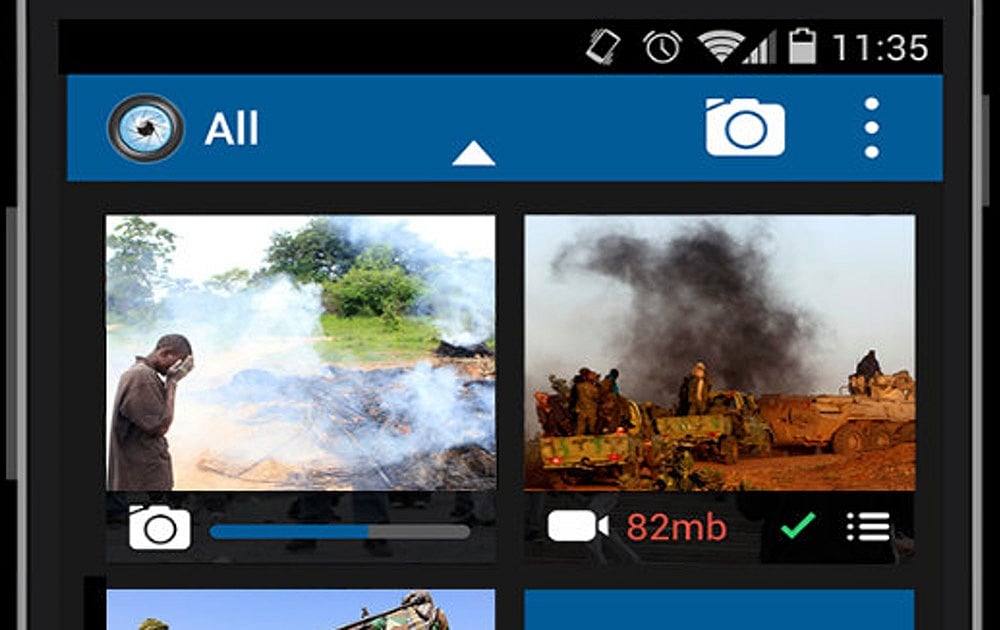
The "EyeWitness to Atrocities" app records the user's location, date and time, and nearby Wi-Fi networks to verify that the footage has not been edited or manipulated, before sending it to a database monitored by a team of legal experts.
"This could be a real game-changer in the fight for human rights and international justice... and provide a solution to the evidentiary challenges surrounding mobile phone footage," said IBA executive director Mark Ellis.
"It will also allow media outlets to use the footage and remove any doubts regarding authenticity that may have previously prevented them from showing mobile phone videos," Ellis told the Thomson Reuters Foundation by phone.
The app was devised following controversy surrounding mobile footage aired by British broadcaster Channel 4 in 2011 which purported to show Sri Lankan troops executing Tamil prisoners.
Sri Lanka's government initially dismissed the footage as fabricated, then broadcast its own version of the video, and said the killers were rebels in army uniform. Channel 4 rejected the claim, saying its work had been meticulously checked.












