Published : 06 Oct 2026, 12:19 PM
Updated : 06 Oct 2026, 12:19 PM


A new analysis of 5,000-year-old human skulls has found evidence that Egypt’s earliest pharaohs sacrificed people from their royal households and buried them to serve in the afterlife.
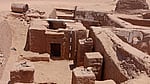
The study published in Frontiers in Environmental Archaeology re-examined remains excavated about a century ago from royal tombs at Umm el-Qa'ab in Abydos, The Independent reports.
Researchers examined 46 preserved skulls belonging to members of royal households, including lower-ranking officials, artisans, guards and domestic workers.
They had been buried in long rows of simple brick-lined graves surrounding major royal monuments.
The analysis found severe, fatal head injuries on 18 skulls, with evidence suggesting the blows were delivered around the time of death, The Independent reported.
The injuries included deep fractures caused by heavy strikes from flat weapons, as well as distinct chopping wounds around the eyes and temples.
When British Egyptologist Sir Flinders Petrie excavated the site in the 1920s, he suspected the workers had been killed when their king died because hundreds appeared to have been buried at the same time.
But Petrie lacked the forensic methods needed to establish the cause of death and reburied most of the skeletons, preserving only the skulls.
The latest examination offers what researchers describe as the strongest physical evidence yet of ritual killings during Egypt’s First Dynasty, from 3100BC to 2900BC, when early pharaohs were consolidating state power.
Roselyn Campbell, an Egyptologist and bioarchaeologist at Purdue University, led the analysis.
She said some royal attendants may have accepted their fate in the hope of gaining honour or eternal life alongside a divine ruler, while others may have been selected or compelled.
The practice of retainer sacrifice appears to have been relatively short-lived, with evidence declining sharply by the Second Dynasty, according to the British newspaper.
Dawn McCormack, an Egyptologist at Samford University, said the scenes surrounding such killings would have been “very gruesome”.
As the practice faded, pharaohs began using small wooden and stone servant figures, known as ushabti, in tombs to carry out tasks for the dead in the afterlife.
The findings add to evidence of human sacrifice in other ancient societies, including China, Scandinavia and Celtic communities in England.