Published : 03 Oct 2026, 12:22 AM
Updated : 03 Oct 2026, 12:21 AM


Scientists have uncovered fresh evidence suggesting that Saturn’s icy moon, Enceladus, could harbor alien life.
New research published in Science Advances demonstrates that specific microorganisms on Earth can adapt and thrive under conditions mimicking the ocean floor of Enceladus, according to The Independent.
Researchers created a laboratory setup reproducing the harsh, cold, oxygen-poor environment found beneath the moon's icy shell.
The experiment revealed that archaea -- one of Earth’s most ancient microbial forms -- were able to survive and adapt within this geochemical environment.
"Enceladus is considered to be one of the most promising places to search for extraterrestrial life," said Vanessa Helmbrecht, lead author of the study. "Our experiments show that its unique geochemistry could create conditions that are even more favourable for microbial life than we had previously thought."
While the findings do not directly prove extraterrestrial life exists on the moon, they confirm that the sub-surface ocean offers a viable habitat for living organisms, reports The Independent.
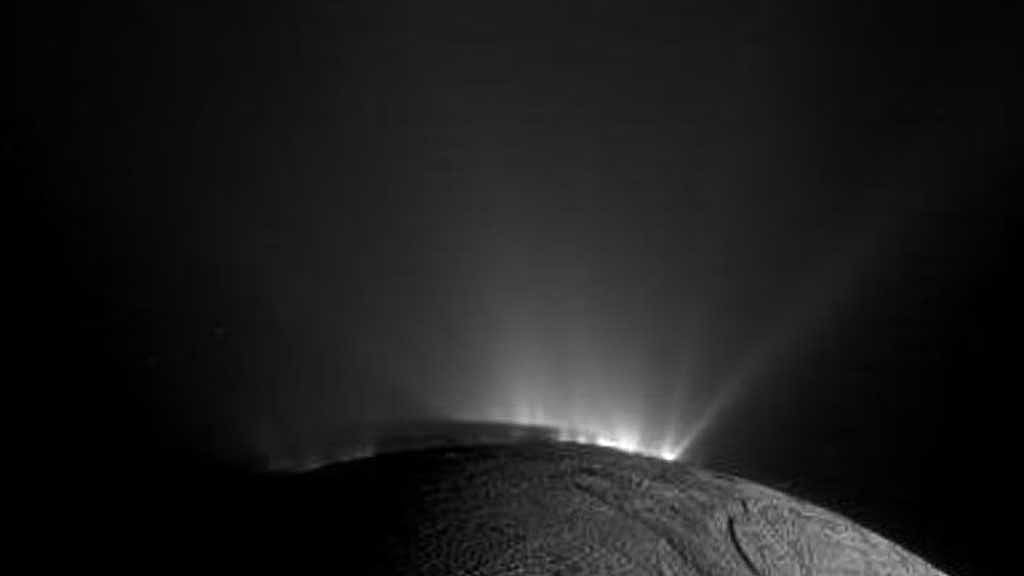
Enceladus also features massive plumes spraying ocean water into space through surface cracks.
A companion study published in the same journal notes that these water jets separate distinct chemical components as they erupt.
This natural mechanism could allow future spacecraft to detect signatures of life simply by flying through the vapor plumes.
The discoveries boost momentum for upcoming space missions targeting the moon, including the European Space Agency’s proposed L4 mission, which aims to collect and return samples from Enceladus’ ocean around 2042.