Published : 01 Oct 2026, 12:04 PM
Updated : 01 Oct 2026, 12:04 PM


A lesson from years of Awami League rule stands above all others for Bangladesh’s information minister: attempts to silence the media ultimately fail.
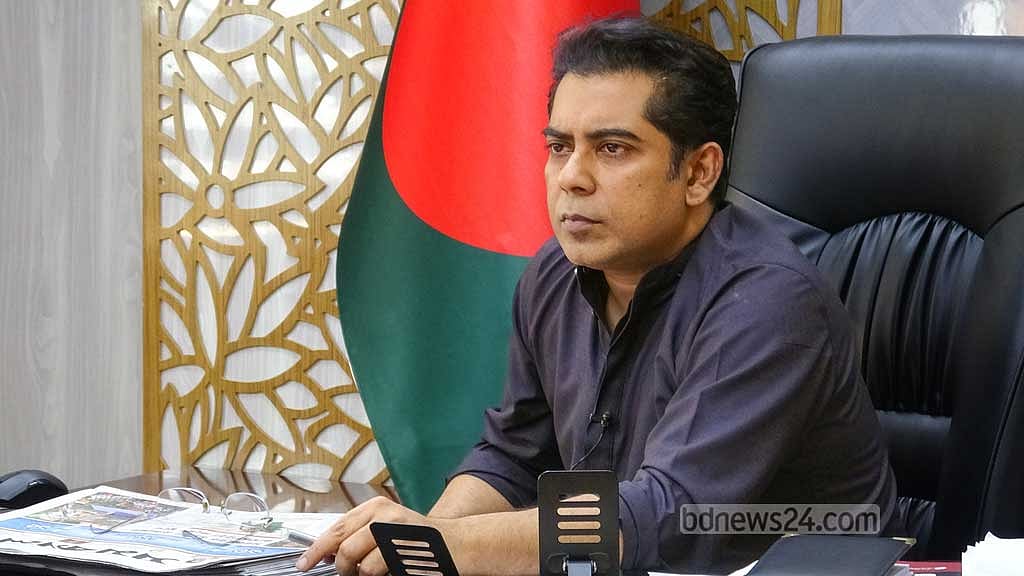
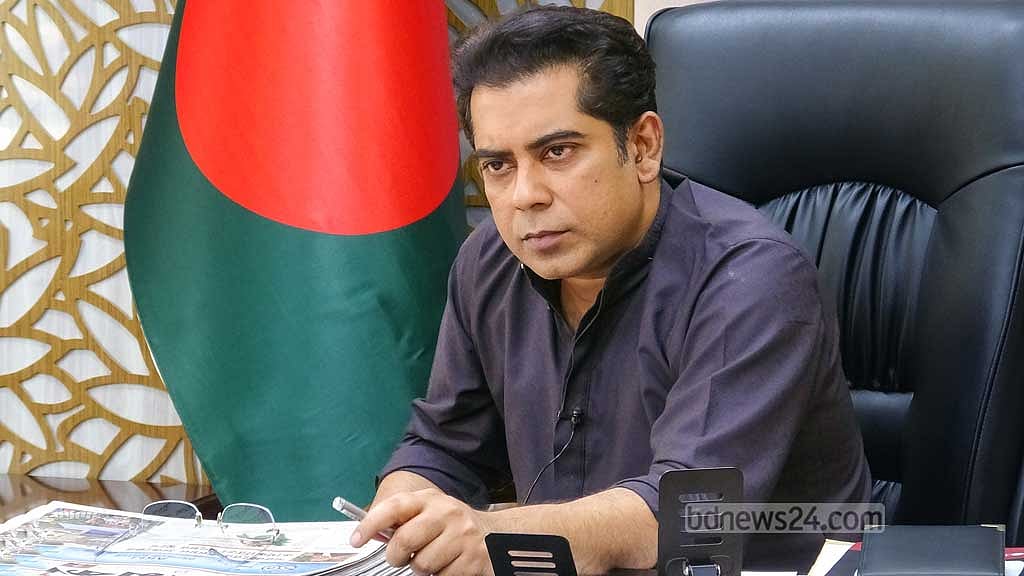
Information and Broadcasting Minister Andaleeve Rahman Partho said the government is committed to freeing the press and treating media freedom as an essential pillar of democracy, not a privilege to be rationed.
“Our lesson from the previous Awami League government is simple: set the media free; let the press do its job,” Partho said in an exclusive interview with bdnews24.com -- his first extended sit-down since joining Prime Minister Tarique Rahman’s cabinet on Aug 21.
“You cannot retain power by stifling voices or exerting pressure. The former ‘fascist’ regime tried every mechanism imaginable to intimidate journalists, yet whatever the public learned about their misrule came through the press. Stifling media yields zero long-term dividend.”
But freedom, he stressed, must come with professional discipline.
“While guaranteeing complete operational autonomy, the state will remain vigilant against defamation and unsubstantiated reporting to uphold journalistic integrity,” he added.
Dissent and Complicity
On journalists detained or facing prosecution before the International Crimes Tribunal (ICT), Partho drew a distinction between political beliefs and active participation in crimes.
“Having a preference for a political ideology -- even one associated with atrocities -- is distinct from taking part in state crimes,” Partho explained.
“I may socially abhor or oppose someone for supporting a regime that killed 1,200 to 1,400 people during the July Uprising, but mere intellectual alignment does not warrant imprisonment.”
Some media figures, he said, went beyond journalism into active conspiracy.
“A subset of individuals moved beyond journalism into aiding, abetting, counselling, and procuring -- sitting in key decision-making spaces to discuss how to consolidate power while citizens were being slaughtered. The law must differentiate between an editor’s political leanings and active participation in state atrocities.”
Accountability without Abuse
On the Cyber Security Act and concerns about defamation laws being overused, Partho urged stakeholders to remain alert to possible abuse.
“Over the last few years, we have witnessed an unchecked erosion of public morality on social media -- unfiltered abuse directed at anyone without accountability,” Partho said.
“While we must curb targeted character assassination, we are acutely aware of the potential for legislative abuse. If this administration ever misuses these provisions, the public backlash will be identical to what befell our predecessors.”
He also pointed to what he described as a longstanding anomaly in Bangladesh’s legal landscape.
“In 50 years, how many newspapers have faced substantial fines for publishing outright fabrications? Defamation laws must function effectively, but they must never serve as weapons to gag genuine investigative reporting.”
Recasting BTV
Partho said Bangladesh Television’s protocols are being reworked to end one-sided propaganda and broaden its coverage.
“For two decades, BTV operated strictly as a government megaphone, failing to realise that state media is meaningless if audiences reject the content,” he noted.
“We are actively reforming BTV to cover opposition politics and elevate programming standards. It cannot be transformed overnight, but the shift is under way.”
The government also remains open to issuing new television licences to applicants meeting stringent criteria, he said.
The ministry is reviewing the overdue wage board and financial rights of media workers across print, television and digital platforms.
Culture, FDC and Political Co-Optation
Turning to Bangladesh’s struggling Film Development Corporation and the closure of cinema halls, Partho blamed systemic neglect and a shortage of quality talent rather than infrastructure alone.
He also criticised the former regime for using cultural figures as political instruments.
“When an unpopular government loses public legitimacy, it routinely traps popular figures -- actors, athletes, artists -- to exploit their fame. They enticed celebrities with parliamentary seats and ministerial dreams, ultimately destroying their professional standing. Many genuine artists are now paralysed by fear as a result.”
On disruptions to public performances, he said the administration had a duty to protect cultural expression nationwide.
“Bangladesh is a multicultural society. While localised friction sometimes arises, protecting the right to practise culture lies squarely with law enforcement. We will step in whenever roadblocks are reported.”
Awami League’s Future
On the Awami League’s political prospects, Partho described what he sees as an unprecedented collapse of the party’s moral standing in modern Bangladesh.
“Politics operates on credibility, not just historical longevity,” Partho remarked. “The Awami League lost its political character through 15 years of oppression and the July atrocities. Over 40 million young citizens witnessed these crimes firsthand; you cannot rewrite that narrative.”
He said the party remains caught in denial.
“They have shown no remorse or desire to re-engage democratically. Instead of soul-searching, they remain obsessively preoccupied with Dr [Muhammad] Yunus, unable to process the trauma of their sudden downfall.”
India Ties
On regional relations following Tarique’s return from the United States and ahead of diplomatic engagements with New Delhi, Partho said India bears the responsibility for rebuilding bilateral trust.
“For over 15 years, India chose to align itself exclusively with a single political party rather than the people of Bangladesh,” Partho stated.
“To recover lost ground, New Delhi must demonstrate good intentions and provide clear assurances that Indian soil will never be used for anti-Bangladesh activities. Future bilateral engagements must be anchored entirely on equity and mutual respect.”