Published : 03 Oct 2026, 02:37 PM
Updated : 03 Oct 2026, 03:02 PM


I first met Toufique Imrose Khalidi after three years of working at bdnews24.com. By then, I had finished a two-year stint at Stripe, bdnews24.com’s youth supplement, and had started working full-time at the English desk.
Until then, I had only seen him in photographs and heard about the formidable TIK, as he was known in the newsroom.
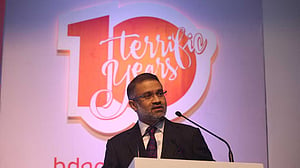
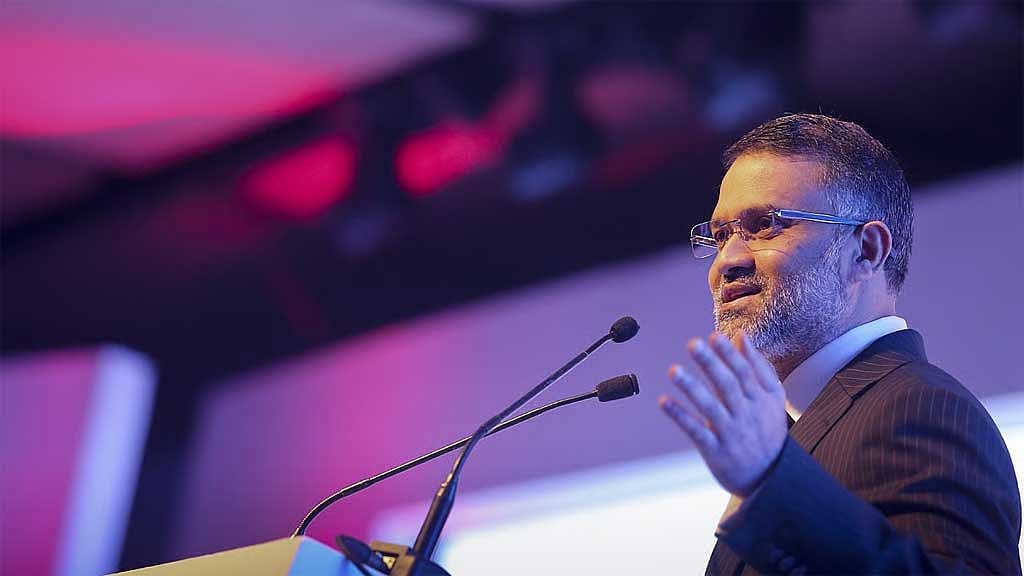
He walked in wearing his signature panjabi and thin-framed glasses, speaking in a low voice that demanded attention.
He was the quintessential Bengali father figure from modern literature, and I soon understood how much that shaped the way he led the people around him.
When we started talking, Toufique Bhai told me about his long friendship with my father and how he wished we had met sooner. I am glad we did not. I am glad he came to know me as myself, rather than simply as his friend’s daughter.
That did not diminish the affection he had for me, or the affection I saw him extend to so many of my colleagues. He treated us like his own daughters: reprimanding us when necessary, then showering us with praise because, ultimately, he wanted the best for us.
I have always disliked it when people compare their bosses or mentors to their fathers. After all, no one can measure up to one’s own parents, no matter how deep another relationship may become. And yet, I cannot find a better way to describe Toufique Bhai.
Not because he was like our father, but because he was the head of a large, sometimes unruly family of people he had gathered around him and felt responsible for. He was fiercely protective of “his people”. He stood between them and the world, and was territorial in the best sense of the word.
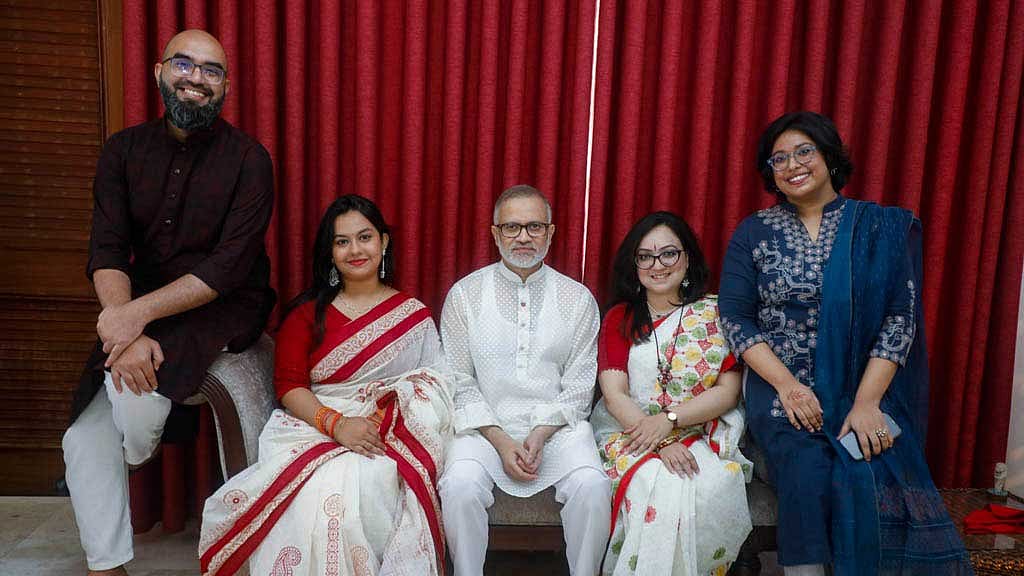
The Toufique Bhai I knew was not someone who judged people by where they came from, what they did or what they believed. His friendships crossed social backgrounds, professions and political differences, and he was often willing to give people a chance when others might not.
That openness did not mean a lack of conviction. On matters of national importance, Toufique Bhai believed journalism had a responsibility to remain objective and to give people their due, while never compromising on the principles of the Liberation War.
His commitment to those principles was not performative. It was woven into the way he thought about Bangladesh, journalism and the responsibility of those who had the privilege of shaping the public record.
He was also a leader in the most hands-on sense. Every night we stayed up working on international developments, Toufique Bhai was there, looking over our work.
I made more than a few mistakes in the haze of 2am deadlines. He would catch them, check the facts, or supply information from memory when my own hour-long research had failed to find what I needed.
I had the grim task of compiling and editing many of the obituaries we ran at bdnews24.com. Each time, Toufique Bhai would supplement my dry, factual copy with personal anecdotes, obscure achievements, dates and context that I would never have found through research. He understood that a person’s life could not be reduced to the facts that were easiest to find.
It feels surreal to write about him in the past tense.
Beyond his contributions to journalism, Toufique Bhai gave me space to breathe during a turbulent period of my life. More than that, he gave me a community of colleagues who became some of my closest friends and confidants. He did that for many people, each carrying their own struggles, and perhaps that is the part of his legacy I will remember most.
After my father died, I began making a conscious effort to tell the people I love what they mean to me. I had learned how little time we are guaranteed between “I will” and “I wish I could”.
I wish I had told Toufique Bhai more often how much I admired him. I wish he knew how grateful I was that he let me be myself at a time when I was beginning to doubt who I was.
I did not tell him enough. I can only hope he knew.
I will find comfort in knowing that I was able to contribute to his last publication. It is now a tangible reminder of a relationship that, like so many relationships in life, I thought I would have more time to cherish.
His work, his people and his journalism will remain. So will his insistence that Bangladesh remember what it fought for. I am grateful that, for a brief but meaningful part of his life, I got to be one of “his people”
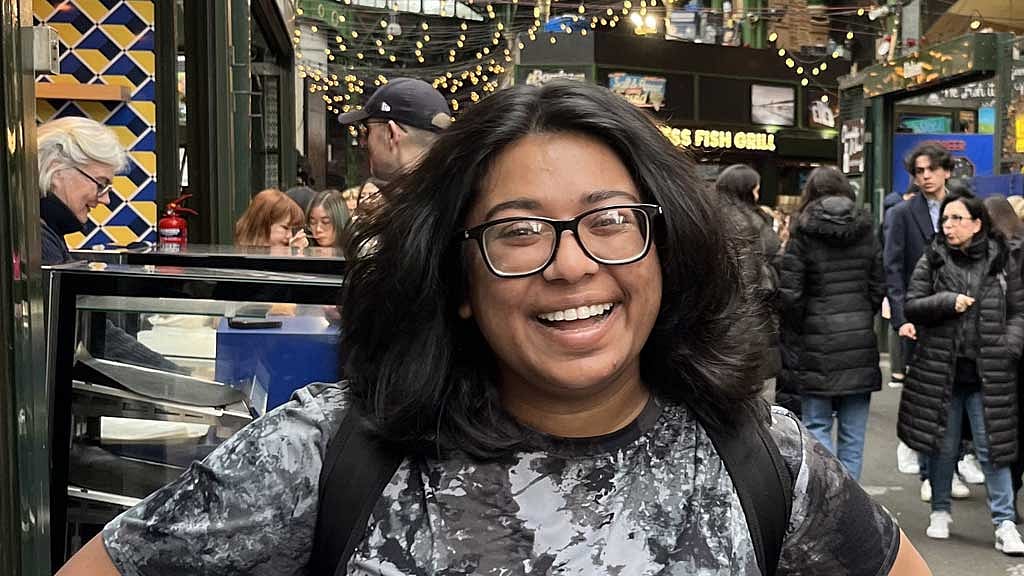
[Zakia Rubaba Hoque is a former sub-editor at bdnews24.com]