Published : 17 Nov 2026, 06:37 PM
Updated : 17 Nov 2026, 06:37 PM


I gazed out the window. At the time, my home in Bonn, Germany, was beside the Rhine River. There, for the first time in my life, I sat mesmerised, watching snow fall. In the midst of that magical moment, a Gmail notification suddenly appeared on my phone. I glanced at the screen and saw an email from Shimul Bhai. I was genuinely astonished when I opened it. Inside was a return flight ticket with Ryanair for the Cologne–Madrid–Cologne route.
At the time, I was in Bonn as part of a fellowship programme organised by Deutsche Welle, Germany's renowned international broadcaster. Having heard the news, Shimul Bhai had already invited me to visit Spain. During one of our casual conversations, he had rather cleverly found out the dates of my available holidays. But I had never imagined he would surprise me with such a wonderful gift!
The story of my friendship with Shimul Bhai is quite extraordinary. We first met in the Sundarbans, the world's largest mangrove forest. What made the encounter even more remarkable was that he had come to visit the Sundarbans carrying a copy of my book, “Dekhun Sundarban” (Discover the Sundarbans)! Our friendship began with that rather dramatic meeting between an author and his reader.
One afternoon in January 2018, I boarded a Ryanair flight at Cologne Bonn Airport. Anyone who has travelled with Ryanair in Europe knows its peculiarities well. It is one of Europe's most popular low-cost airlines.
Although the tickets are remarkably cheap, you have to pay extra even for a glass of water! The seats do not recline, and once the aircraft is cruising at altitude, the cabin crew begin their sales pitches, offering everything from perfumes to lottery tickets and scratch cards. At times, it feels less like an aircraft and more like a flying supermarket.
Yet, the rather unusual commercial atmosphere inside the aircraft was in complete contrast to the view outside the window. By the time the plane entered Spanish airspace, evening had not yet fallen. Sitting beside the window, I began discovering Spain in the soft golden light of the afternoon.
Before long, my eyes were drawn to the vast blue sky. It looked as though an invisible artist had painted delicate strokes across the heavens. The white contrails of several aircraft stretched across the deep blue twilight sky, creating enchanting patterns. I simply could not take my eyes off the scene.
Soon after sunset, we landed at Adolfo Suárez Madrid–Barajas Airport in Spain. Following Shimul Bhai's instructions, I went straight to the bus station and boarded a bus to Alcala de Henares. The journey from the airport took only about 40 minutes. As soon as I reached the bus stop, I spotted Shimul Bhai standing there with a warm smile, wrapped up against the winter cold. His heartfelt welcome in a foreign land instantly made me forget the chill in the air. I was to stay at his home during my visit.
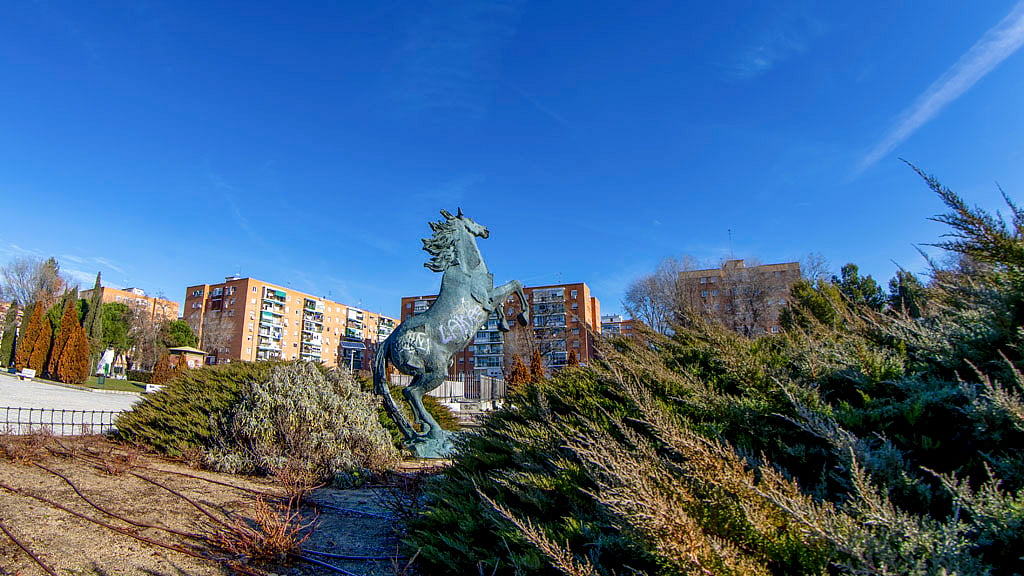
Shimul Bhai's apartment was in the Urbanización Militares Oficiales residential complex in Alcala. The name itself reveals something about its identity. It was originally developed as a residential complex for military officers. However, civilians are also allowed to live there, much like the DOHS residential neighbourhoods in Dhaka.
The surroundings were remarkably neat, peaceful and well maintained. The moment I stepped into Shimul Bhai's apartment, I felt at ease. It was beautifully organised, spacious and filled with natural light and fresh air. Despite the winter weather outside, the Spanish-style architecture helped keep the interior pleasantly warm and comfortable.
After freshening up, I walked into the dining room and was left speechless by what I saw. During my three months in Germany, I had developed an intense longing for the food of home. But the magnificent spread prepared by Nasima Bhabi, Shimul Bhai's wife, was beyond anything I had imagined.
I hardly knew where to begin. There was hilsa fish cooked in mustard sauce, rohu fish with onions, steaming beef bhuna and an assortment of delicious vegetable dishes. Looking at the feast, I felt as though I had returned to my own home and was sitting down to a meal prepared by my mother after a long absence. The taste of home and the warmth of such affection in a foreign land brought tears to my eyes.
Along with Bhabi's extraordinary cooking, another source of joy during my lonely life abroad was Shimul Bhai's adorable daughter, Minha. She was around six or seven years old at the time. Her age was almost the same as my daughter Sucheta's, so looking at her constantly reminded me of my own little girl.
Minha was especially fond of teddy bears. Her room was filled with an impressive collection of teddy bears in all shapes and sizes. The little girl's playful antics and cheerful chatter brought so much life and happiness to those moments in the quiet apartment.
The following morning, I was in for another surprise when I arrived at the breakfast table. It was laden with an extraordinary variety of traditional Bangladeshi homemade cakes and sweets, known as pitha. On that chilly Spanish winter morning, the taste of the milk-soaked chitoi pitha prepared by Bhabi remains unforgettable. Even today, I can almost recall its delicious sweetness.
After enjoying such a wonderful feast, we set out early in the morning with Shimul Bhai. Our destination was the historic town of Alcala, a living museum of Spanish history. Shimul Bhai had moved to Alcala from Bologna, Italy, relatively recently. Yet, in that short time, he had become remarkably familiar with every corner, alleyway and ancient chapter of the town's history.
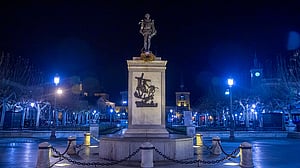
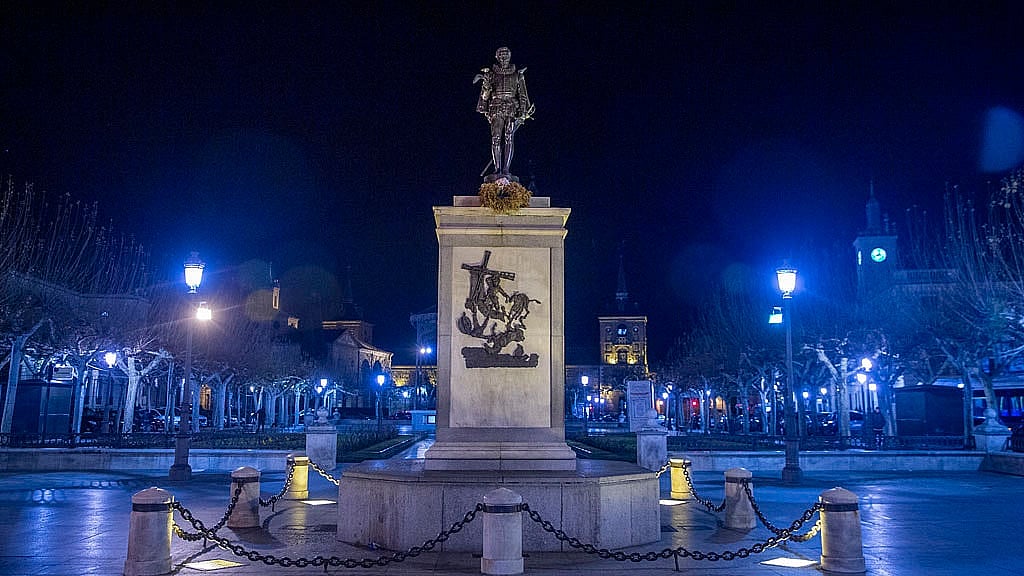
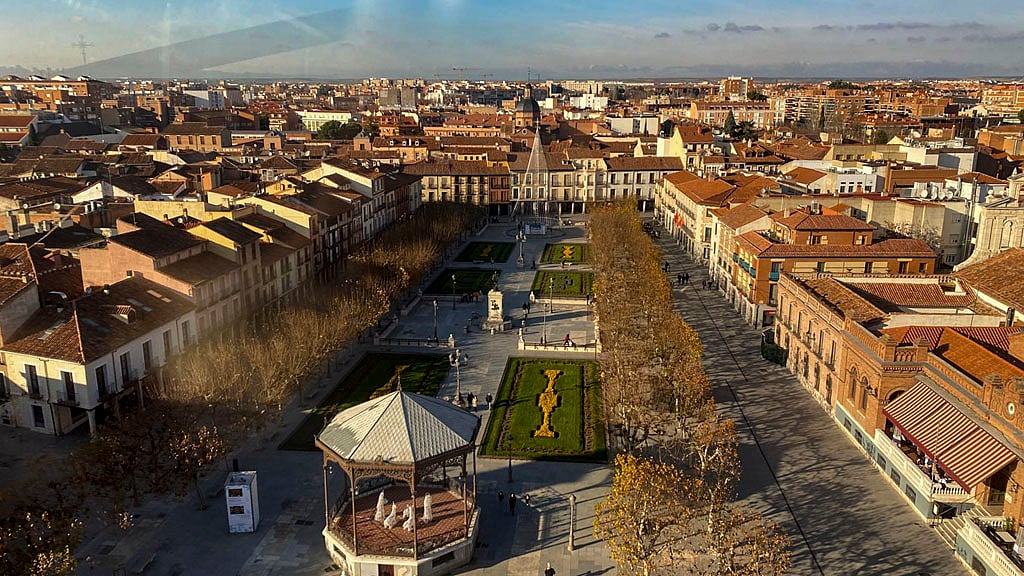
His knowledge helped me discover Alcala in a whole new way. We began our walking tour at Plaza de Cervantes, the heart of the city. Alcala is best known as the birthplace of Miguel de Cervantes, the celebrated author who created Don Quixote, one of the most enduring characters in world literature. A magnificent bronze statue of Cervantes stands right in the middle of the expansive square.
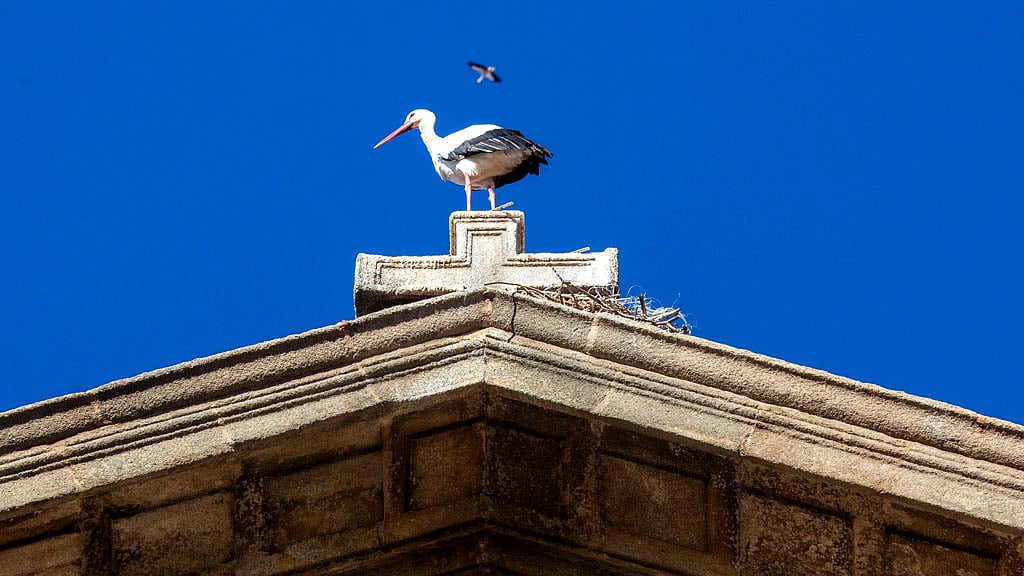
As I stood in the square and looked up, another remarkable sight caught my attention. One of Alcala's most distinctive attractions and symbols is its population of white storks, known in Spanish as cigüeñas. These enormous birds have built huge nests atop old church towers, historic buildings and the university's tall structures. The town holds these birds in such high regard that it even has a dedicated Stork Route for visitors!
In the stark winter of January, the trees stood bare, their branches stripped of leaves. Against the ancient stone buildings, the enormous birds and their nests created a striking sight. They added a wonderfully wild and romantic character to the town's skyline.
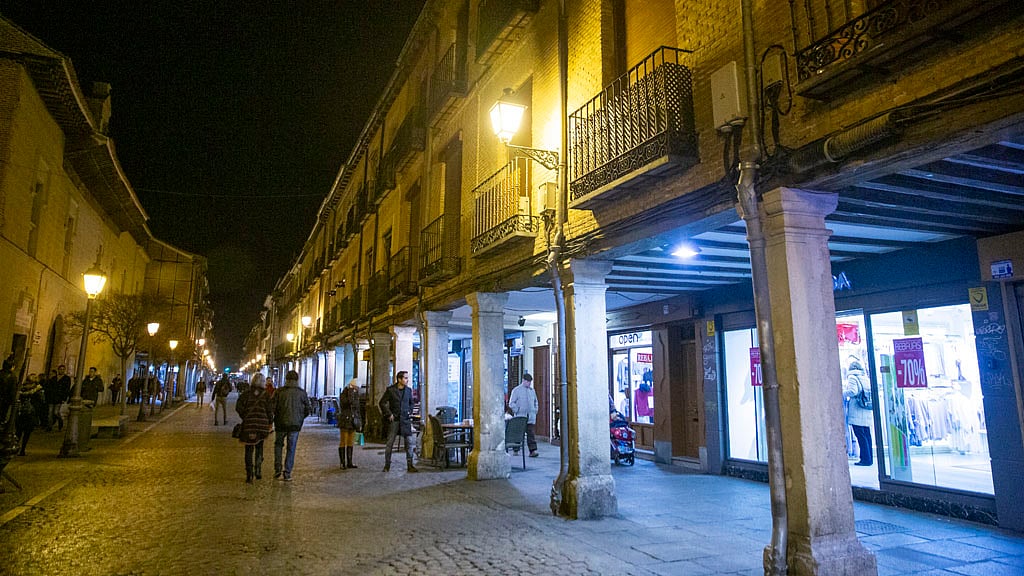
Leaving the world of the storks behind, we headed towards Calle Mayor, one of Spain's longest arcaded streets. The rows of ancient columns and houses with hanging balconies on either side create an exceptionally picturesque atmosphere. The street is also home to the ancestral house of Cervantes, known as the Museo Casa Natal de Cervantes.
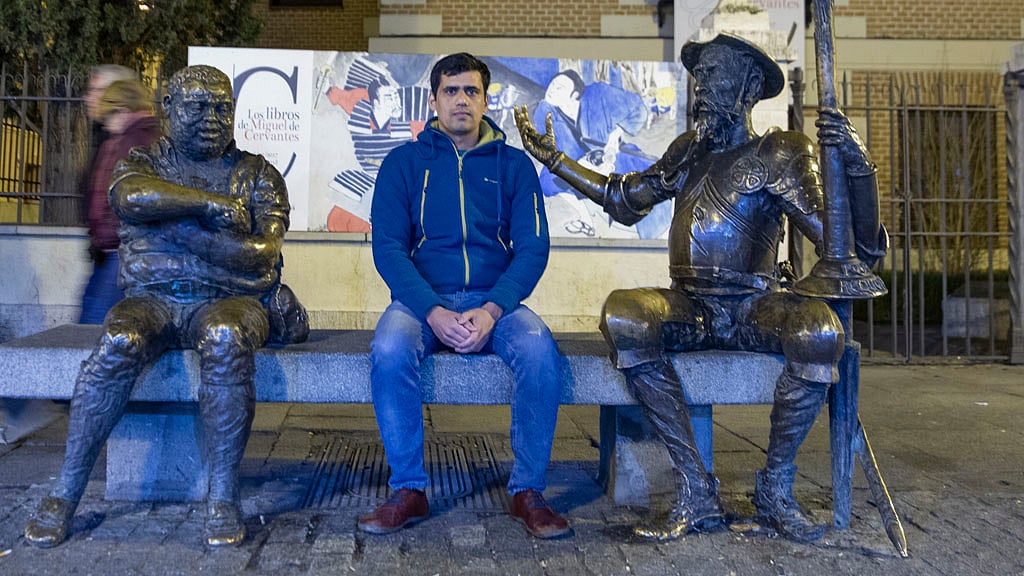
Cervantes was born there in 1547. Today, the house serves as a fascinating museum, preserving rare editions of “Don Quixote”. However, we visited the house at night. By then, the museum had closed, so we could not go inside. Outside, there were bronze statues of Don Quixote and his faithful squire Sancho Panza seated on a bench. We sat beside them and took photographs. It was a delightful moment, made even more special by the stories and sense of wonder surrounding the place.

A little further along Calle Mayor, we came across another remarkable historical site. Right next to Cervantes's birthplace stands the Antiguo Hospital de Nuestra Señora de la Misericordia, now known as Hospital de Antezana. Founded in 1483, the hospital has an extraordinary record. It is regarded as Europe's oldest hospital to have provided continuous medical care since its establishment.
The stories associated with this historic institution were even more fascinating. Miguel de Cervantes's father, Rodrigo de Cervantes, was a surgeon by profession and worked at this very hospital. That was why the family lived in the house right next door! Another interesting historical connection is that the renowned Spanish saint Ignatius of Loyola, while studying at the University of Alcala around 1526, reportedly worked at the hospital for a period as both a nurse and a cook. Standing on an ancient street surrounded by so many layers of history was truly extraordinary.
As we continued walking, we came across several more historical treasures of Alcala. One of the most notable was the Archbishop's Palace, or Palacio Arzobispal. Standing before this magnificent Renaissance building, one can almost sense the power and splendour of Spain's Golden Age. At another corner of the city, we saw the Corral de Comedias, one of Europe's oldest surviving public theatres. The spirit of Spain's seventeenth-century Golden Age of theatre still seems to linger within its walls.
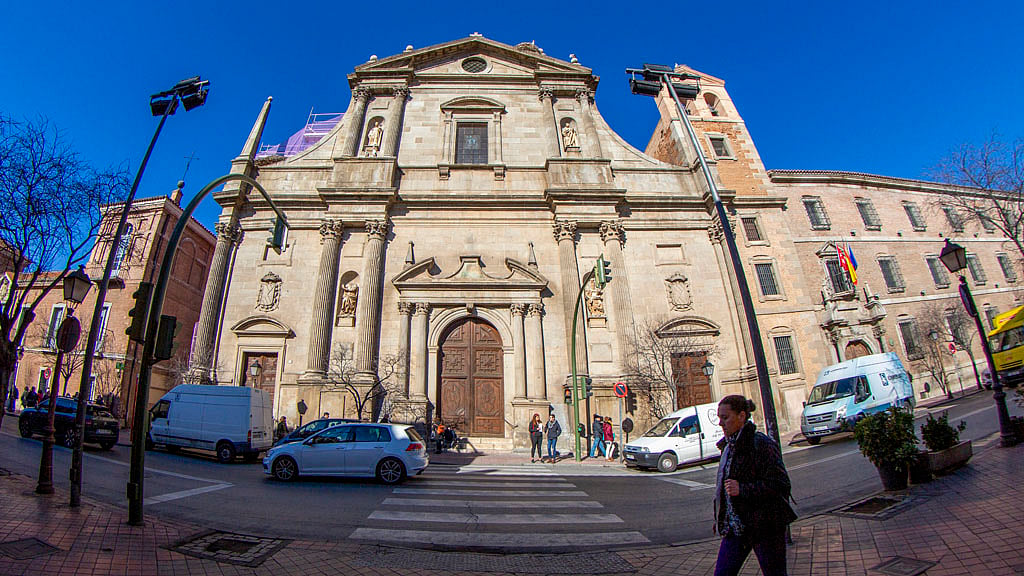
Next, we visited the Magistral Cathedral, one of the city's most important religious and architectural landmarks. Built over the tombs of two young Christian martyrs, Saints Justus and Pastor, this cathedral is an impressive example of Late Gothic architecture.
It also holds a unique distinction. Apart from St Peter's Church in Leuven, Belgium, it is said to be the only cathedral in the world to hold the title of a Magistral Cathedral, a special academic distinction. Its towering bell tower dominates the city's skyline, lending it a distinctive sense of grandeur.
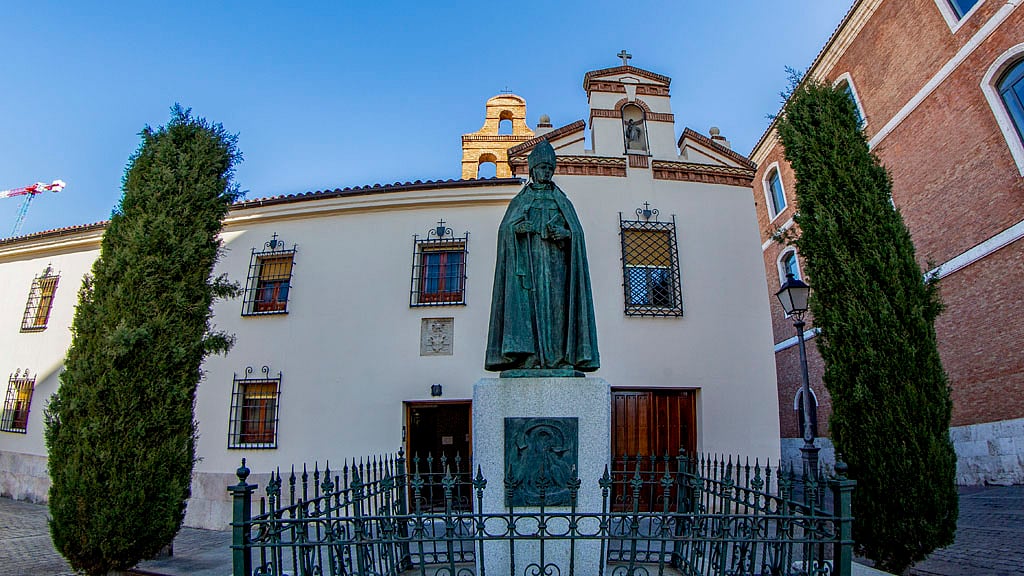
A short walk from the cathedral brought us to the Monastery of San Bernardo. Founded in 1623 under Cardinal Bernardo de Sandoval, it is an outstanding example of Spanish Baroque architecture. Its magnificent brick façade and enormous elliptical dome are particularly striking. The monastery was once filled with the daily activities of nuns. Even today, its tranquil atmosphere seems to deepen the historic character of the city.
Another source of pride for Alcala de Henares is its centuries-old university. Founded in the fifteenth century by Cardinal Cisneros, the University of Alcala is one of Spain's finest Renaissance landmarks. The intricately carved stone façade of its main building is simply breathtaking. As it was the winter holiday period, the campus was relatively quiet, with fewer students around. Yet, the sense of knowledge and history embedded in its ancient library and peaceful courtyards was unmistakable.
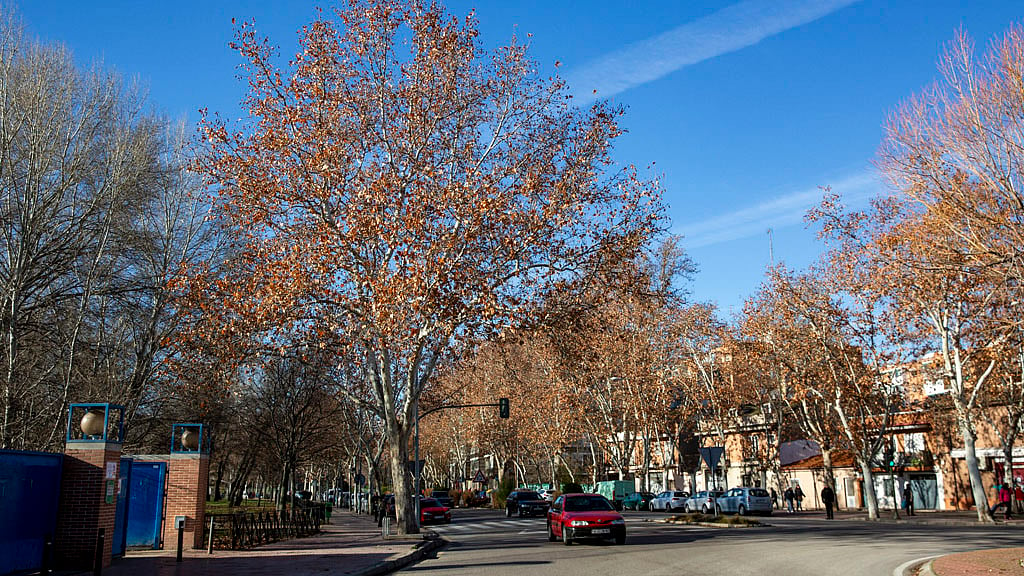
After spending so much time among the imposing historic buildings, we decided to take a break in one of the city's lovely green spaces, Parque Cementerio. The area was once used as a military horse-breeding centre, or stud farm, from which its name is believed to have originated. Today, it is one of Alcala's most beautiful and peaceful parks.
Many of the trees had shed their leaves in the winter cold, leaving the landscape rather bare. Nevertheless, the peaceful surroundings, long rows of trees and spacious walking paths made it a wonderfully relaxing place. Amid the ancient stone buildings of the city, this refreshing patch of greenery brought a deep sense of tranquillity.
Leaving the peaceful park behind, we entered a lively holiday market in the city. Locals call it the mercadillo. Spread out in the open air, the enormous market was a colourful spectacle. Stalls displayed Spain's famous fresh oranges, olives and a wide variety of fruits. Alongside these were colourful winter clothing, leather goods and a wonderful selection of handicrafts. The lively bustle of the market was a striking contrast to the quiet streets of the historic town. It offered us a wonderful opportunity to experience the rhythm of everyday Spanish life at close quarters.
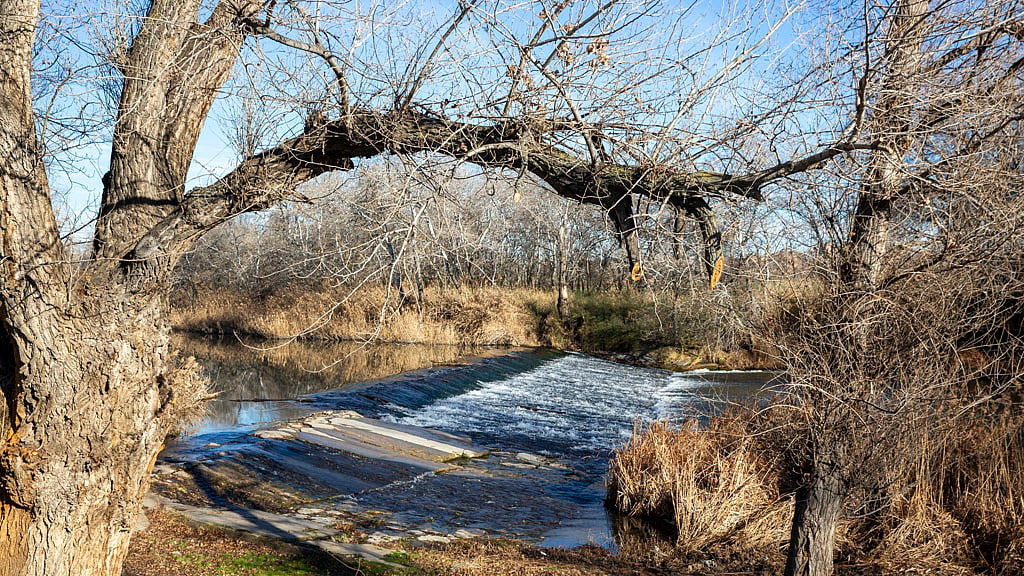
Pushing our way through the crowds at the market, we eventually reached the outskirts of the city. There, a clear stream of water flowed peacefully. This stretch of the local river, Río Henares, could easily be mistaken for a quiet canal. Bare winter trees lined both banks, while the water flowed like a mirror through the middle. We saw swans and several flocks of migratory birds, whose names I did not know, swimming peacefully in the water.
Amid the ancient brick and stone buildings of the town, this serene stretch of water offered a refreshing encounter with nature. It filled my mind with an extraordinary sense of peace.
As the sun began to set in the late afternoon, the stone streets of Alcala and the calm river water were bathed in a golden glow. Much like the imaginary world of Don Quixote, the town itself seemed forever suspended in a magical blend of reality and dreams.
By the time we had finished exploring Alcala, it was nearly 10pm. A gentle silence had descended over the town. We eventually arrived at Shimul Bhai's restaurant, Ali Baba Kebab, located at Plaza de Cervantes. He warmly encouraged me to try the famous Turkish döner kebab. Under normal circumstances, I would probably have accepted without hesitation. But this time, I politely declined.
The aroma of the kebab no longer tempted me. My heart was already back at that cosy apartment, where the culinary magic of Nasima Bhabi and the unforgettable flavours of home were waiting!