


Published : 05 May 2019, 11:39 AM
Updated : 08 Apr 2022, 02:09 PM


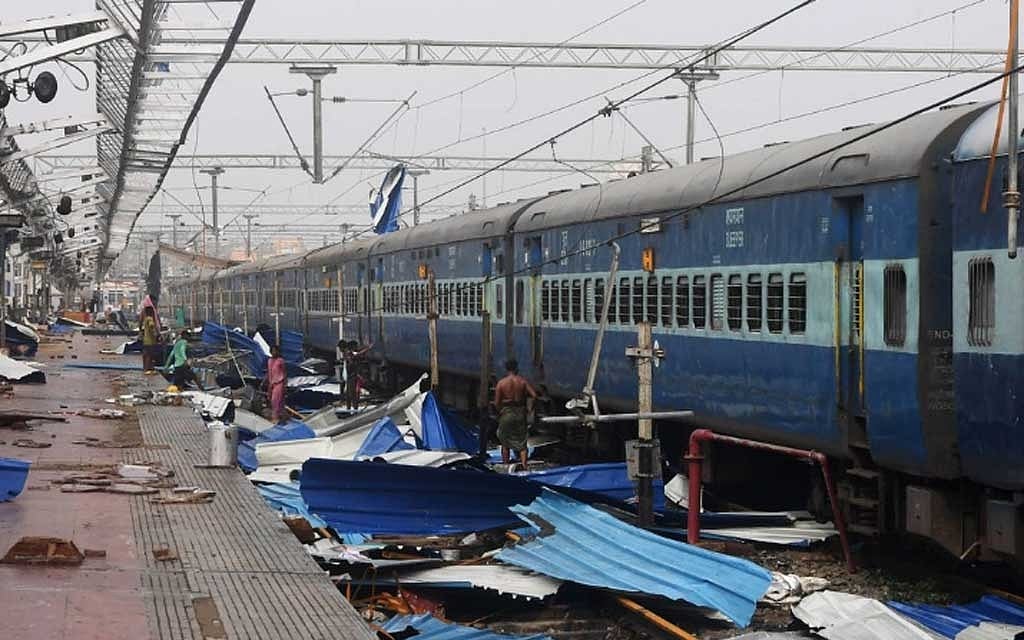
Electricity poles made of cement and steel lay scattered on the ground, along with roofing tiles, pieces of billboard and crumpled iron sheeting. The walls of many buildings had collapsed, leaving countless people homeless.
But on Saturday as residents of this seaside town emerged from shelters to assess the property damage unleashed by Cyclone Fani, there was a sense of relief. The storm, one of the biggest in years, had slammed into India’s eastern coast on Friday, roaring through towns with winds of 120 mph.
Yet so many precious lives had been spared. There were less than 20 reported fatalities compared with thousands killed 20 years ago, when a similar cyclone swept over the same area.
That is because authorities here had whisked more than 1 million people to safety, executing a meticulous evacuation plan that they have been perfecting ever since that disastrous storm in 1999.
As the skies cleared on Saturday, there was a widespread feeling that this could have been so much deadlier.
“It seems the worst is over,” said Bishnupada Sethi, the state’s special relief commissioner.
Over the past few days, as the cyclone barreled up the Bay of Bengal toward India, the Odisha authorities helped move people to higher ground and into cyclone shelters. In neighboring Bangladesh, which was being lashed by the weakened storm on Saturday, another million people were similarly taken out of harm’s way.
Indian officials transmitted millions of text messages, broadcast warnings over public address systems and sent fleets of buses to scoop up vulnerable people, bringing them to hundreds of sturdy cyclone shelters that had been stocked with water and food.
By the time Fani hit Friday morning, knocking down trees and obliterating shack houses, just about everybody was safe. Authorities said the relatively few fatalities were people who had not heeded their warnings.
Many people remained in the shelters, fearful of floods and other hazards like downed electrical wires.
The cyclone’s storm surge, which pushed waves deep inland, swamped entire villages. Odisha is one of India’s poorest states, home to around 46 million people. Mohanty predicted it would take months for people to rebuild their homes.
©2019 New York Times News Service












