


Published : 23 Feb 2016, 10:19 AM
Updated : 19 Oct 2022, 05:08 PM


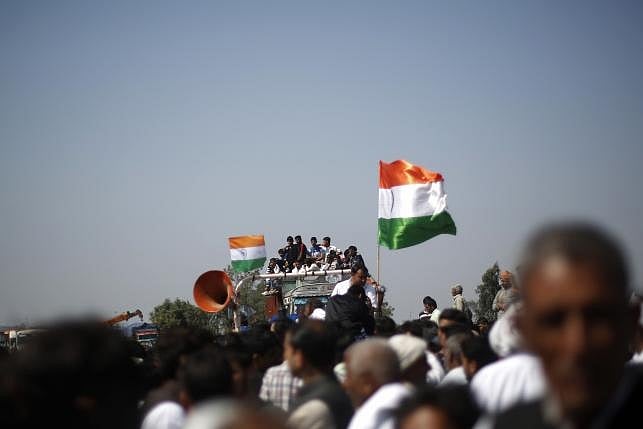
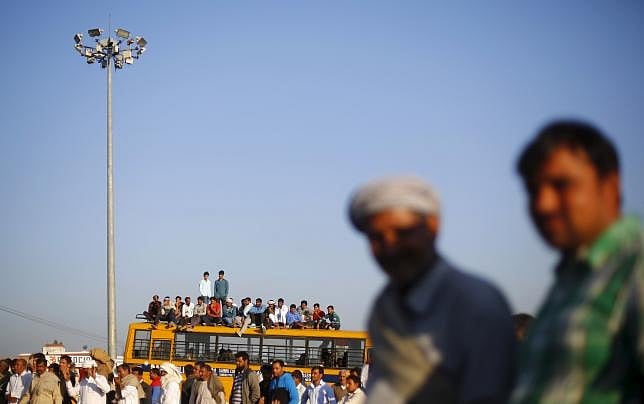
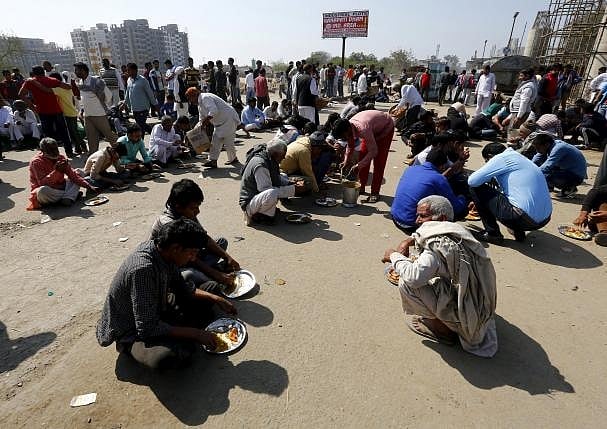
Days of rioting and looting across Haryana by the Jat community had challenged Prime Minister Narendra Modi's promise of better days for Indians who elected him in 2014 with the largest majority in three decades.
A Jat leader said protesters had reached a deal with state and central government leaders to end their mobilisation, in which 16 people have been killed and more than 150 injured.
"The government has promised to meet our demands and we have promised our full cooperation," Ramesh Dalal, convener of the Jat Arakshan Andolan (Jat Reservation Movement), told Reuters.
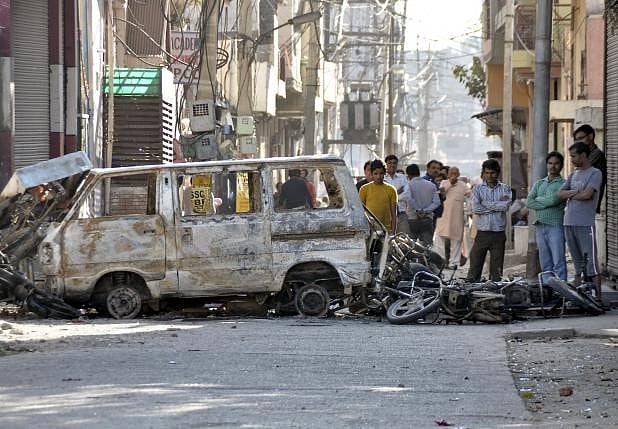
Thousands of troops were deployed to quell the protests, which had flared again on Monday near Sonipat when a freight train was torched. In neighbouring Rajasthan, Jats attacked and burned buses.
Disruption has been huge, with 850 trains cancelled, 500 factories closed and business losses estimated at as much as $5 billion by one regional lobby group.
Dalal said he had appealed to the entire Jat community, which makes up a quarter of the population of Haryana, to return home. A senior officer said state police still faced a challenge to maintain law and order.
Demonstrators had blocked the Delhi-Haryana national highway.
Order slowly returns
The Haryana government put the death toll at 16 while police said earlier that there were tensions in some towns as Jats tried to prevent other communities from reopening their shops.
In Bahadurgarh, to the west of Delhi, Jat protesters turned out in force during the day to express their anger against Modi and demand written assurances of more jobs for their community.
Many Jats, who number more than 80 million across north India, are farmers whose livelihoods have suffered as families divide farms among their children. Two years of drought have harmed crops, and they are also missing out on urban jobs.
Their demands for government jobs and student places are based on affirmative action policies that are typically reserved for deprived groups.
Ramcharan Dekhara, a 52-year-old father of four, has sold his land to pay for his daughter's marriage and now runs a tea shop near National Highway 10.
"I am fighting for my sons' future. The boys are sitting at home and there is nothing they can do at the tea shop," Dekhara told Reuters. "They studied hard to make a new life but now they are wasting time and watching TV all day."
Vehilces were set alight by protesters.
"There is a constitutional barrier in giving Jats OBC status but we will find a way to fulfil their demands," junior agriculture minister Sanjeev Balyan told Reuters.
The Jats predominantly voted for Modi's Bharatiya Janata Party (BJP) in the 2014 general election, when he won the biggest parliamentary majority in three decades. Months later the BJP won an outright majority in Haryana for the first time.
Although many of the state's chief ministers have been Jats, the current minister is not. Commentators have faulted him and other BJP leaders for failing to read the social mood and devoting too much attention to issues like cow protection that are a core part of the party's pro-Hindu agenda.
In a familiar pattern, Modi completely ignored the protests, instead launching a broadside on Sunday against unnamed conspirators he accused of trying to undermine his government.
"They are now hatching conspiracies every day to finish and defame me," he told farmers in a speech in Odisha.












